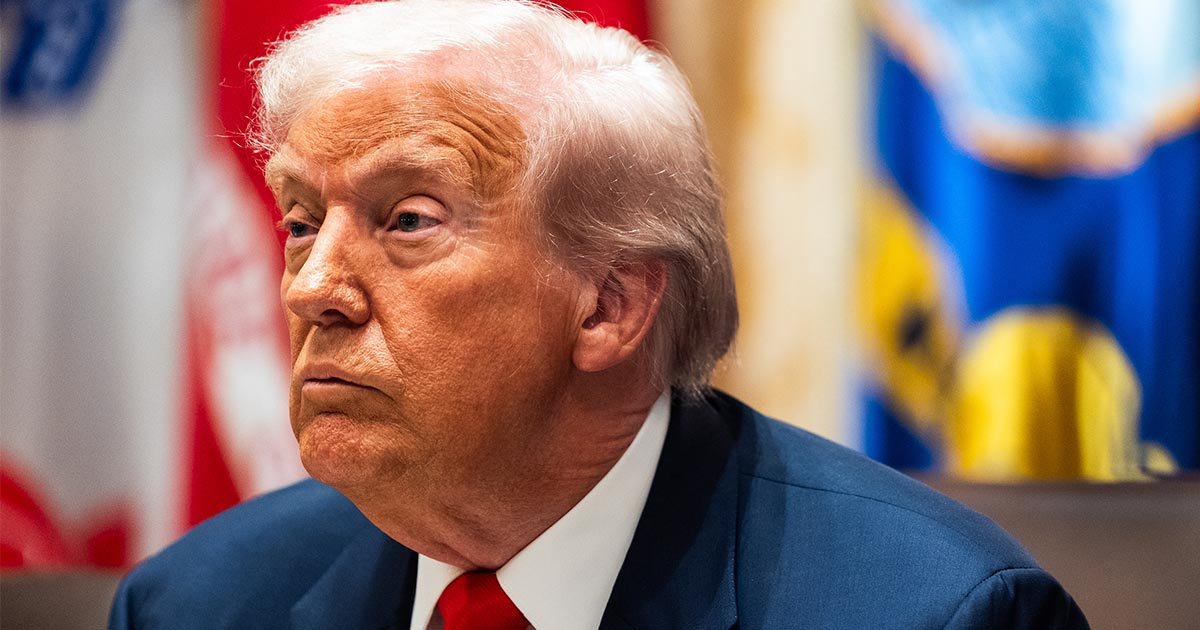
In the world of politics, a candidate’s health can become a key battlefield, and for Donald Trump, this has meant facing a wave of speculation about his physical and mental state. Critics have pointed to his swollen ankles and bruises as evidence of declining health, while some have aggressively claimed he is suffering from dementia. These assertions are now being challenged by an unlikely source, who offers a medical theory that contradicts both the critics and the official doctors.
The new perspective comes from Dr. Aseem Malhotra, a cardiologist known for his unorthodox views and his role as an adviser to a health group supporting RFK Jr. Dr. Malhotra has looked at the same reports of Trump’s fatigue and swelling and arrived at a different conclusion. He publicly dismisses the idea of dementia, suggesting instead that the symptoms could be side effects from the president’s use of common heart medications, namely statins and aspirin.
This theory emerges alongside the official account from Trump’s medical team. After a thorough evaluation, physician Dr. Sean Barbabella attributed the ankle swelling to chronic venous insufficiency, a benign condition often seen in older adults. The medical unit’s report was clear that tests revealed no underlying serious illness, no heart failure, and no signs of cognitive impairment, effectively countering the most alarming claims with clinical data.
Dr. Malhotra, however, pushes a more aggressive approach. He argues that for a patient like Trump—who he calls “almost superhuman” and believes has no significant vascular disease—the risks of taking aspirin and statins outweigh the benefits. He claims these pills are likely causing fatigue and could lead to other complications, and that stopping them would actually improve the former president’s health and longevity.
This recommendation is highly controversial and runs counter to the advice of virtually every major medical body, which stresses that medication decisions must be made personally with a doctor. Malhotra’s own record of being denounced by professional organizations casts a long shadow over his claims. His entry into the Trump health debate provides a fresh talking point, but it also demonstrates how complex medical information can be simplified and weaponized in a political context.