A chilling new study suggests that up to 30% of people in the U.S. might have a parasite hiding in their brains, and most don’t even know it. Researchers from the University of California, Riverside, say Toxoplasma gondii, or T. gondii, could be affecting over 100 million Americans, quietly messing with their brain function (Getty Stock Photo). This tiny invader is making waves online for its sneaky and scary impact.
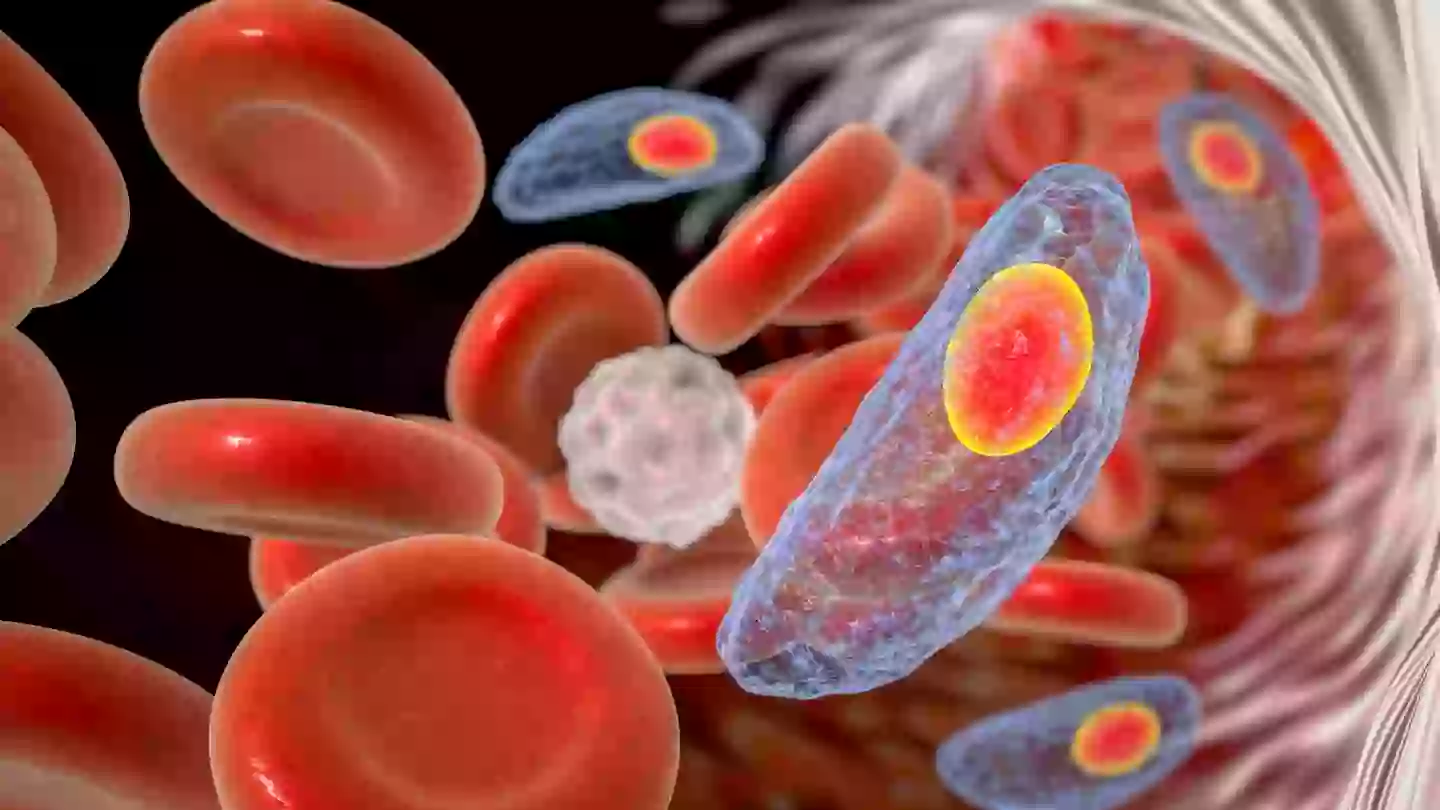
T. gondii can slip into your body through undercooked meat or contact with cat feces. A study in PLoS Pathogens reveals it infects brain neurons, disrupting tiny messengers called extracellular vesicles that help cells communicate. This can throw off the brain’s chemistry, raising levels of a chemical called glutamate, which can trigger seizures or other neurological problems (Getty Stock Photo). The worst part? The parasite can stay silent for years before causing trouble.

Emma Wilson, the study’s lead, says even a few infected cells can upset the brain’s balance, hinting that T. gondii might be linked to more brain issues than we thought. Her team used mice and human cells to uncover how the parasite works, suggesting our brains might have defenses to spot infected cells. Wilson hopes this could lead to new treatments or vaccines to stop the bug in its tracks.
Tests can only show if you’ve been exposed to T. gondii, not if it’s still active, but most people never feel sick, so there’s no need to panic about others. Pregnant women should be extra cautious, as the parasite can harm babies if caught during pregnancy. To stay safe, cook meat well, wash veggies thoroughly, and scrub your hands after handling cat litter, especially from young cats (Getty Stock Photo).
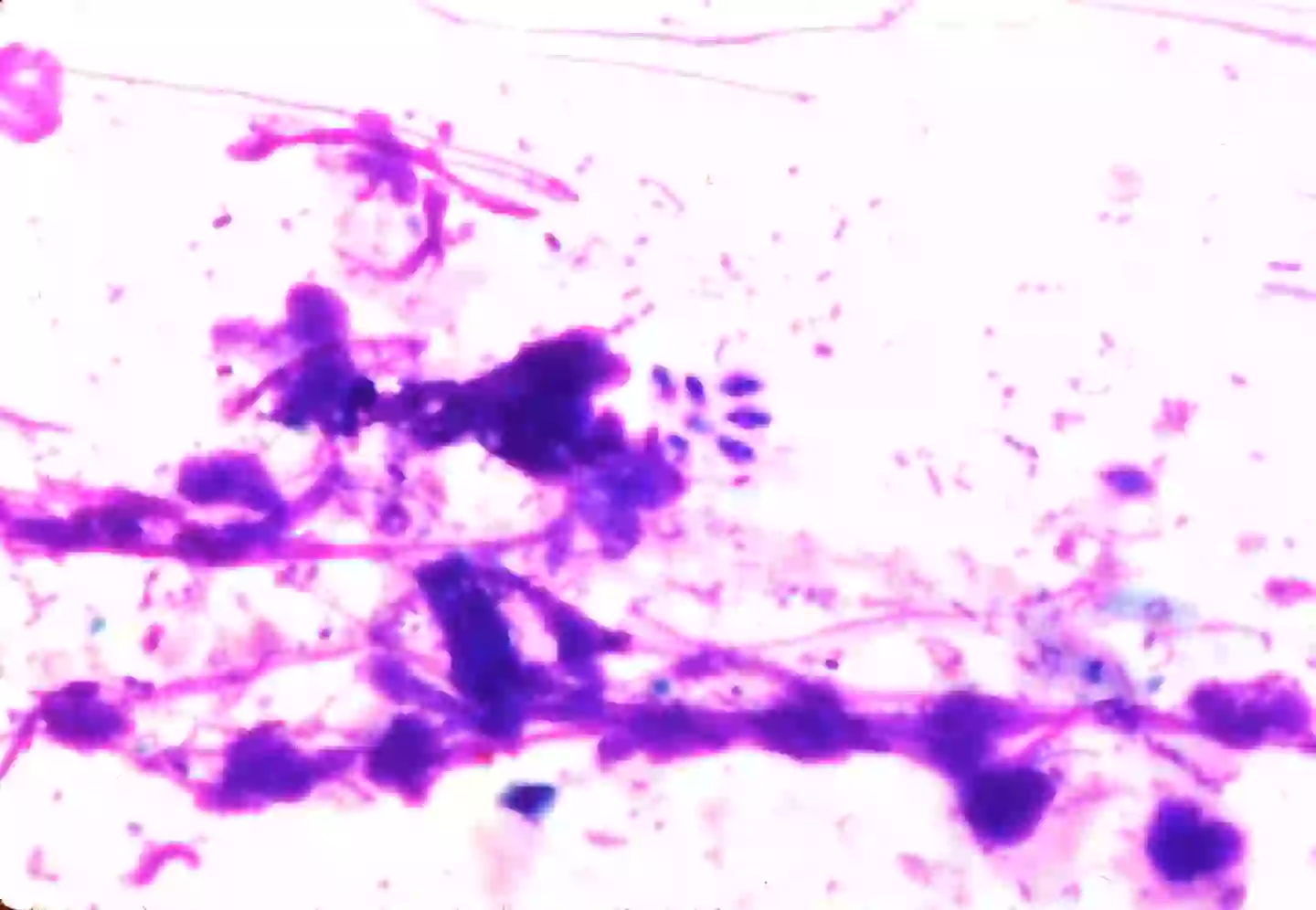
This creepy discovery has gone viral, showing how a tiny parasite can pose a big threat. It’s a reminder to stay mindful of simple habits that keep us safe and a fascinating glimpse into how science is tackling hidden dangers to keep our brains healthy.