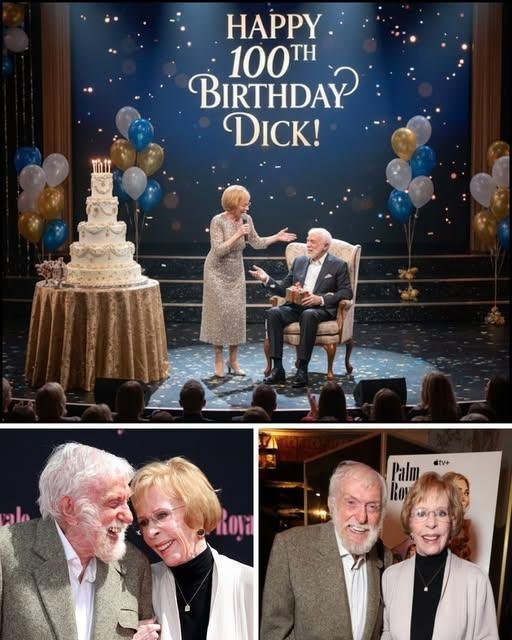
In an age of fleeting digital fame, the enduring light of true Hollywood legends burns ever brighter. The recent 100th birthday celebration for Dick Van Dyke offered a rare and precious glimpse into a golden era of entertainment, embodied by the timeless bond between Van Dyke and his surprise orchestrator, Carol Burnett. For those who grew up with their shows beaming into living rooms, the night was a powerful dose of nostalgia, proving that some stars never fade—they just learn new ways to sparkle.
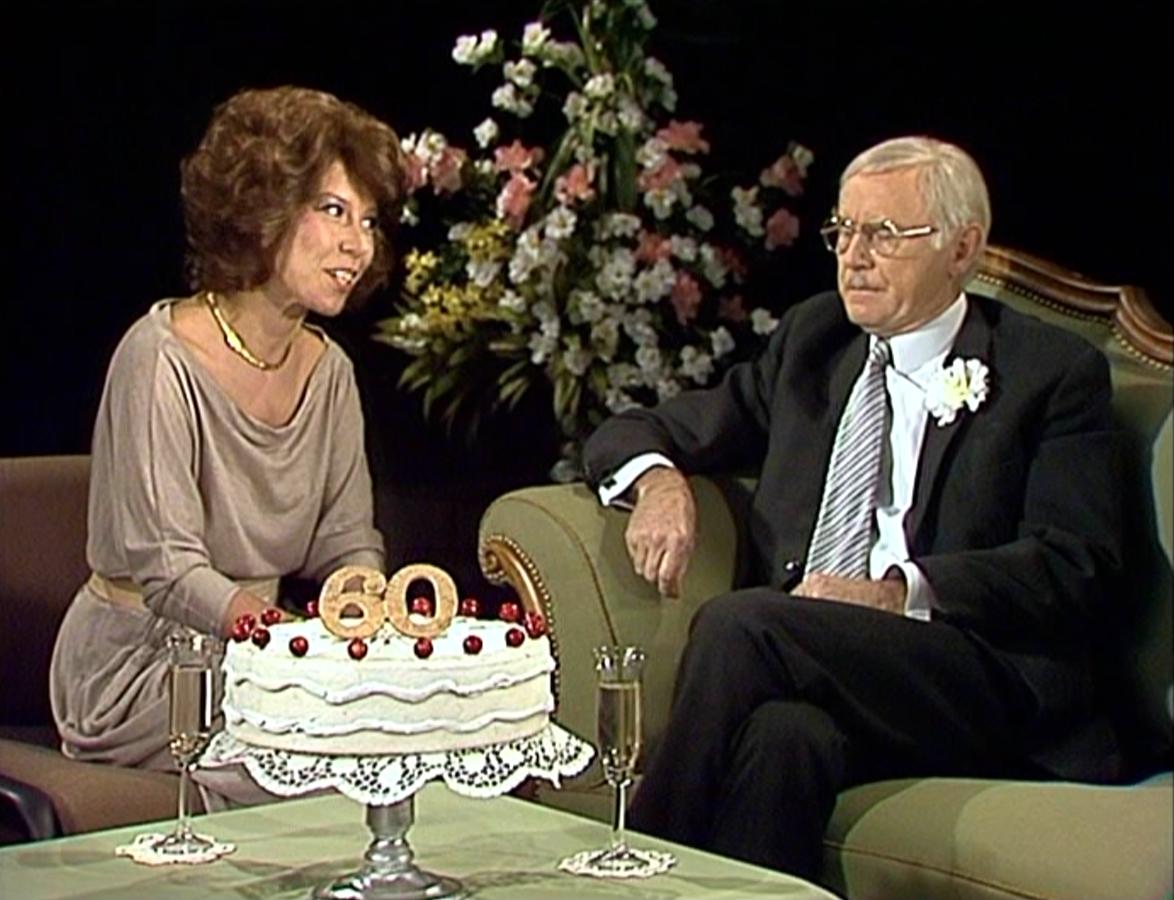
The evening promised a walk down memory lane, revisiting clips of Dick’s rubber-limbed choreography as Bert the chimney sweep or his deft sitcom timing. But Carol Burnett, ever the revolutionary of television comedy, had a different history lesson in mind. She chose to honor their shared past not with a clip reel, but by re-creating its spirit live on stage. Her entrance, feigning frailty with a cane before snapping into conspiratorial glee, was a classic Burnett character bit, a direct line back to the groundbreaking sketches of her own variety show.
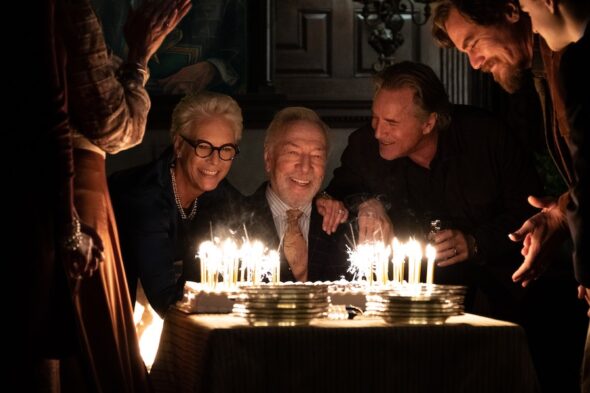
The chaos that ensued—the giant cake, the waving candles, the palpable fear of a frosting-based disaster—felt like a lost scene from a legendary variety special. It was physical comedy at its finest, a genre both stars helped define. In their spontaneous reactions, you could see the same effortless craft that made “The Dick Van Dyke Show” a study in sophisticated slapstick and “The Carol Burnett Show” a temple of anarchic glee. This wasn’t merely a tribute; it was a living, breathing exhibit of comedic history.
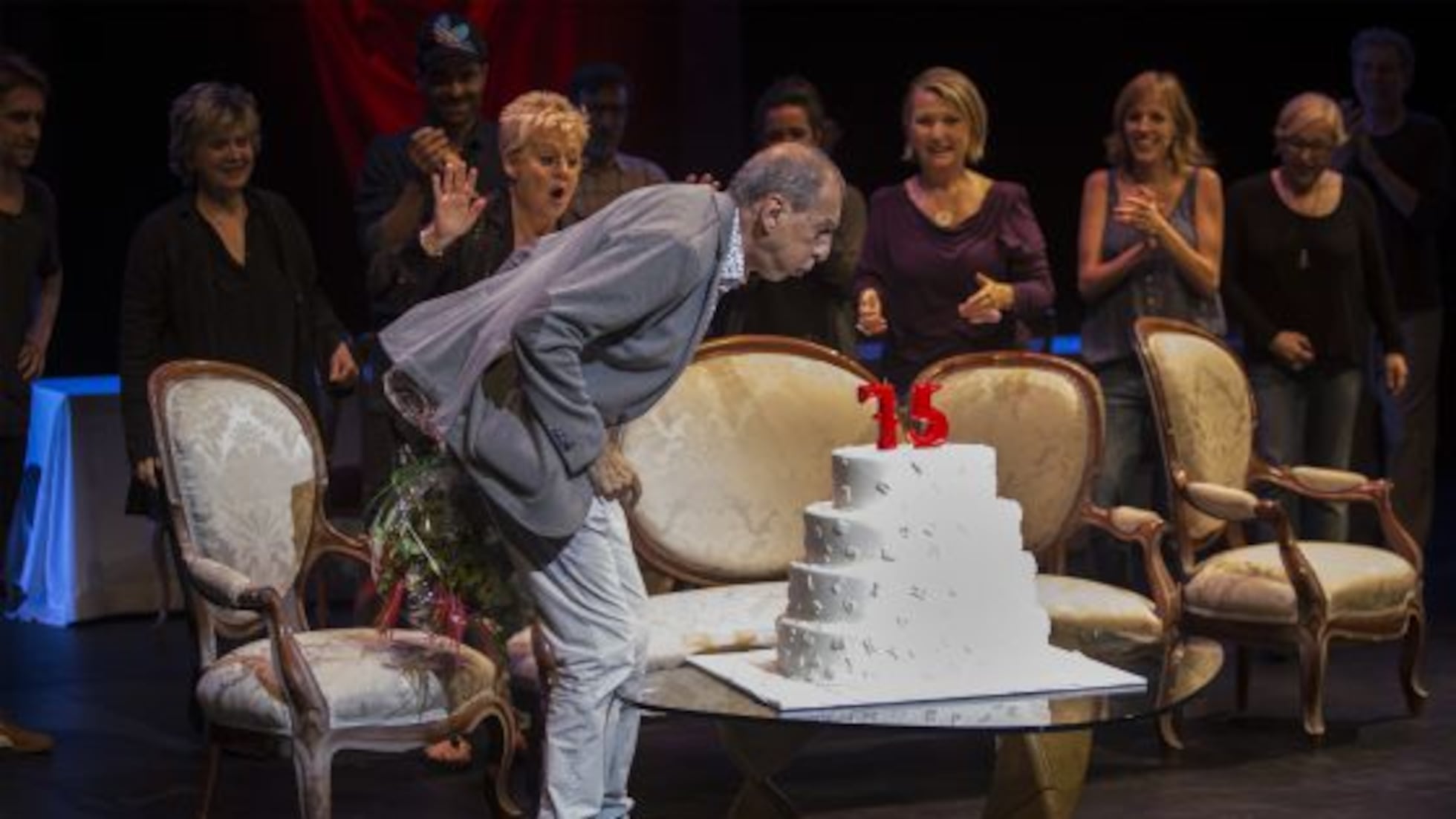
Beyond the laughs, the profound affection between them spoke volumes about a different Hollywood. Theirs is a friendship nurtured over decades, built on mutual respect in an industry not always known for lasting bonds. The way Dick looked at Carol—with utter delight and complete trust—said more about his life than any award listing ever could. It was a portrait of a man cherished not just by fans, but by a peer who is equally a pillar of the craft.
Ultimately, the celebration transcended a single birthday. It became a tribute to the enduring power of a particular kind of joy—one that is generous, intelligent, and physically expressive. For an audience longing for that classic, feel-good connection, Dick Van Dyke and Carol Burnett delivered once more. They reminded us that the legacy of classic Hollywood isn’t locked in black-and-white film; it’s alive, laughing, and still capable of pulling off the perfect, chaotic surprise.