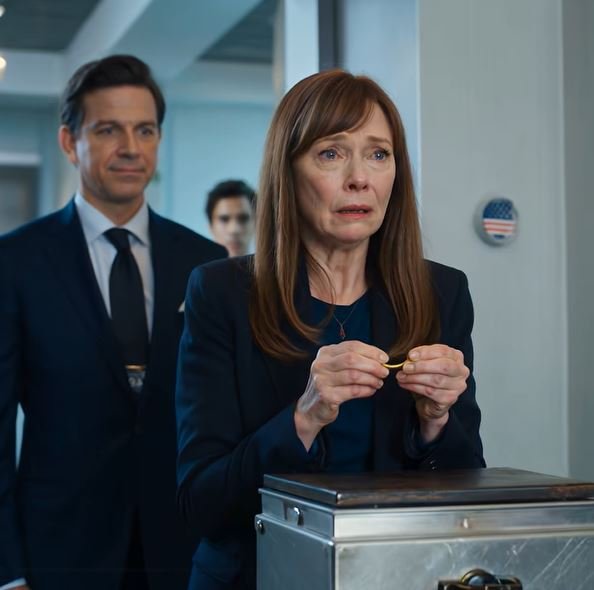
A weekly habit can be a comforting thread in the tapestry of a long marriage. For my husband, that thread was his Tuesday afternoon trip to the bank, a thirty-eight-year tradition he said was for our financial peace of mind. I never doubted him. His sudden death left me numb, but also with an unsettling sense of relief I couldn’t explain—until a bank notice arrived about a safe deposit box I never knew existed. That small metal door held the key to understanding the real man I had married and the invisible prison he had built around our lives.
With my son growing concerned over confusing financial records, I knew the box held answers. Inside, I discovered a meticulously organized chronicle of disaster. There were records of reckless investments that had evaporated our savings, paperwork for three secret loans leveraging our family home, and the most personal violation of all: credit card statements for accounts I never opened, all maxed out under my stolen identity. A final letter from him confessed to a spiral of shame and cover-ups, a desperate attempt to hide his failures that ultimately sacrificed my security and our family’s legacy.
The revelation was a earthquake that reshaped my entire landscape. The loving father and reliable provider was also a stranger capable of profound deceit. While my son, David, became my ally in the legal fight ahead, my daughter, Emily, saw my pursuit of the truth as an attack on her father’s memory. It was a painful divide, proving that the fallout from such betrayal fractures more than just finances. With an expert lawyer, we embarked on the slow process of untangling his fraud, proving my lack of complicity to creditors and a judge to save our home from the debt he incurred.
This journey of reclamation led me to a simple job at a bookstore, which became an unexpected sanctuary. There, I connected with other women who had experienced similar versions of hidden financial control. We shared stories in the back room, transforming our isolation into a community of strength. By speaking openly about the lies disguised as protection, I found a new voice and a mission. Helping others navigate their own discoveries became a powerful part of my healing, turning my pain into a lighthouse for those still lost in the fog.
Today, I am rebuilding on my own terms. The court victories restored my legal and financial standing, but the greater victory was internal. I reclaimed my agency and my name, literally and figuratively. The relief I felt when my husband died was not a lack of love, but my soul recognizing the end of a long confinement. His Tuesdays were about maintaining a lie; my days now are about living in truth. The story is no longer about what he took, but about what I, and women like me, are building in its place: a future of visibility, autonomy, and unshakable resilience.