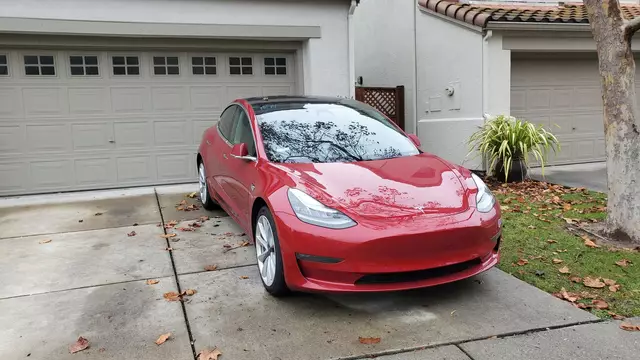
As electric vehicles continue to gain popularity, a common question persists: won’t charging one make your electricity bill skyrocket? One Tesla owner has delivered a stunning rebuttal to this concern, sharing a story that seems almost too good to be true. For an entire year, he managed to power his home and his car while barely paying a cent to the electric company, and when he finally did get a bill, its shockingly low total captivated audiences around the world.
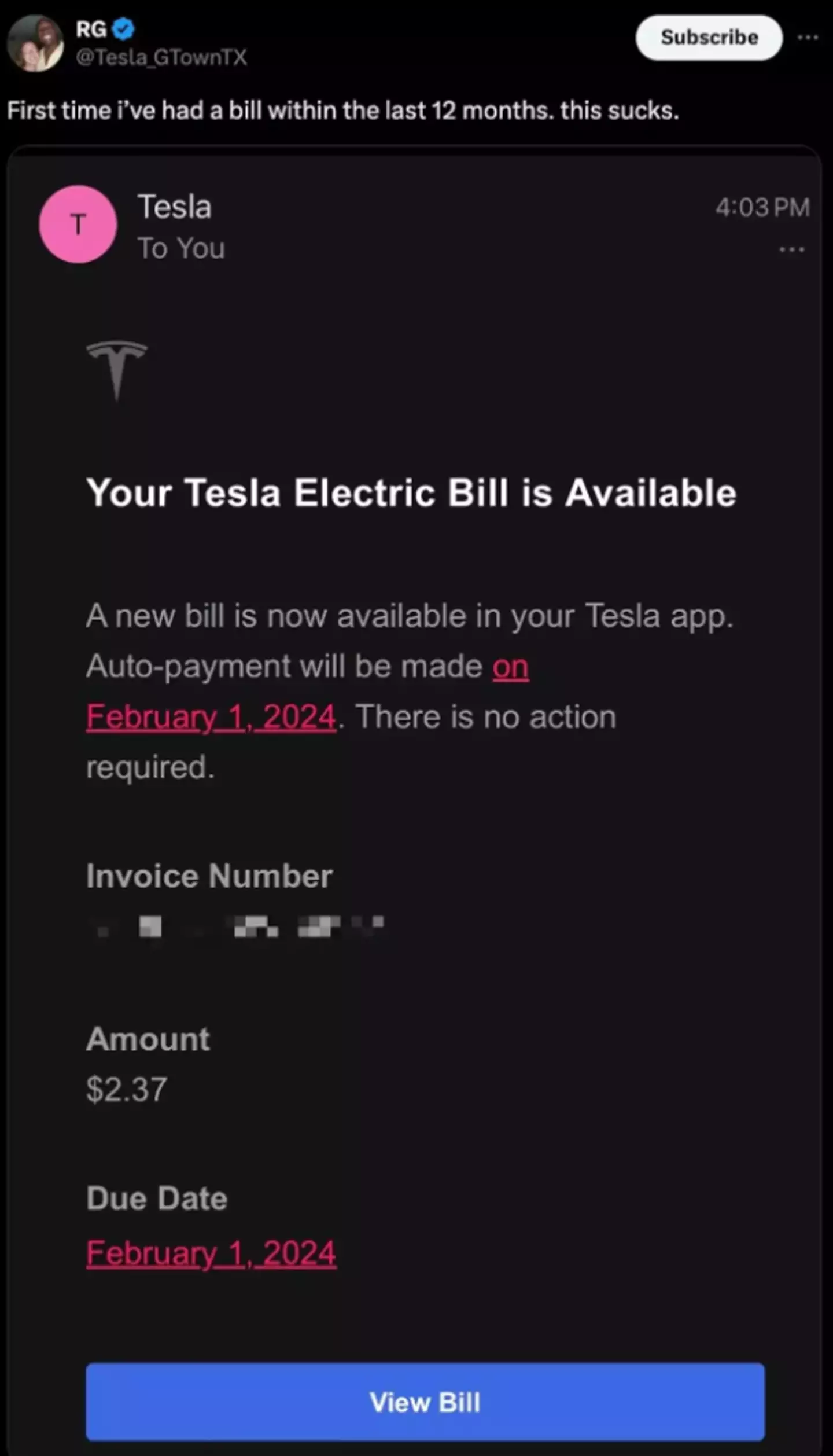
The evidence was posted on social media by the user @Tesla_GTownTX. He presented a screenshot of his utility bill, which displayed a grand total of $2.37 owed. In his post, he humorously lamented this charge, noting it was the first bill he had received in twelve months. The reaction from the online community was a mix of awe and skepticism, with many struggling to believe that such a low cost was possible for a household that includes an energy-intensive electric vehicle. The post quickly spread, becoming a focal point for discussions about energy efficiency and renewable technology.
The key to this incredibly low expense is a complete home energy ecosystem. The homeowner is not just a driver of a Tesla car; he is also a user of Tesla’s home energy products. By installing solar panels on his property, he generates his own electricity during the day. This power is either used immediately or stored in a Tesla Powerwall battery for use at night or during overcast conditions. This system effectively severs his reliance on the public utility for his daily energy needs, allowing him to charge his car and run his home on self-produced, solar-generated electricity.
However, this level of independence comes with a notable price tag. Achieving such a low bill required a major upfront investment in solar panel installation and the purchase of at least one Powerwall battery. Current estimates place the cost of a single Powerwall at over $11,000, and a full solar array represents a significant additional cost. This financial dynamic highlights an important reality: the freedom from monthly bills is purchased through a long-term investment in personal energy infrastructure.
The tale of the $2.37 electricity bill is more than just a viral sensation; it’s a practical demonstration of a shifting energy paradigm. It shows that for those who can afford the initial setup, the combination of solar power, battery storage, and an electric vehicle can create a synergistic system that drastically reduces or even eliminates a traditional household expense. This Tesla owner’s experience provides a compelling, tangible example of how renewable technology can redefine our relationship with energy consumption and cost.