Following her split from Ben Affleck, Jennifer Lopez has been in a reflective mood, discussing the lessons learned from her series of high-profile relationships. In a recent and widely discussed appearance on The Howard Stern Show, the artist opened up about the loneliness that can accompany fame and her lifelong desire for a true partner to share both the glamorous and the ordinary moments of life. The conversation took a more controversial turn when she was asked to look back on whether she had ever experienced genuine, unconditional love from a partner.
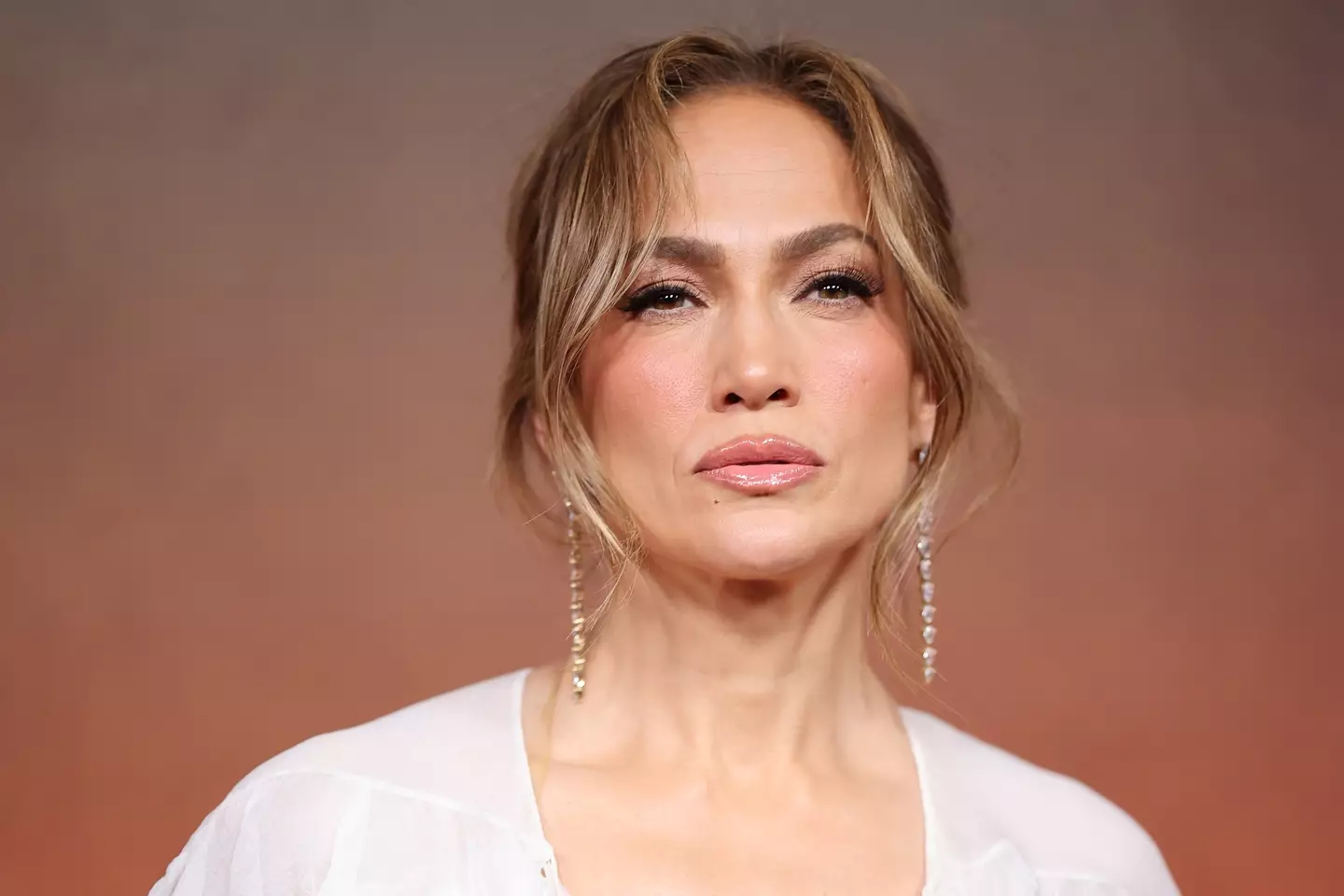
Lopez’s answer was a definitive no. She explained that she now believes the men in her past were not capable of loving her in the way she needed, emphasizing that it was a matter of their capacity, not her value. She generously added that she believes they did offer her everything they were able to give, and she took responsibility for her own part, confessing that she also failed to love herself during those chapters of her life. This perspective, while framed as a moment of self-realization, was immediately challenged by a voice from her past.
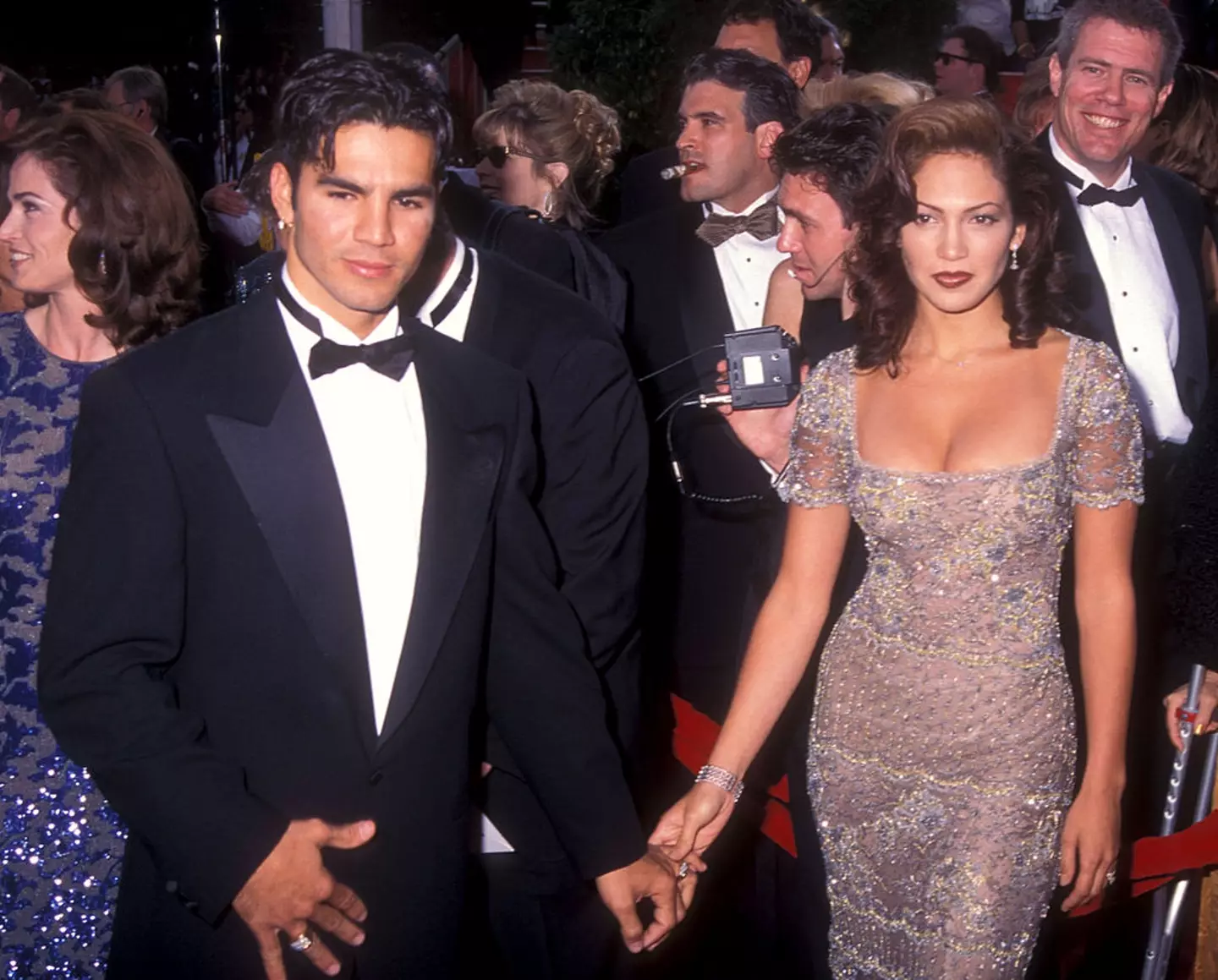
Ojani Noa, Lopez’s first husband, responded with a vehement social media post that rejected her characterization entirely. He accused her of distorting the truth to paint herself as a victim and squarely placed the blame for their failed marriage on her shoulders. He pointedly remarked that the common denominator in her four failed marriages is her, not the men she claims were incapable. He insisted that he, for one, provided a loving and stable relationship, making her comments a personal affront.
View this post on Instagram
In his detailed rebuttal, Noa portrayed himself as the ideal partner who was wronged. He claimed he was entirely faithful, honest, and supportive, even going so far as to abandon his own life to help manage her early career. He alleges that his dedication was met with infidelity and a choice to prioritize fame over their marriage. His message was filled with indignation, ending with a demand that she own up to being the “problem” and feel ashamed of her public narrative. This very public disagreement underscores the lasting resentments that can follow a breakup and the complications that arise when private histories become public property.