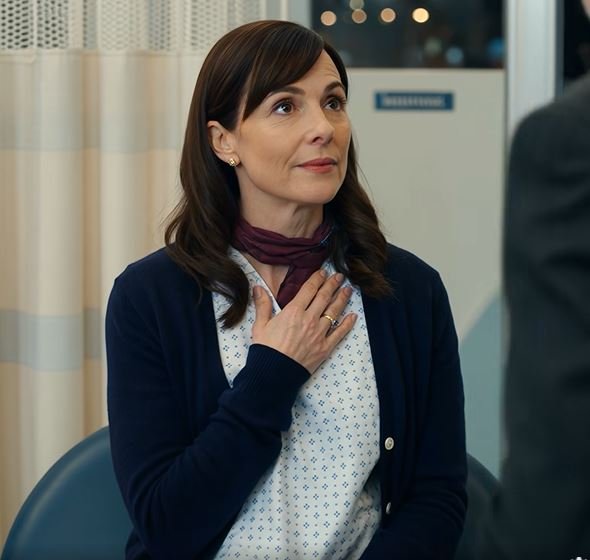
Imagine this: crushing chest pain in the dead of night. You call your adult children for help. They tell you to call a rideshare; they have work in the morning. This was my reality during a major heart attack. That lonely Uber ride was the start of a journey that didn’t just heal my heart, but transformed my entire definition of family.
As a former nurse, I knew the medical stakes. But the emotional diagnosis was more complex. For years, I’d been the strong, independent single mom. I never wanted to be a burden. Unintentionally, I’d trained my successful, busy children that I was always fine, that my needs were never urgent. My self-reliance had built a wall, and in my moment of greatest need, I found myself on the wrong side of it.
The shocking twist? The cardiologist who saved my life was my lost love, the father my children had never met. While they slept, the man who’d missed their entire lives was fighting to preserve mine. This incredible coincidence became our catalyst. There was no gentle way forward, only raw truth. In the hospital, we had the painful conversations we’d avoided for decades.
This is where our real recovery began. We moved past blame and into understanding. For my children, it was realizing that professional success is a hollow victory if you lose your humanity along the way. For Colin and me, it was untangling a past full of family interference and missed chances. And for me, it was learning to be vulnerable, to accept help, and to articulate my needs without apology.
Our healing was practical, not just philosophical. We established new rhythms. My children integrated regular, meaningful contact into their lives—visits that were about connection, not duty. Colin and I dated again, slowly, discovering the people we’d become. We bought a house with a big kitchen, intentionally designed for gatherings. We hosted holidays where everyone cooked, creating new memories to layer over the old, painful ones.
The wellness lesson here extends far beyond cardiac care. It’s about the health of our relationships. Chronic emotional neglect and stress are silent risk factors. My story is a plea for preventative care in our families: to invest in presence before a crisis forces it upon you. Don’t wait for a midnight wake-up call to audit the health of your connections. Ask yourself: Are you building bonds of obligation or threads of genuine joy? Are you teaching people you don’t need them, or showing them how to love you?
True wellness is holistic. It’s a supported heart, in every sense of the word. My family learned to choose each other, day after day, in small, consistent ways. That practice has been the most powerful medicine of all.