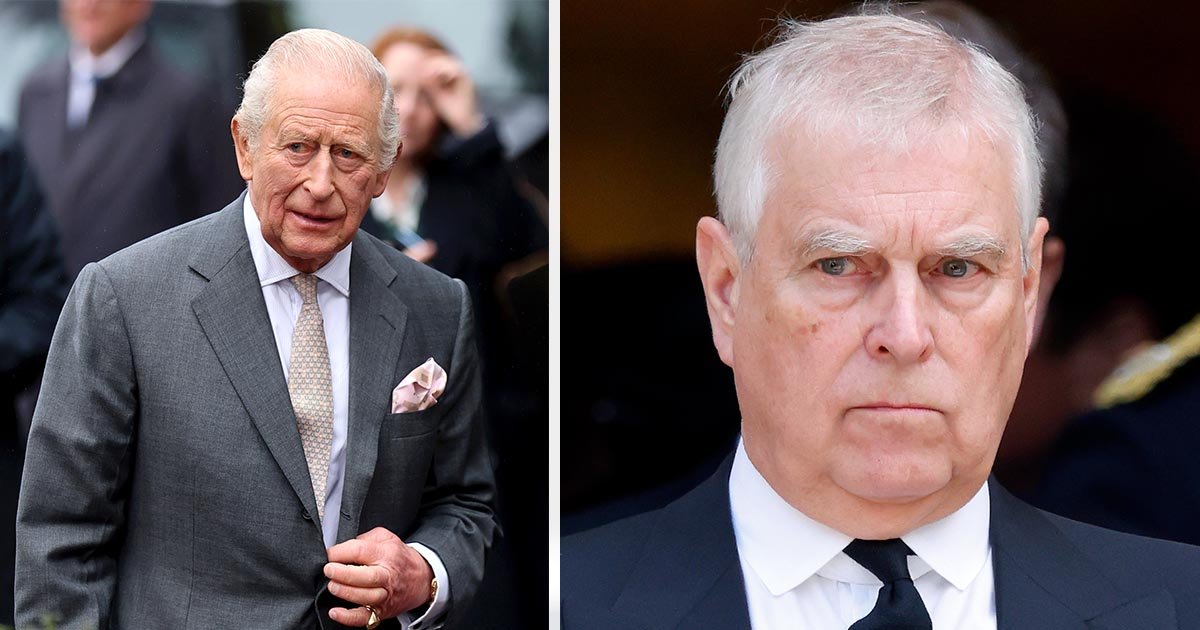
A new chapter of royal accountability has begun under King Charles III, defined by the swift and decisive action taken against his brother, Prince Andrew. The Duke of York’s announcement that he would relinquish his royal titles and military honors was the culmination of years of escalating pressure, but the final push came from a direct command from the King. This move illustrates a monarch intent on modernizing the monarchy by cutting away elements that jeopardize its fragile public trust.
The catalyst for this royal rupture was a newly surfaced email that placed Prince Andrew in contact with Jeffrey Epstein long after he claimed their association had ended. This contradiction made the Prince’s position untenable, creating a firestorm of negative publicity that threatened to consume the Royal Family’s agenda. For King Charles, who has long sought to create a more streamlined and relevant monarchy, this was an unacceptable obstacle to his vision for the Crown.
Insiders reveal that the King did not merely suggest a course of action; he delivered a stern warning. He informed Andrew that the situation had become “intolerable” and that voluntary resignation was his only dignified option. The alternative, Charles made clear, was a forced removal orchestrated by the Palace, a process that would involve the machinery of government and create an even more public and damaging spectacle. The bluntness of this warning reportedly left Andrew stunned.
In his subsequent statement, Prince Andrew framed his decision as a choice to avoid being a “distraction” to his family’s work, a narrative carefully crafted to suggest a unified front. However, the swiftness of the announcement following the King’s intervention tells a different story. It is the story of a sovereign putting the institution’s welfare above his personal relationship with his brother, a difficult but calculated decision for the long-term stability of the monarchy.
Royal commentators have described this as an inevitable and necessary purge. They argue that Andrew was effectively forced out to prevent the monarchy from being permanently tarnished by his associations. King Charles’s actions demonstrate a clear break from the past, showing that he is willing to make tough, unpopular decisions within his own family to protect the crown. This was not just about managing a scandal; it was about reasserting control and defining the boundaries of acceptable conduct for a modern royal.