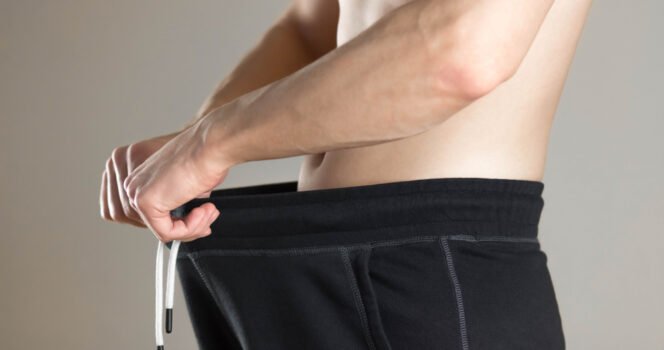
Human behavior is full of subtle, often unconscious rituals that serve our emotional needs. One such common yet rarely discussed behavior is the tendency of some men to place a hand down their pants while at ease. While it may be dismissed as a crude habit, a closer look reveals a fascinating psychological landscape where this act functions as a tool for self-regulation, comfort, and identity affirmation.
At its core, this behavior is frequently a form of self-soothing. Psychotherapists categorize it as a subconscious displacement activity, similar to nail-biting or hair-twirling. The gentle contact provides a tactile stimulus that can be remarkably calming. This is supported by biology; the action can prompt the release of oxytocin, a neurohormone that counteracts stress and fosters feelings of tranquility. In stressful or unfamiliar situations, this self-touch becomes a private, instantly accessible mechanism for emotional regulation.
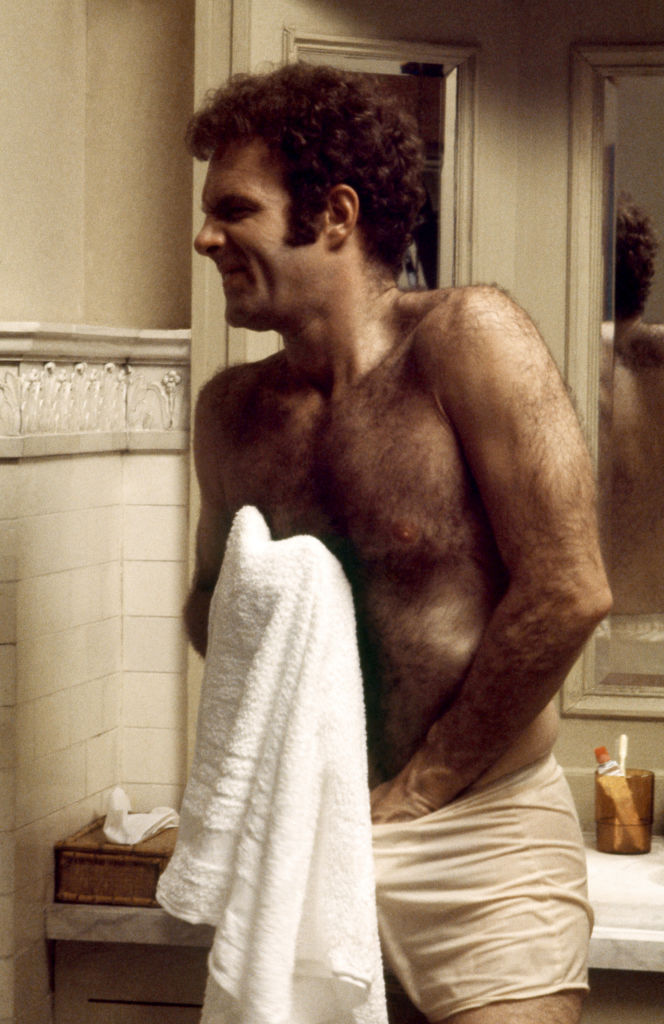
The gesture also carries a dimension of identity and self-assurance. For some men, this can be an unconscious way of “checking in” with a fundamental aspect of their physical masculinity. It serves as a reassurance of self, a non-verbal affirmation of identity and presence in a world that often pressures men to be stoic. This isn’t about overt sexuality, but rather a deep-seated, comforting connection to one’s own body and sense of manhood.
From an evolutionary psychology perspective, the action can be interpreted as a vestige of a primal protective instinct. A body language expert suggests that covering the groin area is an innate behavior to shield the body’s most vulnerable parts from potential threat, even in perfectly safe environments. This “insurance” against accidental bumps or jabs in a crowded space is a low-level, persistent defense mechanism that operates below conscious awareness.
Therefore, judging this common habit at face value misses its deeper significance. It is a multifaceted behavior woven from threads of psychological comfort, self-identity, and ingrained instinct. The next time this gesture is observed, it can be understood not as a social faux pas, but as a window into the complex and often unconscious ways we all seek to comfort, reassure, and protect ourselves in our daily lives.