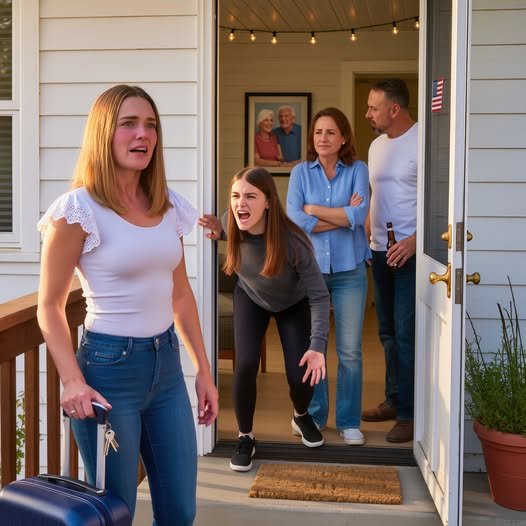
The bond between grandparents and grandchildren is often one of the purest forms of family love, built on warmth, wisdom, and unconditional support. My grandparents were my anchors, and I wanted to give them a gift that reflected my gratitude. Paying off their mortgage was my way of ensuring their peace of mind. The family dinner where I revealed it was a beautiful, unifying moment—or so I thought. That memory became tainted a year later when I discovered the devastating truth: my own parents and sister had used that secured home for their own gain, forcibly placing my grandparents in a facility and taking over their property.
This wasn’t a simple case of differing opinions on elder care; it was a calculated act of exploitation. When I confronted them, their excuses were flimsy and self-serving, citing the burden of care and my sister’s entitlement. The real shock came at the hospital, where a doctor detailed the grim reality of neglect documented in my grandparents’ medical reports. This was a profound betrayal that went beyond greed; it was a fundamental failure of moral responsibility. The very people who should have been their fiercest protectors had become their abusers.
Navigating the aftermath required immense emotional strength. The first step was securing my grandparents’ immediate safety and health. The next was the legal battle to void the fraudulent property transfer and hold my family accountable. It was a painful process that involved restraining orders, testimonies, and the cold, hard facts of the legal system. The psychological impact on my grandparents was significant—they struggled with feelings of worthlessness and shock. Rebuilding their sense of security and self-worth became just as important as reclaiming their home.
This experience highlights a painful but important issue: elder exploitation often comes from within the family. It’s a reminder that we must be vigilant advocates for our older relatives, ensuring their voices are heard and their wishes respected. Today, my grandparents are thriving back in their home, and I have learned to redefine family not by blood, but by action and integrity. While the betrayal was deep, the outcome reinforced a crucial lesson: protecting the vulnerable is a responsibility that sometimes means making difficult stands against those closest to you.