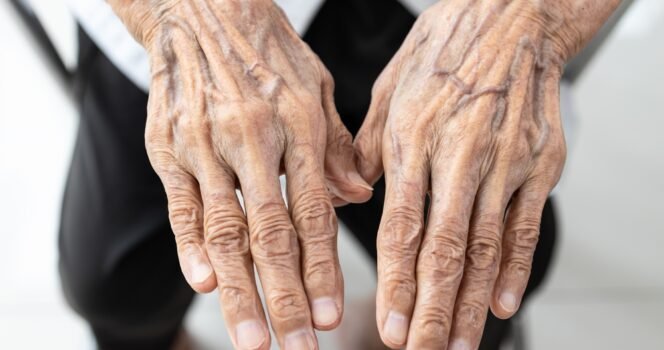
Bright blue veins visible on the back of hands might look strange, but are they a cause for concern? Many wonder this question. While often harmless, bulging veins can sometimes be a sign of health risks like blood clots.
The veins that are visible lie just under the skin and become more noticeable when certain changes in the skin or body occur. If someone has pale or thin skin, their veins are easier to see due to thinner fat layers. Older adults typically have more visible veins because their skin thins with age.

People who are very thin or athletes often have more prominent veins. When muscles swell during exercise or heavy lifting, veins are pushed closer to the surface. Pregnant women experience this too as their circulatory system works harder.
However, bulging, blue veins may be varicose veins. These veins are enlarged, twisted, and fragile. On hands, varicose veins appear as thick, rope-like zigzags larger than normal veins. They tend to be painless but sometimes cause discomfort and may suggest risks.

Be alert if veins bulge and you notice pain, redness, swelling, or warmth. These signs could indicate blood clots or vascular issues that require immediate medical attention. Serious conditions related to these symptoms include deep vein thrombosis (DVT) and pulmonary embolism.
Keeping veins healthy involves staying active, managing weight, limiting long sitting or standing, quitting smoking, and choosing loose clothing. For varicose vein problems, treatments include compression gear, lifestyle changes, or surgeries.
Visible veins are normal for many people, especially those thin, pale, or active, and affect roughly a third of adults due to varicose conditions. But pain or inflammation around them is a sign to seek help since veins can tell important things about your heart and circulation health.