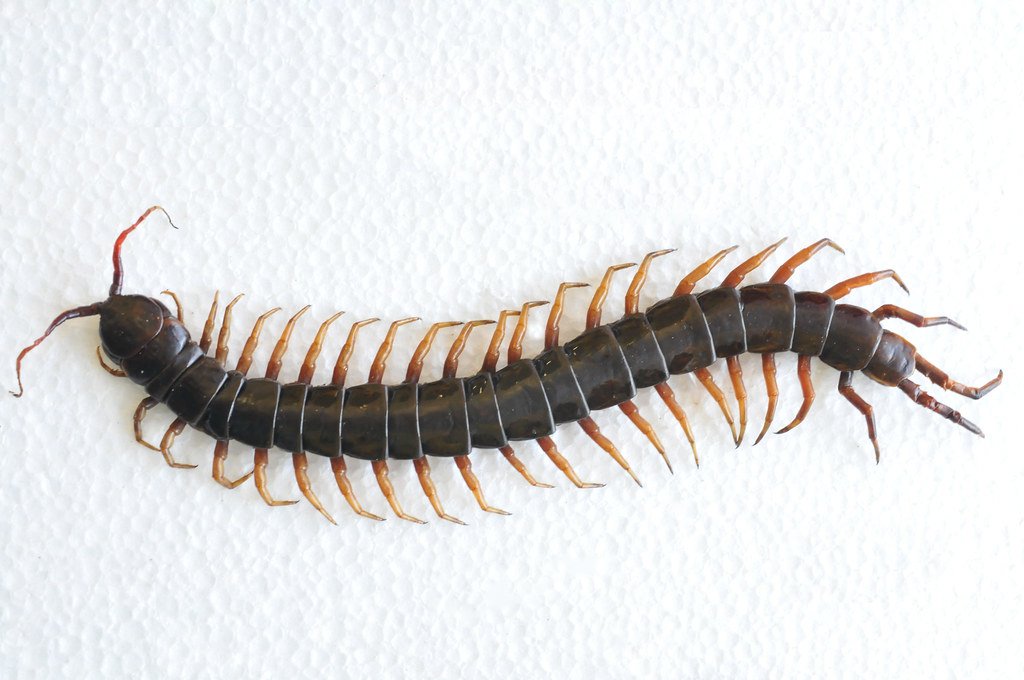
What has 30 legs, moves like lightning, and is secretly your home’s best defense against nastier pests? The answer is the house centipede, one of the most misunderstood and unfairly maligned insects you might encounter. While its alien-like appearance can trigger a wave of panic, the truth about this creature is far more fascinating than it is frightening. Knowing the facts might just change your mind the next time you cross paths with one.
The core of the house centipede’s bad reputation is its look. All those legs moving in a wave-like motion are understandably unsettling. However, those legs are the key to its superpower: they make it one of the fastest and most agile hunters in the insect world. This isn’t a mindless creepy-crawly; it’s a skilled predator on a constant mission. That mission, luckily for you, involves hunting down the insects you actually want gone from your house.
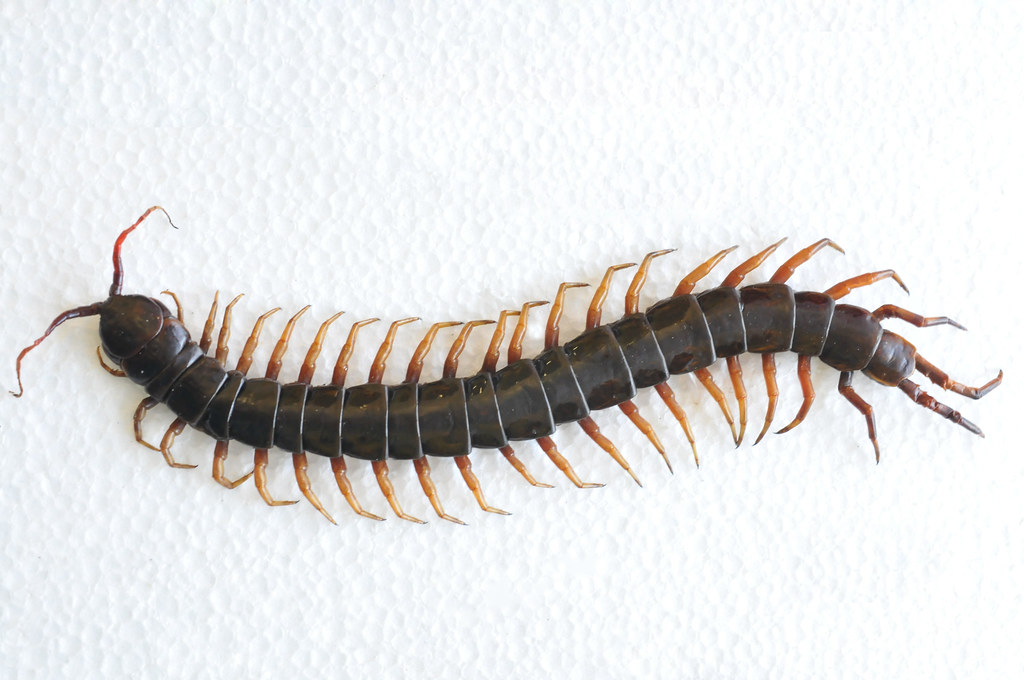
Consider the house centipede your personal, in-home pest control agent. Its diet consists almost entirely of common household intruders. It has a particular taste for cockroaches, spiders, ants, silverfish, and even bed bugs. While you’re sleeping, this many-legged vigilante is patrolling your basement, bathroom, and other damp areas, actively reducing the population of these unwanted guests. Killing a house centipede means firing your most effective, all-natural exterminator.
A major point of concern for people is safety. Rest assured, the house centipede is virtually harmless to humans. Despite what their fearsome appearance might suggest, they are not poisonous to people. Their jaws are too weak to break our skin, and they are overwhelmingly shy. They see you as a giant predator and will immediately flee rather than stand their ground. They pose no threat to your children or pets.
So, the next time you see that familiar, leggy shape dart into a shadow, pause for a moment. Remember that this creature is on your side, working hard to keep your home free of more problematic pests. If you simply can’t share your space, the humane approach is to capture and release it outside. But by letting it be, you’re allowing a fascinating and beneficial part of the natural world to do its job, protecting your home from the inside out.