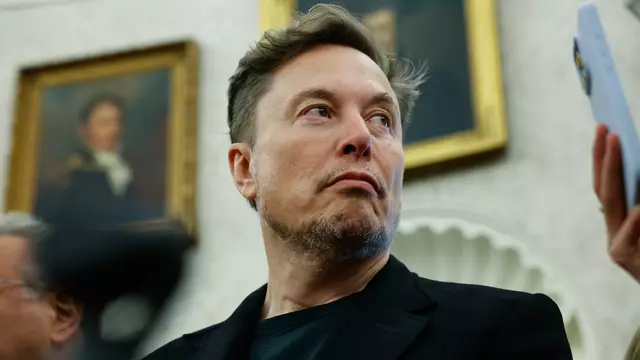
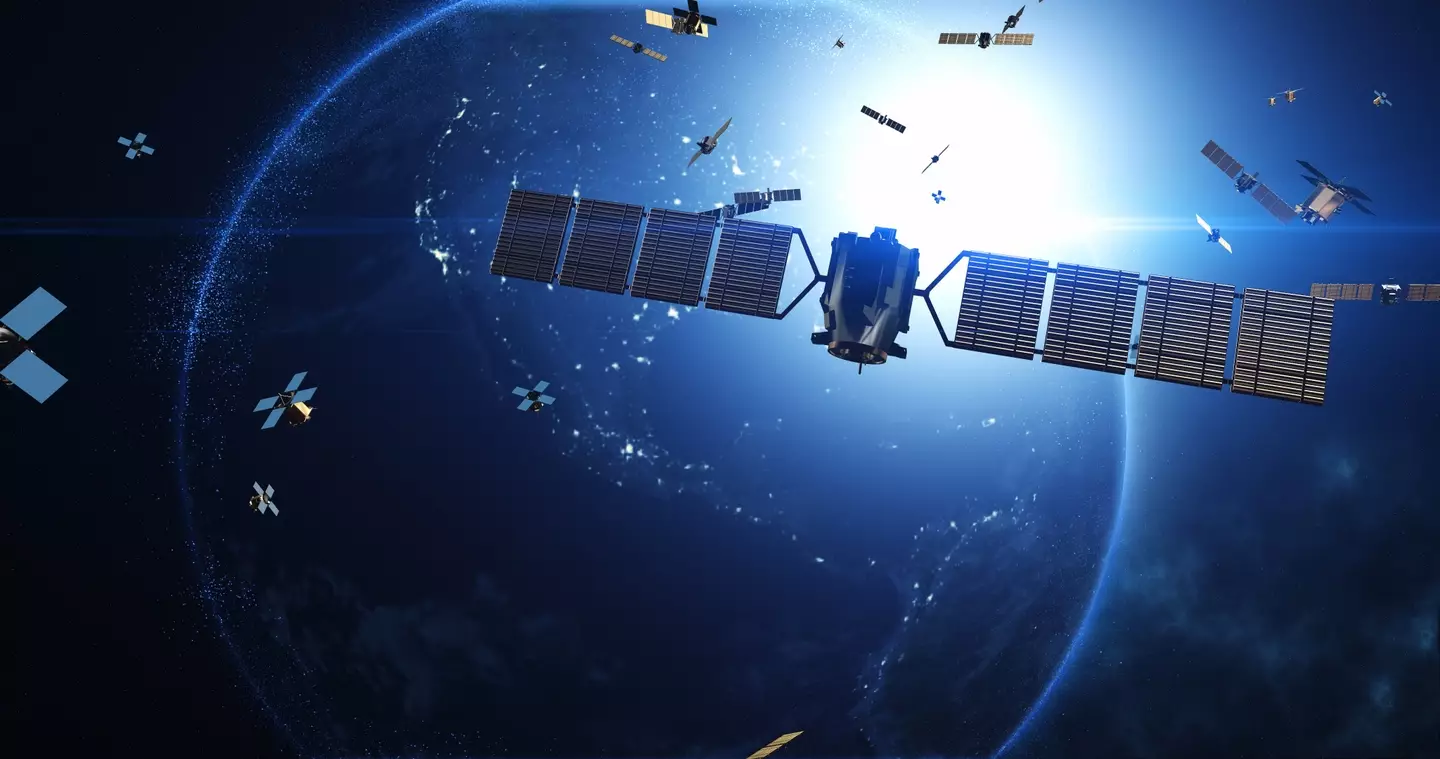
The dream of a connected world and an interplanetary future faces a formidable, human-made obstacle: our own debris. Experts are warning that the unchecked expansion of satellite networks, spearheaded by companies like Elon Musk’s Starlink, could trigger a catastrophic chain reaction known as Kessler syndrome. This scenario, once the domain of science fiction, is now a genuine concern that threatens to make low-Earth orbit a no-fly zone for generations.
The concept is simple but terrifying. Proposed by NASA scientist Donald J. Kessler in 1978, the syndrome describes a point of no return where the density of objects in orbit becomes so high that a single collision can set off an unstoppable cascade. Each impact generates thousands of fragments, each capable of causing another collision, creating an expanding cloud of high-speed shrapnel. As one MIT professor starkly put it, in such a future, launching satellites would become a losing game, with 50% being lost to debris collisions shortly after launch.
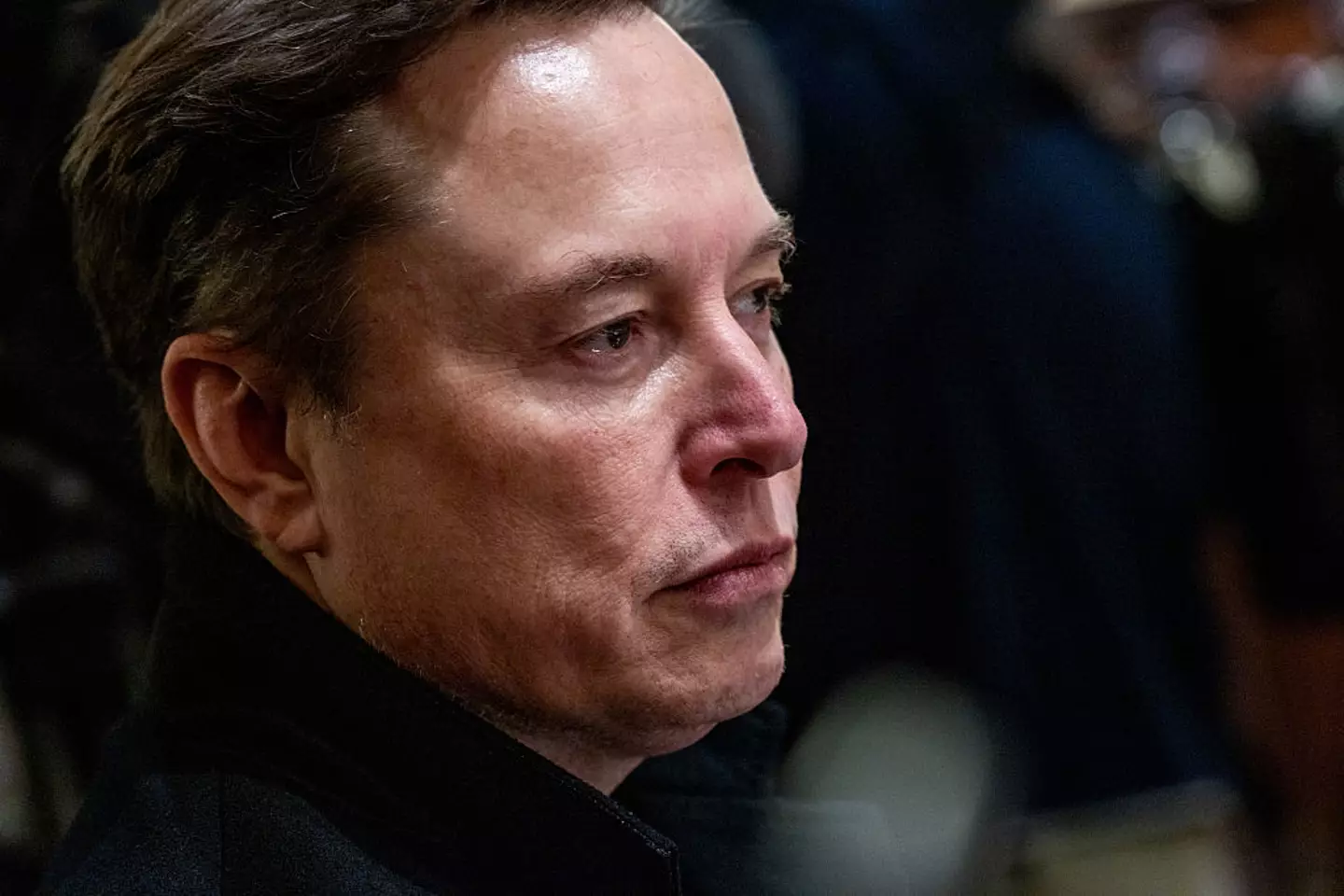
The rapid deployment of Starlink satellites is a key driver of this risk. Astrophysicist Jonathan McDowell notes that with plans for tens of thousands more satellites from various companies, the replacement cycle alone could lead to five re-entries every day. This constant traffic dramatically increases the probability of a catastrophic accident. The consequence would be more than just the loss of GPS and communication satellites; it would mean the effective closure of a vital pathway to space, halting scientific exploration, national security operations, and the burgeoning space economy.
While the immediate focus is often on the physical danger of collisions, the environmental impact of this satellite traffic is also coming to light. Research shows that burning satellites are depositing metals like aluminum and copper into the stratosphere, potentially damaging the ozone layer. This creates a dual crisis: the risk of being trapped on Earth by a shell of debris, compounded by the degradation of our planet’s atmospheric protection.

The race for space-based services is accelerating, but the warnings from astrophysicists and atmospheric scientists serve as a crucial reality check. They argue that sustainable practices, including strict debris mitigation and deorbiting protocols, are not just optional guidelines but essential prerequisites for ensuring that humanity’s future in space remains open for business. The choices made today will determine whether low-Earth orbit remains a highway to the stars or becomes a impenetrable junkyard.