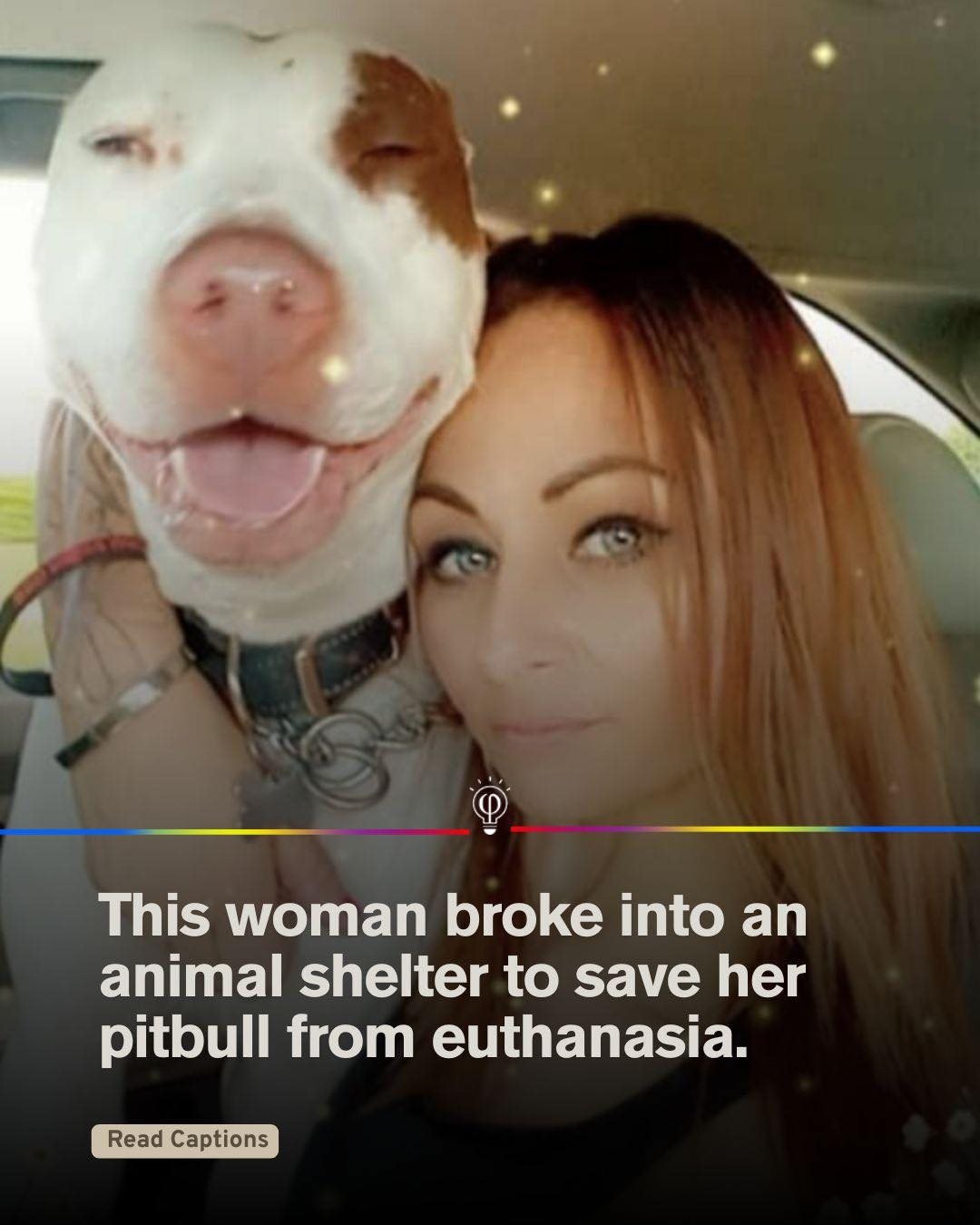
They told Toya Stewart her dog was dangerous. They told her it was policy. But in her heart, Toya knew only the truth of Hazel’s gentle nudge, her loyal walks, and the quiet comfort she brought after long days. When the final notice came—her pit bull was to be euthanized—Toya felt a quiet resolve harden within her. The system had labels; she had love. And so, with time slipping away, she planned a mission that would transform her from a pet owner into a symbol of defiant love.

Hazel’s crime was her breed. In the shelter’s paperwork, her sweet nature was irrelevant beside the checked box that read “pit bull.” Toya had witnessed this bias before, the subtle flinches from strangers, the extra scrutiny. Now, it had become a death sentence. The sterile bureaucracy of the shelter stood in direct opposition to the messy, beautiful reality of the life they shared. Toya realized that saving Hazel meant not just arguing, but acting. It meant believing in their bond more than she feared the consequences.

The night of the rescue was charged with a singular purpose. Every silent step toward the shelter, every cautious moment, was fueled by a mother’s desperation. Finding Hazel, seeing the confusion and recognition in her eyes, was a moment of pure, unspoken understanding. As Toya led her to freedom, the weight of the law felt distant compared to the weight of the living dog leaning against her. It was an act of civil disobedience rooted not in politics, but in the fundamental claim that some connections are beyond regulation.
The fallout was immediate and loud. Toya’s story spread, splitting opinions neatly in two. Was she a courageous hero or a reckless criminal? Yet, within that noise, something profound happened. The conversation shifted from one woman’s actions to the thousands of dogs like Hazel. People began sharing stories of misunderstood pets, debating the science of behavior versus breed, and questioning policies they had never considered before. Toya, by following her heart, had accidentally held up a mirror to society’s prejudices.
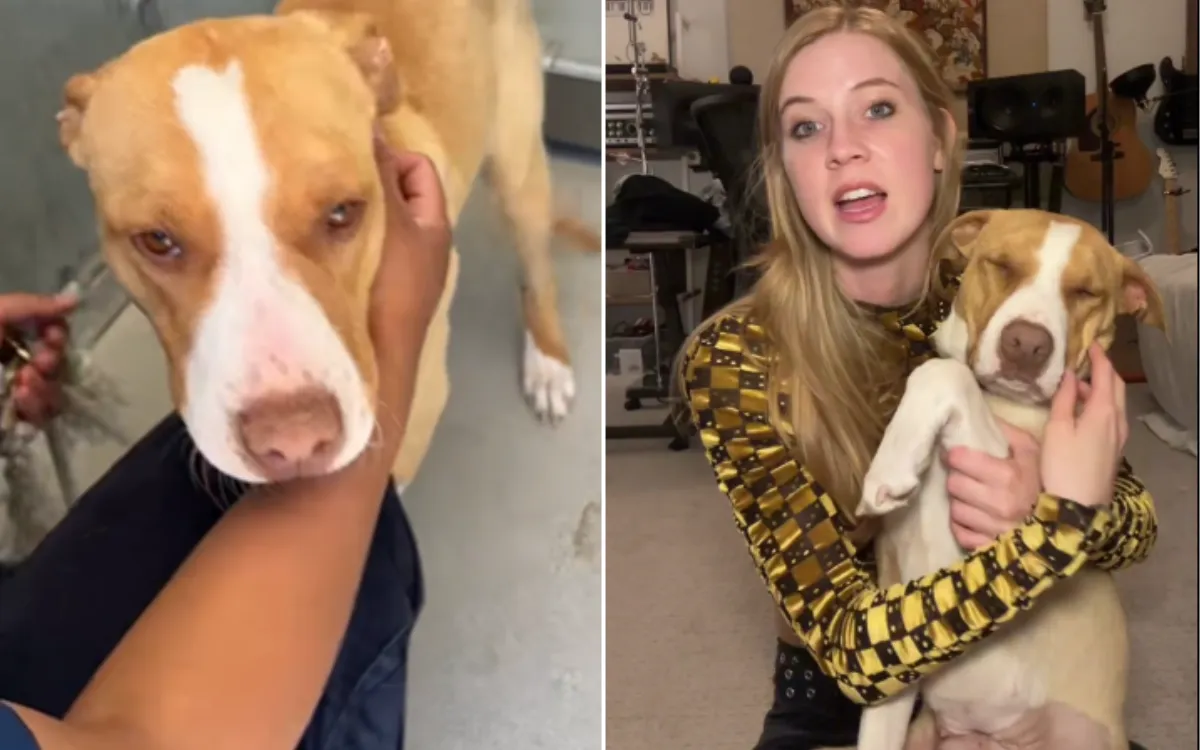
Today, Hazel sleeps safely at home, a daily reminder of what was almost lost. The legal challenges remain, but the victory is already won in the broader sense. A single act of love, risky and imperfect, cracked open a door for empathy. It reminded us that behind every statistic is a unique spirit, and behind every labeled “dangerous” dog might just be a loyal friend waiting for a chance. Toya’s journey teaches that sometimes, changing the world starts with the simple, terrifying, and necessary act of refusing to let go.