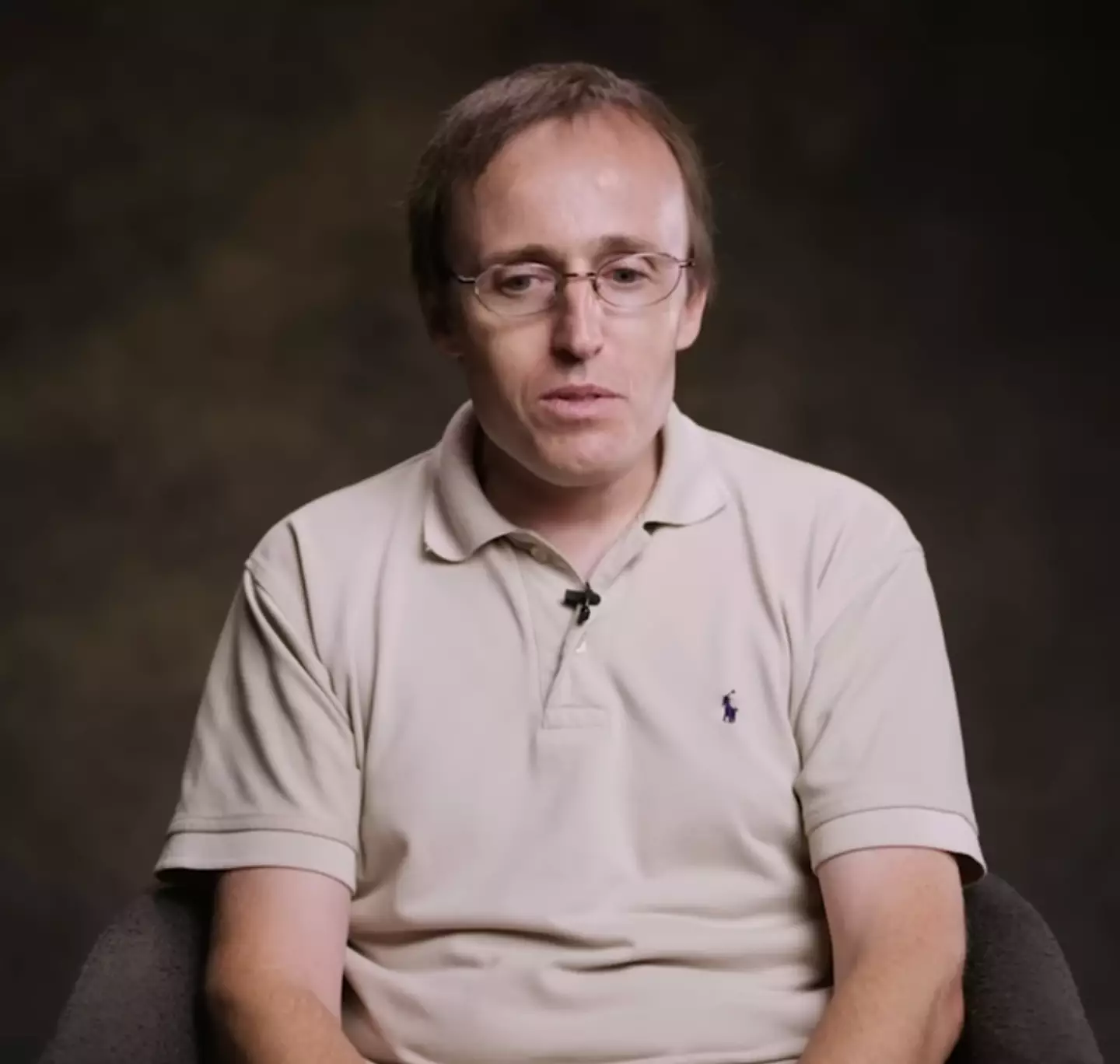
The English countryside, with its gentle green hills, feels a world away from the concrete nightmare of Quito prison. For Pieter Tritton, the distance was not just geographical, but existential. His journey from a teenager dealing drugs to an international trafficker ended in 2005 with his arrest in Ecuador. The prison doors that closed behind him opened into a different dimension, one ruled by arbitrary violence and the stark calculus of survival.
Quito was a paradox—a “small town” within walls where you could buy a meal but could not buy a guarantee of seeing the sunset. Tritton learned this truth daily. The violence was not organized; it was spontaneous, a flash of anger that ended with brains on the concrete or a body hacked to pieces. He walked past these scenes, a witness to the casual brutality that defined his new world. But the images, as horrific as they were, were not what stuck with him most.
It was the smell. The coppery, metallic scent of fresh blood that hung in the air after a killing, so thick he could taste it on his tongue. That taste became the signature of his incarceration, a sensory tattoo he carries to this day. It was the proof that the horror was not just something he saw, but something he ingested with every breath. In his bunk at night, the question wasn’t if violence would come, but when. “Is this my last night on this planet?” became his nightly mantra, a prayer offered to an indifferent universe.
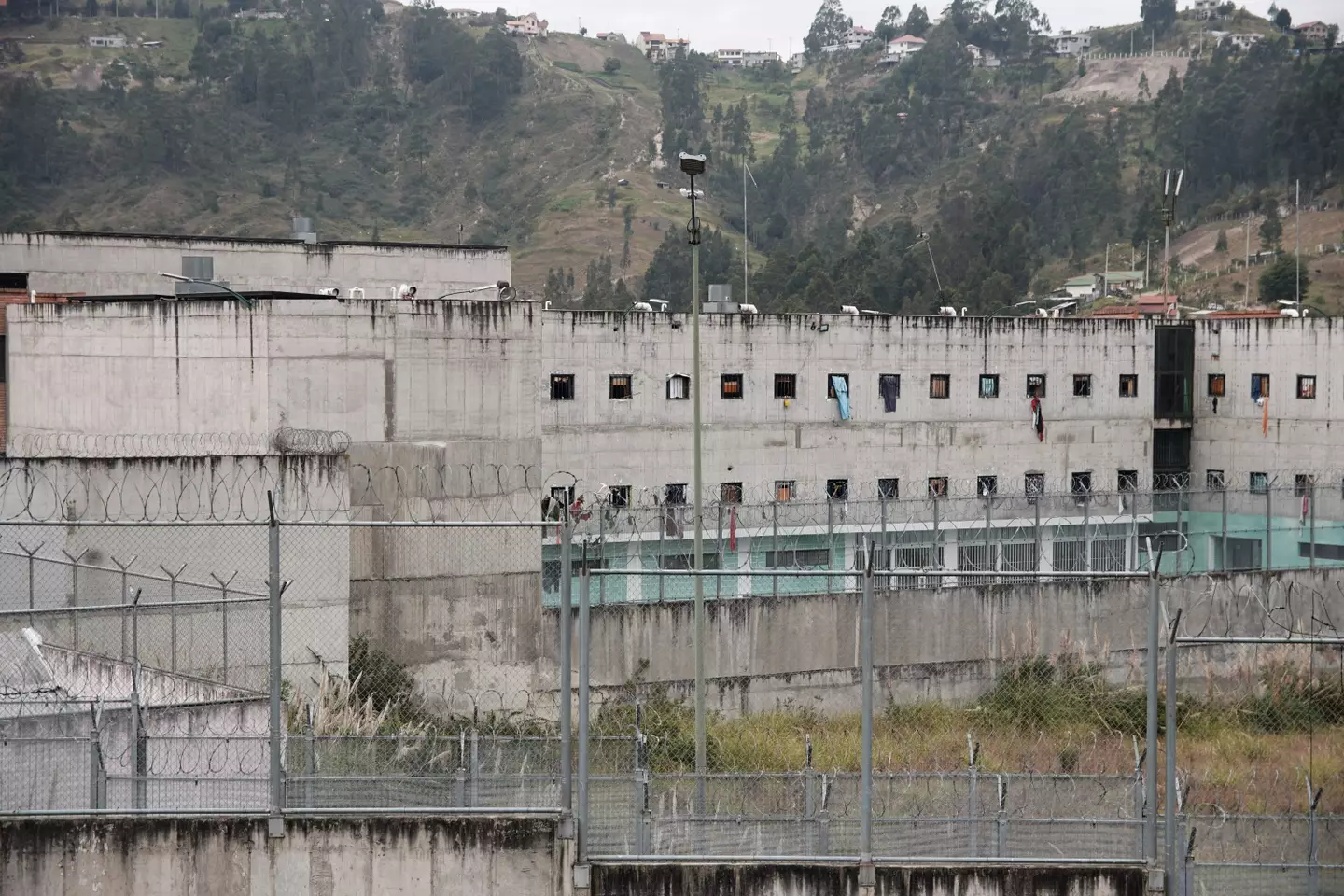
His transfer to the Guayaquil prison was a descent into a deeper circle of hell. With 8,000 souls crammed into a space controlled by gangs, it was a pressure cooker where survival was measured in five-year increments. To live, Tritton had to pick up a weapon and join the very chaos that threatened to consume him. He sold drugs for a gang, fought for his place, and watched his body wither from tuberculosis. He lost count of the deaths he witnessed, each one blurring into a montage of misery.
When he finally stepped into a British prison after his repatriation, the silence was deafening. The absence of fear was a palpable relief. The threat of a bullet, the taste of blood, the specter of a grisly death—it was all gone. For Pieter Tritton, the bland routine of a UK jail was not a punishment; it was the peace he had fought for nine years to earn. His story is a testament to what a man will do to survive, and the price he pays long after he is free.