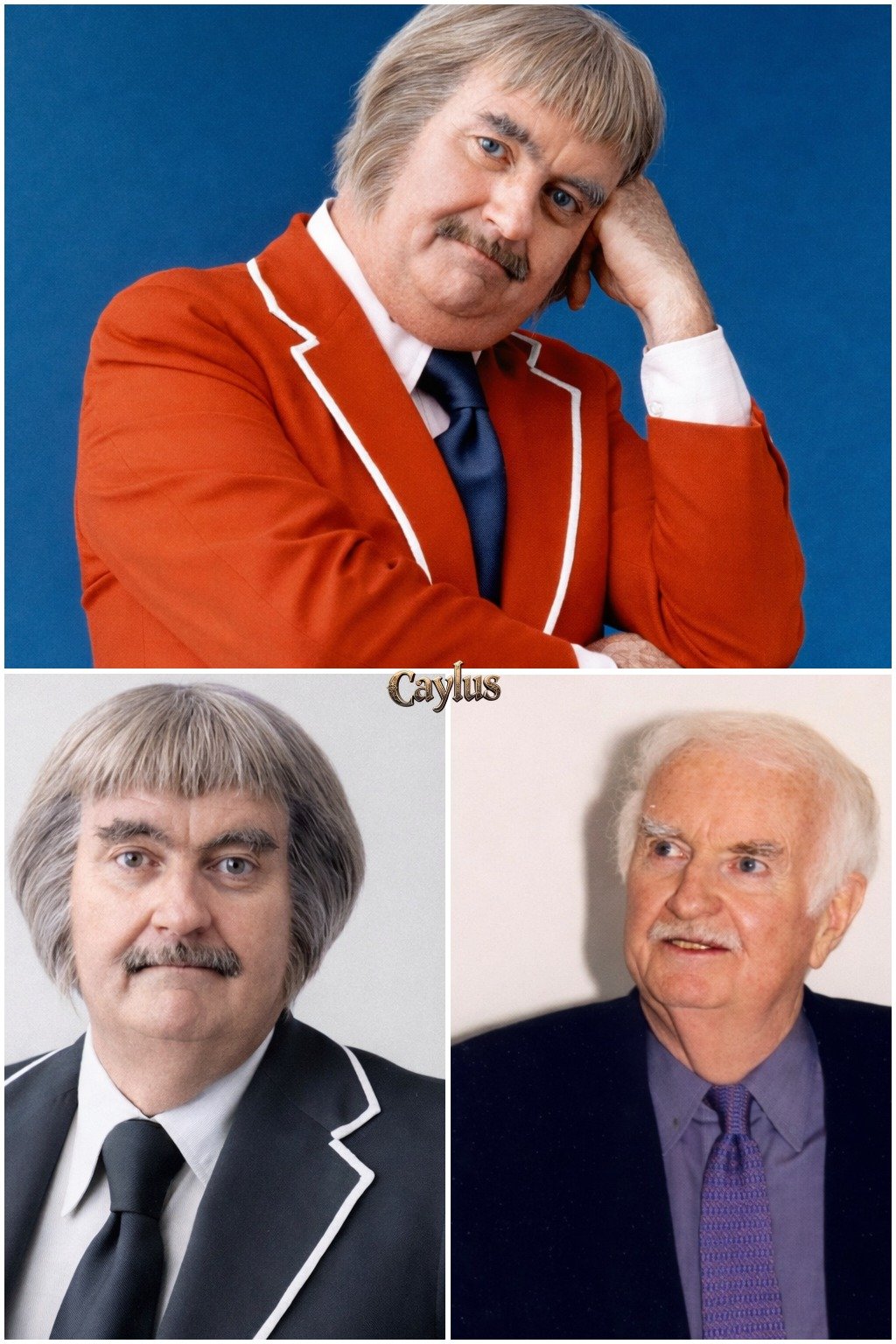
Imagine a children’s television show with no commercials, no frantic pacing, and no pressure to buy anything. In the mid-1950s, this was not just an unusual idea—it was a radical act. Bob Keeshan, the mind behind Captain Kangaroo, made this vision a reality, creating a timeless haven that would run for over six thousand episodes. His journey began not as a star, but as a observer. After serving in the Marines and working as the silent Clarabell the Clown, Keeshan grew disillusioned with the commercial frenzy of children’s programming. He saw an opportunity not to entertain children for profit, but to connect with them with respect.
When given the chance to create his own show, Keeshan’s central condition reshaped the landscape: no advertising targeted at his young audience. This wasn’t a negotiation point; it was a moral stance. The resulting program, Captain Kangaroo, was a deliberate contrast to everything else on TV. It offered a slow, thoughtful pace, filled with gentle conversations, simple stories, and beloved characters who felt like friends. The jingling keys on the Captain’s belt weren’t a gimmick; they were a signal that something predictable, safe, and kind was about to begin.
Keeshan operated on a powerful, simple belief: television should meet children where they are, not manipulate them into wanting more. He understood that a child’s attention is a precious thing, to be nurtured with patience, not seized with flashy tricks. This approach resonated deeply with parents and educators, who trusted the Captain implicitly. The show became a daily lesson in empathy and curiosity, proving that educational content could be both engaging and free from commercial strings.
Bob Keeshan’s legacy extends far beyond his iconic red jacket. He was a vocal advocate for early childhood development, arguing passionately that children’s media carries a profound responsibility. In a culture increasingly defined by noise and sales pitches, he built a quiet fortress of calm. He demonstrated that the most enduring impact often comes from a place of gentle consistency, not loud spectacle. By choosing respect over revenue, Bob Keeshan didn’t just host a show—he gifted generations of children a peaceful place to simply be.