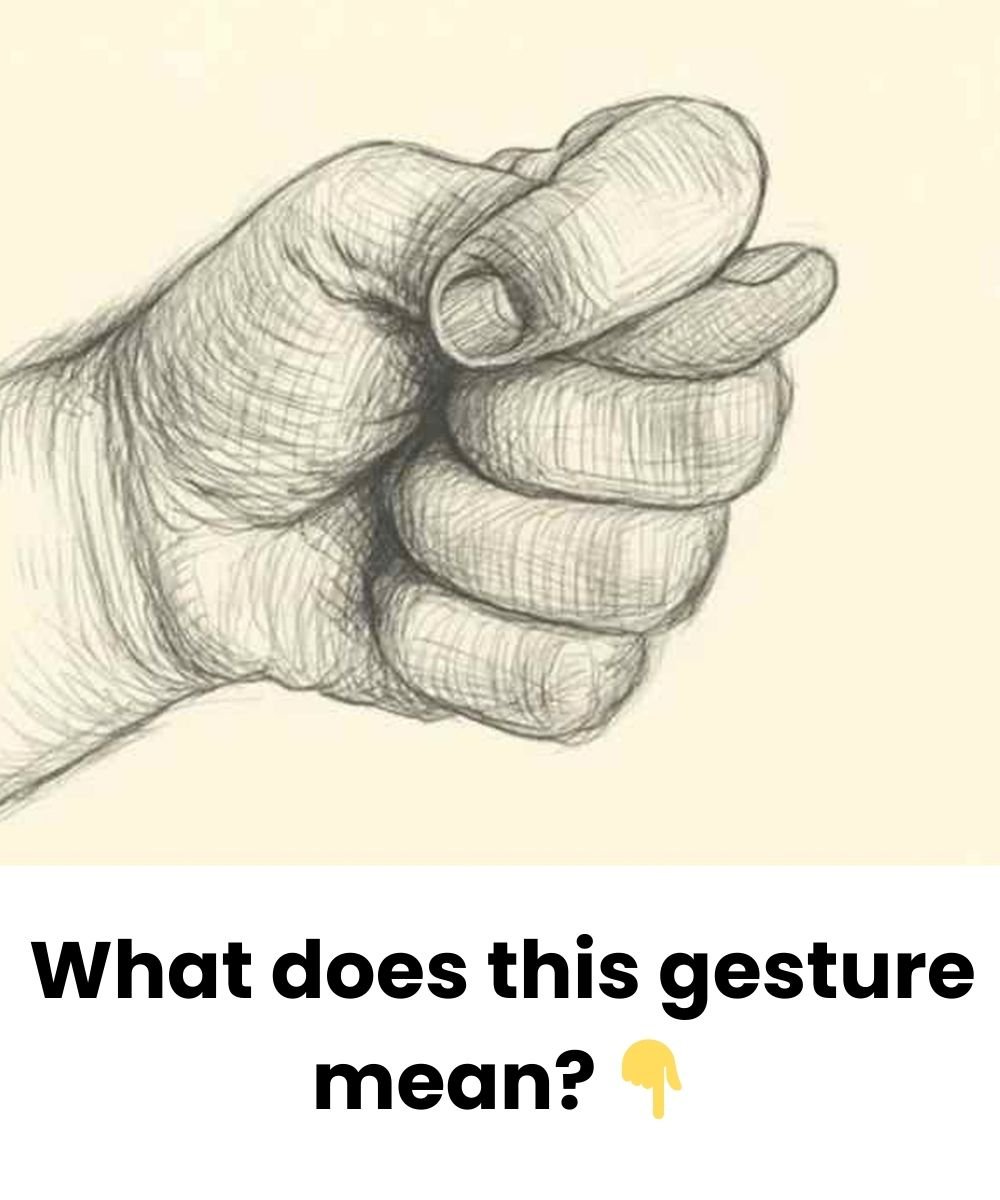
The “fig sign”—a closed fist with the thumb tucked between the index and middle fingers—is a gesture that traverses centuries and cultures.
In ancient Rome, the “manus fica” was a ritualistic symbol to shield individuals from evil spirits. The fig fruit and tree symbolized fertility, luck, and protection. Greek art depicted the gesture as a charm against misfortune and the evil eye.
The sign’s meanings vary. In some regions, it’s seen as a vulgar insult akin to the middle finger, while in others, it’s a playful gesture representing “stealing someone’s nose” or warding off bad luck.
Folklore and popular culture have passed the fig sign down as a gesture of quiet resistance and protection. It was used to communicate defiance without confrontation and passed as a playful secret among children.
Though its use has declined in modern times, the fig sign remains a fascinating example of how hand gestures carry layered messages, blending humor, mysticism, and social commentary.