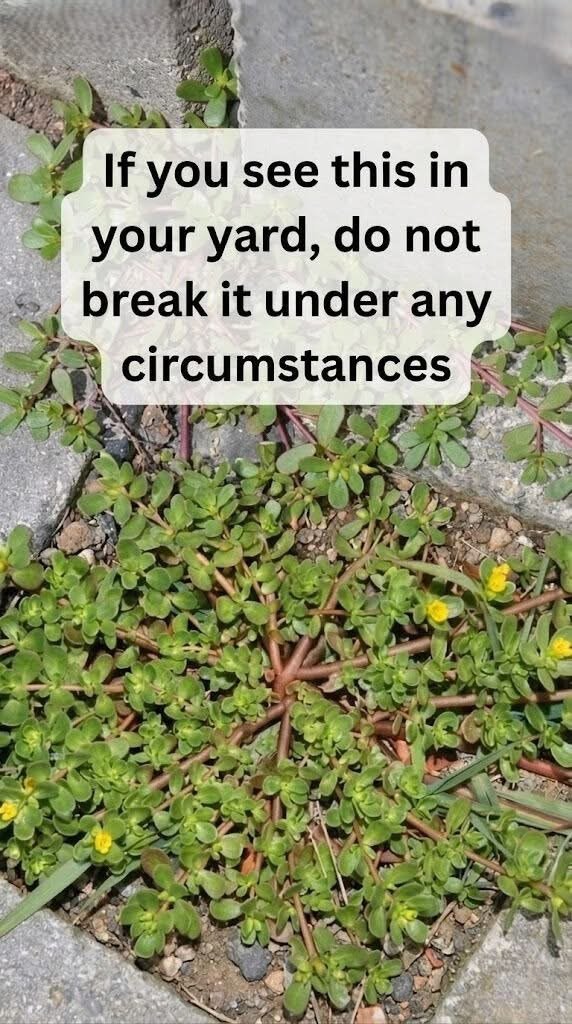
For years, many homeowners have viewed Common Purslane as nothing more than a stubborn garden weed spreading through sidewalks, flower beds, and gravel pathways. Its fast-growing stems and low ground cover often lead people to remove it without a second thought. However, growing interest in sustainable foods and nutrient-rich plants has recently brought new attention to purslane’s surprising value. What was once dismissed as unwanted yard growth is now increasingly recognized for its impressive nutritional profile and long history in traditional cooking across several cultures.
Purslane has been used for generations in Mediterranean, Middle Eastern, and Asian cuisines, where it is appreciated for both its texture and versatility. The plant features thick reddish stems, small succulent leaves, and tiny yellow flowers that thrive in warm weather and dry conditions. One reason it attracts attention from gardeners and sustainability advocates is its resilience. Purslane grows easily in poor soil, tolerates drought extremely well, and requires very little maintenance, making it an environmentally friendly addition to home gardens and edible landscapes.
Nutrition experts often highlight purslane because it naturally contains plant-based omega-3 fatty acids, along with vitamins and minerals commonly associated with leafy greens. It also provides antioxidants, magnesium, potassium, and vitamin C, nutrients that contribute to general wellness and balanced nutrition. Some studies have explored its potential role in supporting healthy dietary habits when included as part of a varied and balanced diet. While purslane should not be viewed as a substitute for professional medical advice or treatment, many people enjoy incorporating it into meals as one of many nutritious plant-based foods.
Another reason purslane continues gaining popularity is its mild, refreshing flavor and culinary flexibility. The leaves and stems can be added raw to salads, blended into smoothies, lightly sautéed, or mixed into vegetable dishes for extra texture and freshness. Because wild plants can sometimes be confused with look-alike species, experts recommend proper identification and harvesting only from clean, pesticide-free environments. In the end, purslane serves as an interesting reminder that some of the most overlooked plants growing in ordinary backyards may hold surprising cultural, culinary, and nutritional significance.