In the fight to protect our planet’s pollinators, you don’t need a beekeeper’s suit or a degree in ecology. Some of the most powerful tools are already in your kitchen. As bee populations face unprecedented threats, everyday people are discovering that they can make a real difference with a simple spoon and some sugar. This grassroots effort, championed by conservationists like David Attenborough, is gaining traction as a practical and immediate way to support bees right in your own neighborhood. The method is simple, but the impact on a single bee can be profound.

Why are bees so tired in the first place? The life of a worker bee is one of constant labor. They travel great distances from the hive to forage for nectar and pollen, which they use to feed the colony and produce honey. This is an energy-intensive process, and sometimes a bee can push itself too far. When a bee’s energy reserves are completely depleted, it can collapse, unable to continue its journey home. From a distance, it may look dead, but more often than not, it is simply stranded and in desperate need of a quick energy source to recharge.
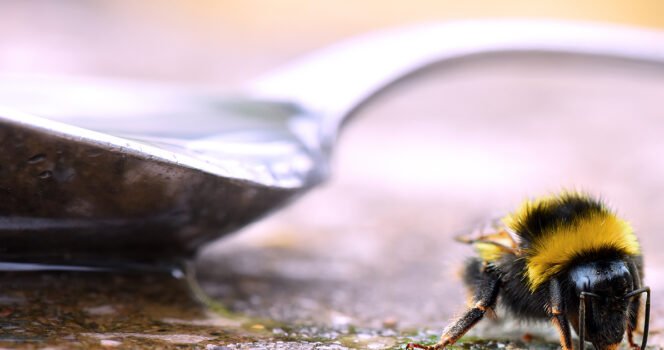
This is where the spoon trick comes into play. The recommended formula is a concentrated sugar solution—two tablespoons of granulated sugar mixed with one tablespoon of water. This mixture is designed to provide a rapid burst of energy, similar to an energy gel for a human athlete. By placing this on a spoon and setting it near the bee, you offer a lifeline. The bee will instinctively drink the solution, and within ten to thirty minutes, you may see it begin to stir, clean its antennae, and eventually fly away, rescued from certain death.

Creating a bee-friendly habitat is another key step in supporting their population. Planting a variety of flowers that bloom at different times ensures a steady food source from spring to fall. Flowers like lavender, sunflowers, and poppies are excellent choices. Reducing or eliminating pesticide use in your garden is also critical, as these chemicals are a major factor in bee decline. By providing safe, nourishing spaces, your yard can become a sanctuary, reducing the likelihood of bees becoming exhausted in the first place.
The next time you are in your garden, keep an eye out for any bees that seem to be moving slowly or lying still. Remember the power you hold with a simple spoonful of sugar water. This small act of compassion contributes to the health of your local environment and helps safeguard the food on our tables. It’s a reminder that we are all connected in the ecosystem, and sometimes, the smallest gestures can have the most significant consequences.