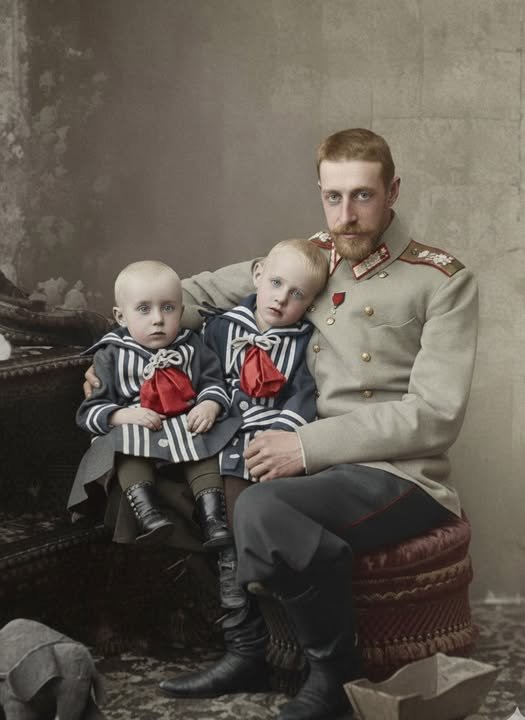
Fatherhood is often framed as a biological destiny. The story of Thomas Calder, a veteran returning to a shattered home in 1889, challenges that notion completely. After enduring the horrors of war, he faced a more intimate devastation: his wife’s infidelity, followed swiftly by her death in childbirth. He was left with twin newborns—children who shared none of his DNA. In that moment, Thomas stood at a crossroads familiar in its pain, if not its specifics. He could have defined fatherhood by genetics and walked away. Instead, he redefined it by action.

What followed was a masterclass in devoted parenting, undertaken under the most trying circumstances. With no precedent and no support, Thomas became everything to these infants. He fashioned their cradles, learned to meet their needs, and provided a steadfast presence where there might have been none. He did not do this out of a sense of martyrdom, but from a fundamental decision: these children were innocent, and they were now his responsibility. His choice to stay and care transformed the very meaning of the word “father” from a biological fact into a lifelong commitment.

The boys grew without the shadow of their origin story, knowing only the secure, unwavering love of the man they called Pa. Thomas taught them through quiet example—the integrity of hard work, the strength of resilience, the depth of a love that asks no questions. He proved that the core of parenting isn’t about passing on traits, but about building character; not about claiming ownership, but about offering sanctuary.
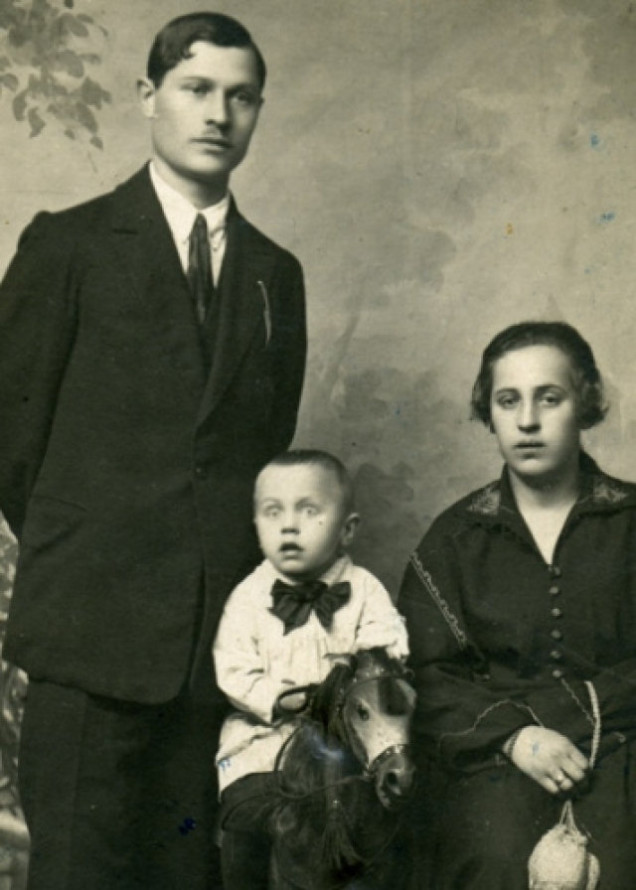
His legacy, echoed in his simple words—“I chose how they would be loved”—offers a timeless lesson for any parent. It underscores that family is built daily through choices: the choice to show up, to provide comfort, to prioritize another’s well-being above your own hurt. In an age where family structures are beautifully diverse, Thomas Calder’s 19th-century story feels remarkably modern. It is a powerful testament to the truth that love, not blood, is the strongest foundation a family can have.