
The path to student loan forgiveness has just seen a notable course correction, offering renewed hope for millions of borrowers. A legal settlement between the Trump administration and the American Federation of Teachers has reopened doors to debt relief that were previously closed. This development primarily benefits those enrolled in specific income-driven repayment plans, reinstating a process that had been unexpectedly paused and leaving many in financial uncertainty.
The conflict began when the Department of Education stopped processing applications for several affordable repayment programs, a decision that drew immediate criticism. The AFT, a powerful union representing educators and public servants, argued that the move was not only detrimental to working families but also unlawful. The lawsuit highlighted the frustration of millions who felt a promised solution to their student debt was being taken away.
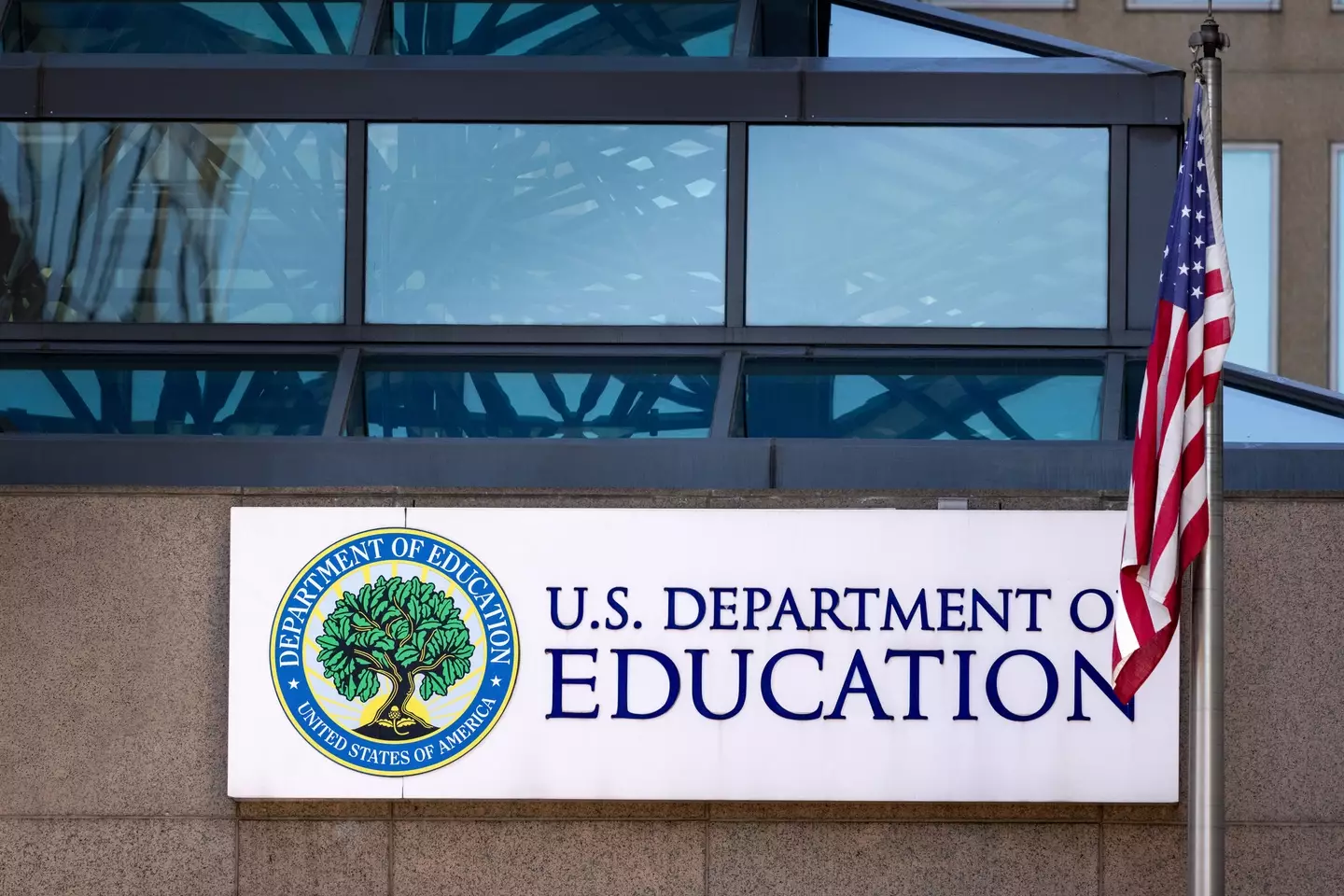
The resulting agreement, reached in mid-October, represents a compromise. The administration has agreed to resume processing student loan forgiveness for borrowers who are part of the Income-Contingent Repayment (ICR) and Pay as You Earn (PAYE) plans. This directly affects more than 2.5 million people, allowing them to proceed with their applications for debt cancellation under the rules of these established programs. It is a clear win for borrower advocacy and a reminder of the impact of collective action.

Borrowers should be aware that this reinstatement is not permanent. The administration’s broader plan includes phasing out the ICR and PAYE programs by July 2028. This creates a deadline for eligible individuals to fulfill their obligations and apply for forgiveness. Understanding this timeline is crucial for anyone relying on these plans as their primary strategy for eliminating student debt.
To determine if you are eligible for this or other forgiveness programs, the first stop should be the Federal Student Aid website. It provides comprehensive information on the various avenues for loan discharge, including Public Service Loan Forgiveness for those employed by the government or non-profits. Teachers have a dedicated path as well, with the potential for up to $17,500 in forgiveness after five years of service in a low-income school. In a fluctuating policy environment, staying informed is the key to unlocking the relief you may deserve.