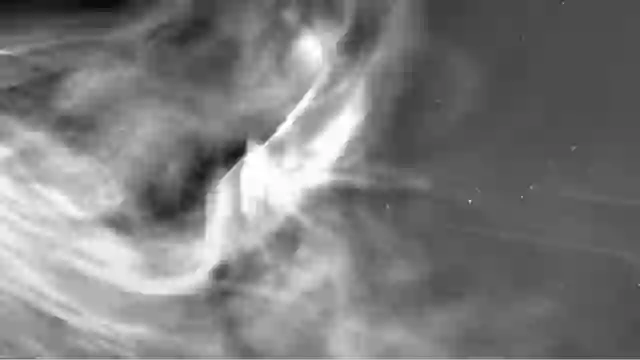
NASA recently unveiled the closest images ever captured of the Sun, taken by the Parker Solar Probe during its historic mission. On December 24, the probe flew just 3.8 million miles from the Sun’s surface, allowing it to study the corona—the Sun’s outer atmosphere—up close.
The corona reaches temperatures between 1.8 and 3.6 million degrees Fahrenheit and is usually only visible during solar eclipses. The Parker Solar Probe, traveling at 435,000 miles per hour, is the fastest man-made object and has provided new insights into how the Sun’s activity affects the solar system.
Nicky Fox from NASA highlighted that the probe’s data helps us see where space weather begins, improving predictions that protect both astronauts and Earth-based technology.
The images show the Sun’s corona swirling like smoke and reveal solar winds—charged particles streaming from the Sun that can cause auroras and interfere with power grids.
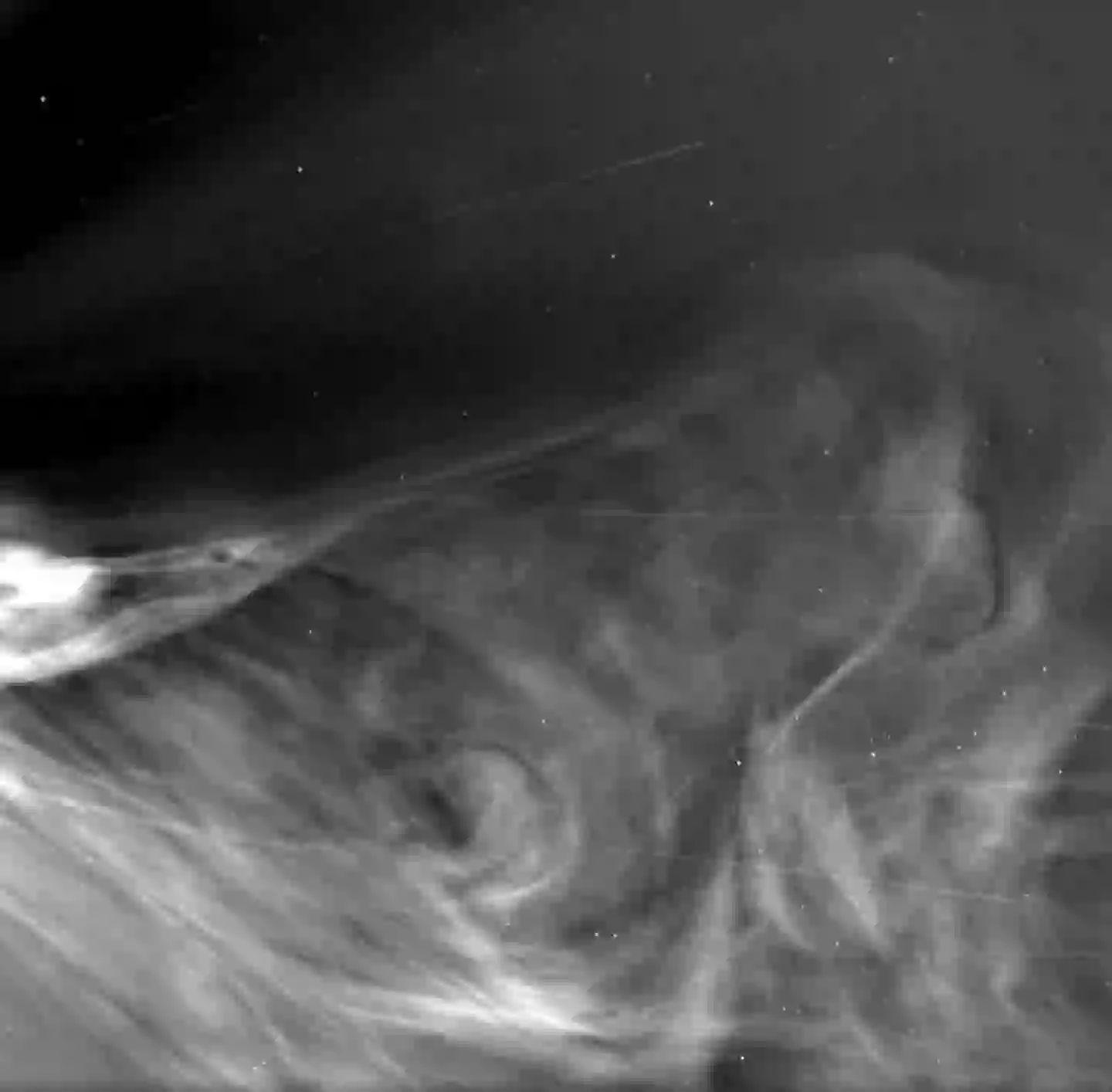
Many people wondered how the probe’s instruments survived such intense heat. The probe is protected by a hexagonal shield made from reinforced carbon materials that withstand temperatures up to 2,500 degrees Fahrenheit, allowing it to safely send back these incredible images.