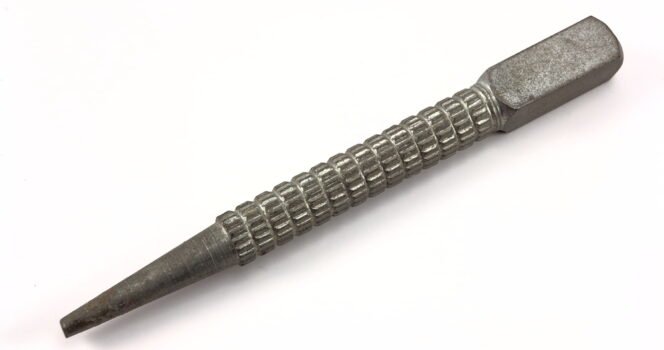
The nail punch, a tool dating back to early human history, has continuously evolved yet remains critical in woodworking today. Originally, artisans carved nails into wood using stones or chisels to maintain a smooth, splinter-free surface. This legacy tool laid the groundwork for modern nail set designs.
Typically, a nail punch holder features a slender, pointed tip that fits over a nail head, while the opposite end is hammered to sink the nail below the surface. Filling the small indentations afterward ensures a pristine finish and shields nails from corrosion.
Mass nail production in the 19th century brought changes to nail punch design, expanding size ranges and improving materials to accommodate more frequent use and various nail dimensions. Today’s versions often incorporate ergonomic handles and high-strength metals, blending tradition and technology.
Despite power tools’ efficiency, skilled woodworkers value nail punches for controlling the final look of their projects with precision. The tool’s enduring presence highlights its fundamental role in blending functionality with aesthetic craftsmanship.