Major Frank Burns remains one of television’s most memorable comic antagonists, a credit to actor Larry Linville’s nuanced performance. Yet, the man behind the major’s bluster wrestled with a common actor’s dilemma: being so closely identified with a character that his own identity felt erased. This internal struggle came to the fore during a deeply personal final chapter, revealing a side of Linville few fans saw.

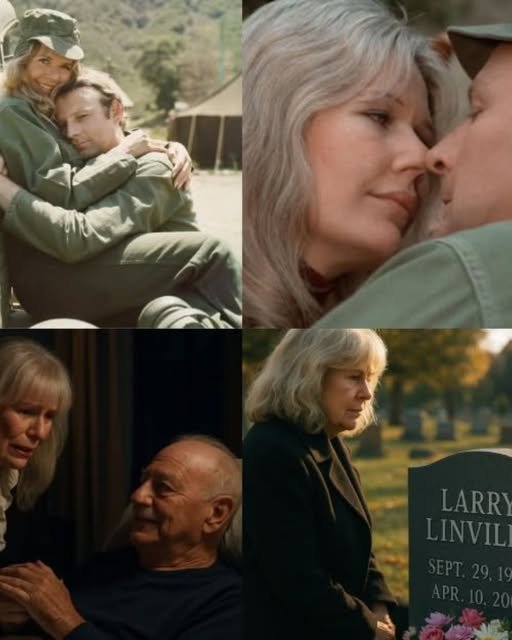
Weeks before his death from cancer in 2000, Linville reached out to Loretta Swit, his on-screen foil and off-screen friend from MASH*. Their late-night conversation was filled with regret for lost time and a heartfelt plea. Linville expressed shame for the distance that had grown between them and a fear that history would only recall him as the irksome Frank Burns. He wished to be remembered for his effort to maintain his integrity while playing a “fool.”

Swit’s compassionate reassurance provided profound comfort. She shared that she always spoke of him as the decent, vulnerable man he was, not just the character he played. This final exchange highlights the often-hidden emotional cost of iconic roles. Linville’s legacy, therefore, is dual-layered: the public gift of a brilliantly crafted character we loved to dislike, and the private lesson in seeking connection and being seen for one’s true self. His story underscores that the most resonant performances often come from actors of deep sensitivity, who fear their art might eclipse their soul.