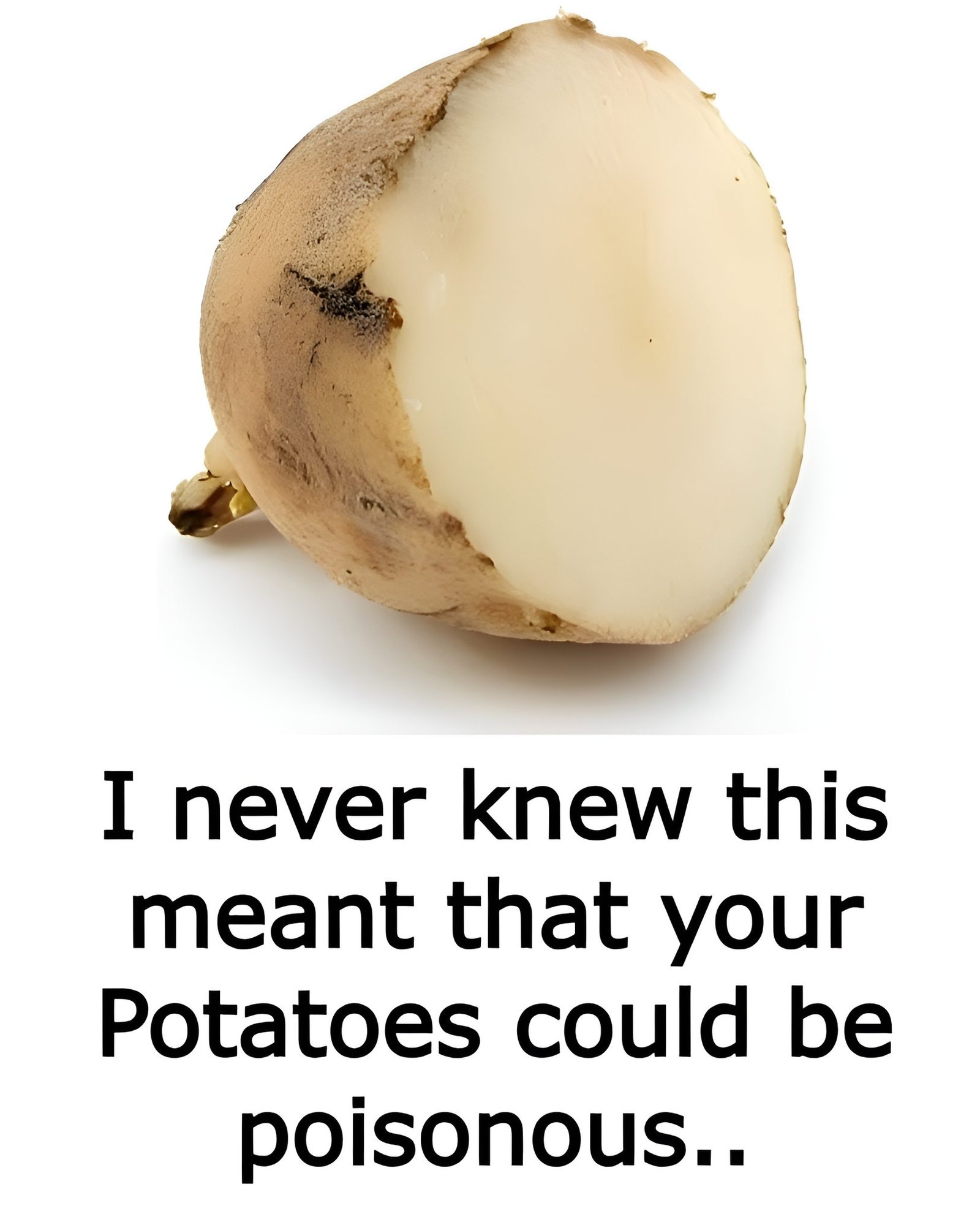
I’ll admit, I used to store bags of potatoes in my pantry and forget about them for months, thinking they could last forever. Unlike other vegetables, they didn’t seem to spoil quickly, so I didn’t worry about them. But then I learned potatoes can actually become poisonous if kept too long or stored incorrectly.
Potatoes contain a toxin called solanine—a natural defense against bugs. Usually, the amount of solanine is low and safe to eat, but if potatoes get exposed to light or left too long, solanine rises and can make you very sick. Eating these potatoes might cause nausea, headache, stomach issues, or more serious harm.
Don’t worry, just watch for the signs. If your potato has a green tint, that’s because it’s been exposed to light and produced more solanine. A small green patch can be cut off, but if it’s mostly green, it’s safer to throw it away. Sprouts are another sign. Those little eyes mean the potato is making more toxins—remove small sprouts if you want, but when the potato has many, it’s too late.
Texture is key. A good potato feels firm. If it’s soft and wrinkly or shriveled, it’s aging badly and may be toxic. Also, fresh potatoes don’t have much smell, so if your potato smells rotten or sour, it’s spoiled. Mushy or wet potatoes that leak liquid should definitely be thrown out.
@kellyscleankitchen Why you should never eat sprouted potatoes potatoes foodpoisioning cooking
Store potatoes in a cool, dark, dry place like a pantry. Don’t refrigerate—they get too sweet and their texture changes. Keep them in a paper bag or basket, not plastic, to avoid moisture. Use your potatoes within a few weeks and check for signs before cooking.
Potatoes are a kitchen favorite, but knowing when to throw them out protects your health. A little green or small sprouts? Cut and eat carefully. But green all over, bad smell, mushiness, or leaking? Toss them out for safety. Now I better check my own potatoes before dinner!