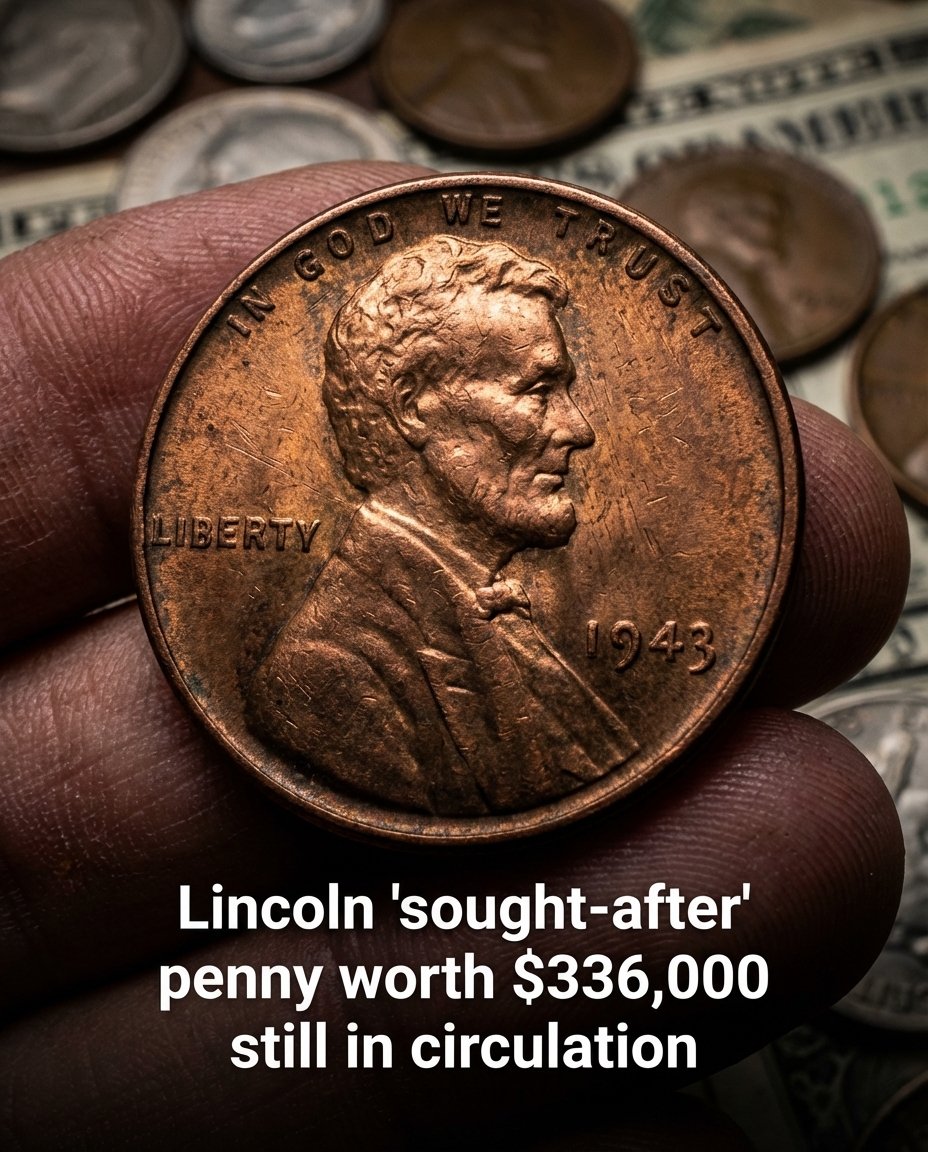
It’s easy to overlook loose coins sitting in drawers or jars, yet some pieces can carry unexpected historical and collectible value. One well-known example is the 1943 bronze Lincoln cent—a coin that appears ordinary at first glance but has become highly sought after due to its rarity. Stories like this remind us that everyday objects can sometimes hold unique significance, making it worthwhile to take a closer look before dismissing them as spare change.
Understanding why certain coins are valuable begins with a bit of context. In 1943, during World War II, the U.S. Mint adjusted its materials to conserve copper for essential uses, producing pennies from zinc-coated steel instead. However, a small number of bronze blanks from the previous year were mistakenly used in the process. These accidental coins entered circulation without immediate notice, creating a rare variation that would later attract the attention of collectors.
Over time, the limited number of these coins—only a few confirmed examples—has contributed to their high value in the collector market. Verified pieces have been sold for significant sums, not just because of their rarity, but also due to the historical circumstances behind their creation. Each coin represents a unique intersection of history, manufacturing error, and the enduring interest of collectors who appreciate such details.
If you’re curious about your own coins, there are a few simple ways to begin checking. A 1943 bronze penny typically has a copper-like color and, unlike the common steel version, will not be attracted to a magnet. While discovering one is extremely unlikely, adopting the habit of examining coins can make everyday moments more engaging. By paying attention to small details and learning basic identification steps, you can turn a simple routine into an opportunity for discovery and appreciation.