Dealing with head lice can be a cumbersome experience that many parents dread, especially with children spending time closely together in schools and camps.
Lice transmission occurs through direct hair contact and is more common during the school year following summer socialization. Lice do not jump or fly, reducing risk from indirect contact like hats.

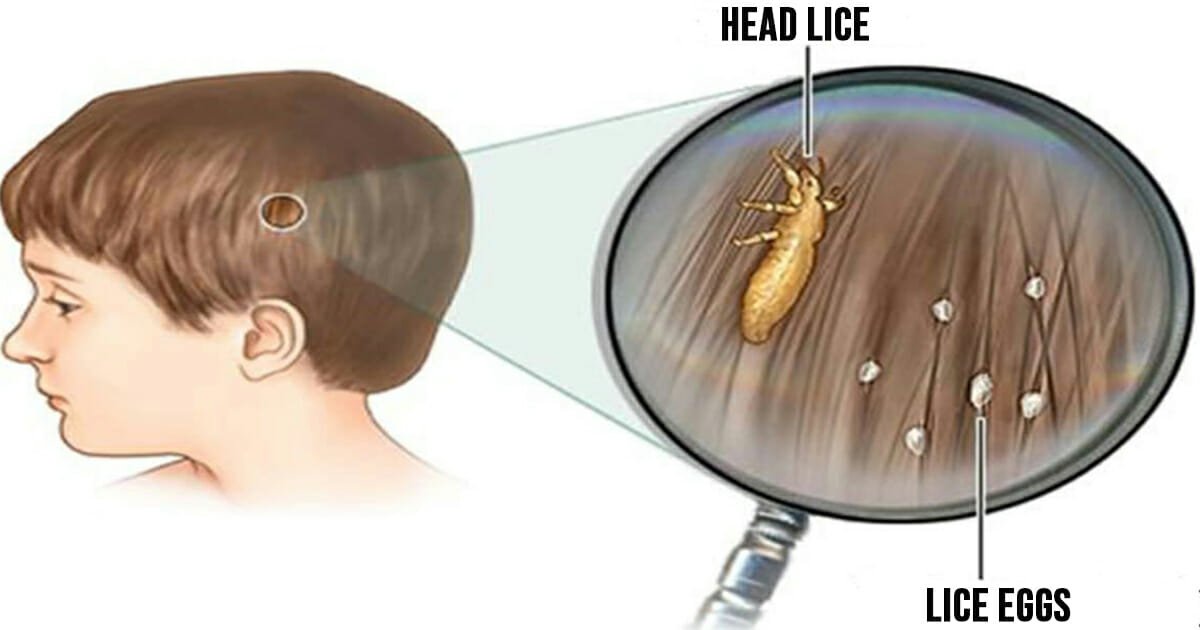
Signs include itching and visible lice or eggs close to the scalp. Eggs can appear dark or light depending on hatching status, making them easier to see than the lice in some cases.
Treatment methods vary from medicated shampoos to chemical-free options. A popular home method includes applying mouthwash to irritate lice, followed by vinegar to eradicate eggs and thorough combing.
Prevention includes vigilance in checking hair, especially after known exposure, and intermittent use of deterrents like diluted mouthwash sprays.