The United States’ fight against drug trafficking is entering a new and more dangerous phase, one that threatens to turn a law enforcement issue into a military confrontation. President Donald Trump has unveiled plans to extend lethal operations against suspected drug smugglers from international waters directly onto foreign land. This bold and controversial strategy, aimed primarily at targets within Venezuela, marks a significant escalation that bypasses traditional diplomatic channels and raises critical questions about international law and the consequences of unilateral action.
Until now, the administration’s efforts have focused on intercepting drug shipments at sea. US forces have conducted strikes that have resulted in the deaths of dozens of individuals accused of being part of narcotics networks. President Trump has defended these actions as necessary and precise, emphasizing that the targets, such as custom-built drug submarines, are unequivocally part of major criminal enterprises. He has positioned these maritime kills as a successful proof of concept for a more aggressive approach.
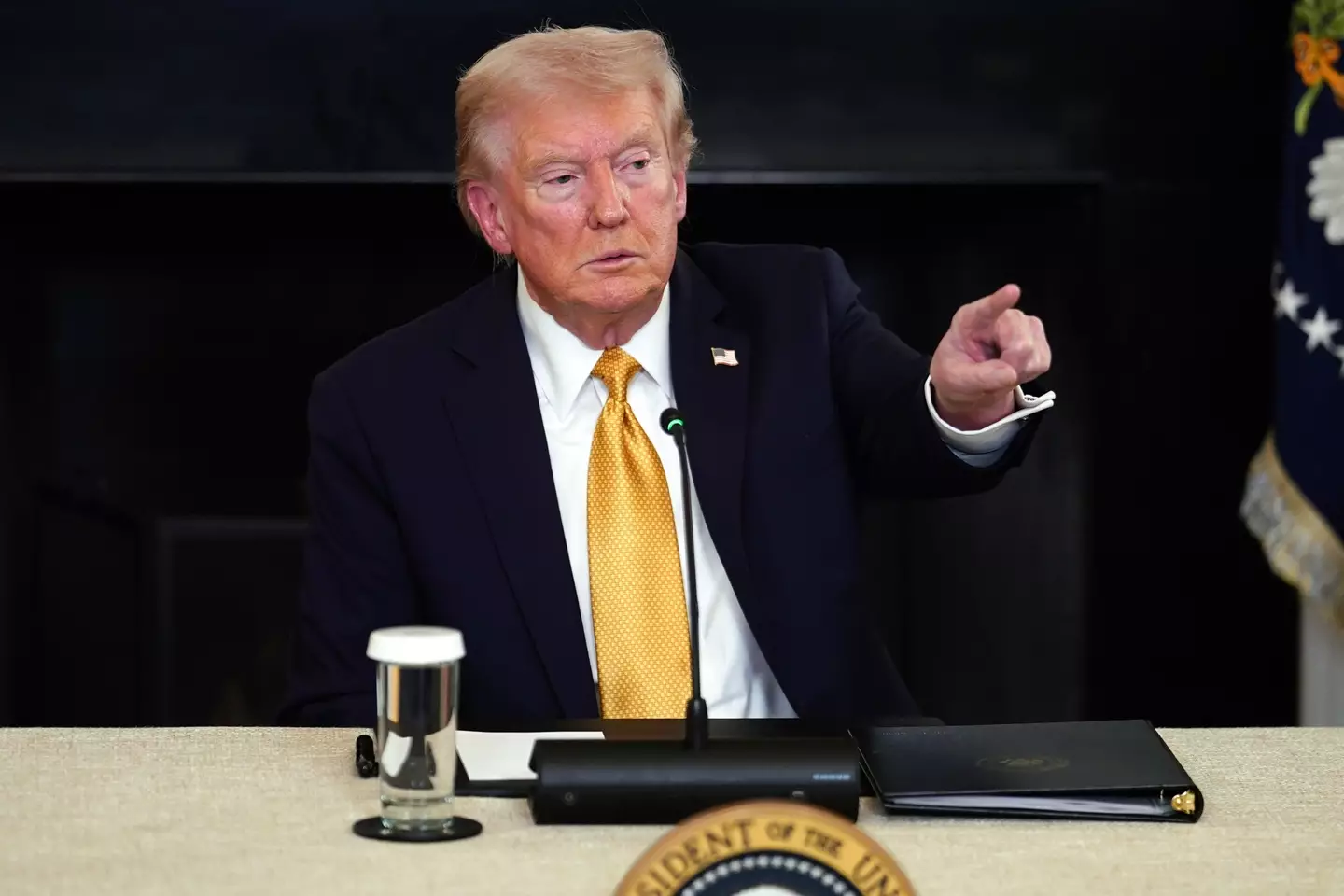
That more aggressive approach was laid bare in a recent press conference. President Trump declared that “the land is going to be next,” explicitly stating his intention to authorize killings within other countries. His comments on seeking congressional approval were notably dismissive; he suggested that while he might inform legislators, he saw no reason for them to object and seemed to consider their authorization an optional formality. This stance indicates a readiness to act without the formal declarations that have traditionally governed acts of war.
Evidence suggests that operational planning is already in motion. The New York Times reported that the Army’s 160th Special Operations Aviation Regiment, an elite unit known for its night-flying capabilities, is training for possible missions inside Venezuela. This, coupled with the confirmation of authorized CIA activities in the country, points to a coordinated and imminent threat. The use of such units typically signifies missions that require stealth and precision deep within hostile territory.
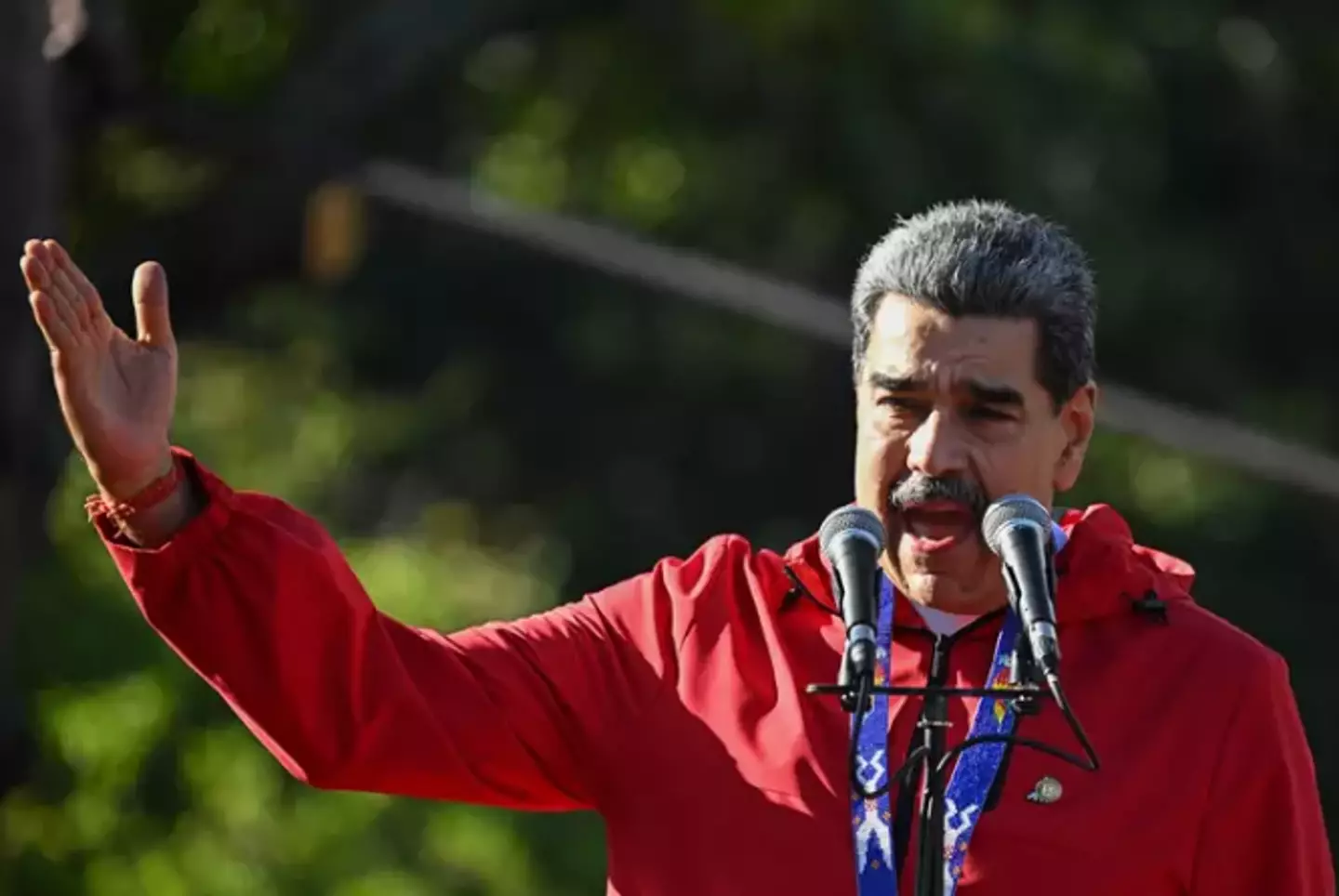
The reaction from Venezuela and the international community has been one of deep concern. President Nicolás Maduro’s government perceives these plans as an act of aggression that violates its sovereignty. The prospect of US special forces or aircraft conducting raids inside Venezuela creates a high risk of a military clash that could quickly escalate beyond control. This new land-based strategy, therefore, is not just an expansion of the drug war; it is a potential catalyst for a wider geopolitical crisis, fueling fears of a conflict that could draw in global powers and have unpredictable and devastating consequences.