
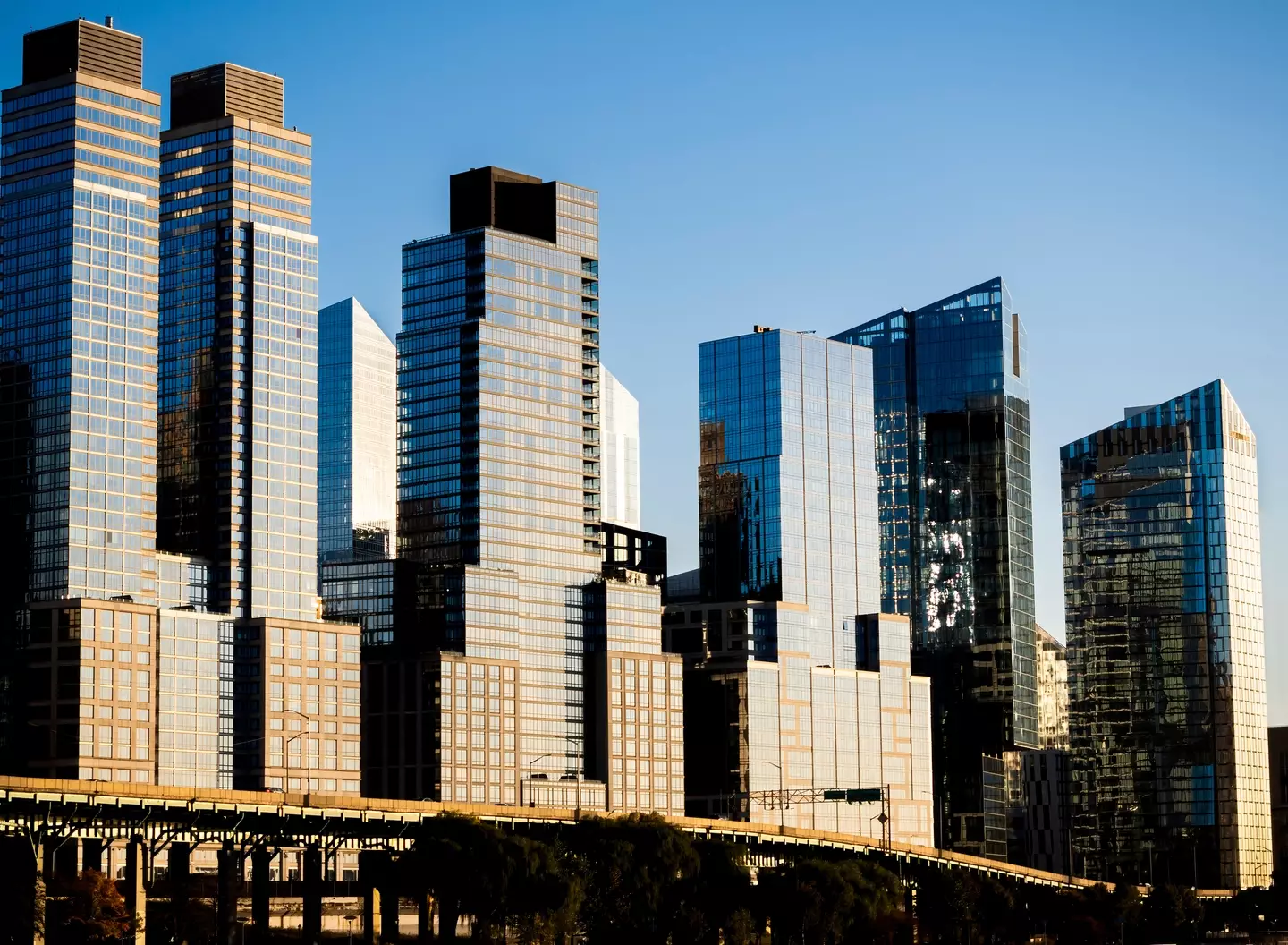
New York City’s iconic skyline is a marvel of modern engineering, but a closer look reveals a curious architectural secret woven into its fabric. Across the city, from luxury condos to office towers, the 13th floor has virtually vanished. This isn’t a case of structural impossibility but a cultural phenomenon, a collective agreement to bypass a number deemed so unlucky that it can influence multi-million dollar construction projects. The story of the missing 13th floor is a fascinating chapter in the city’s history, showing how ancient superstitions can shape a contemporary urban environment.
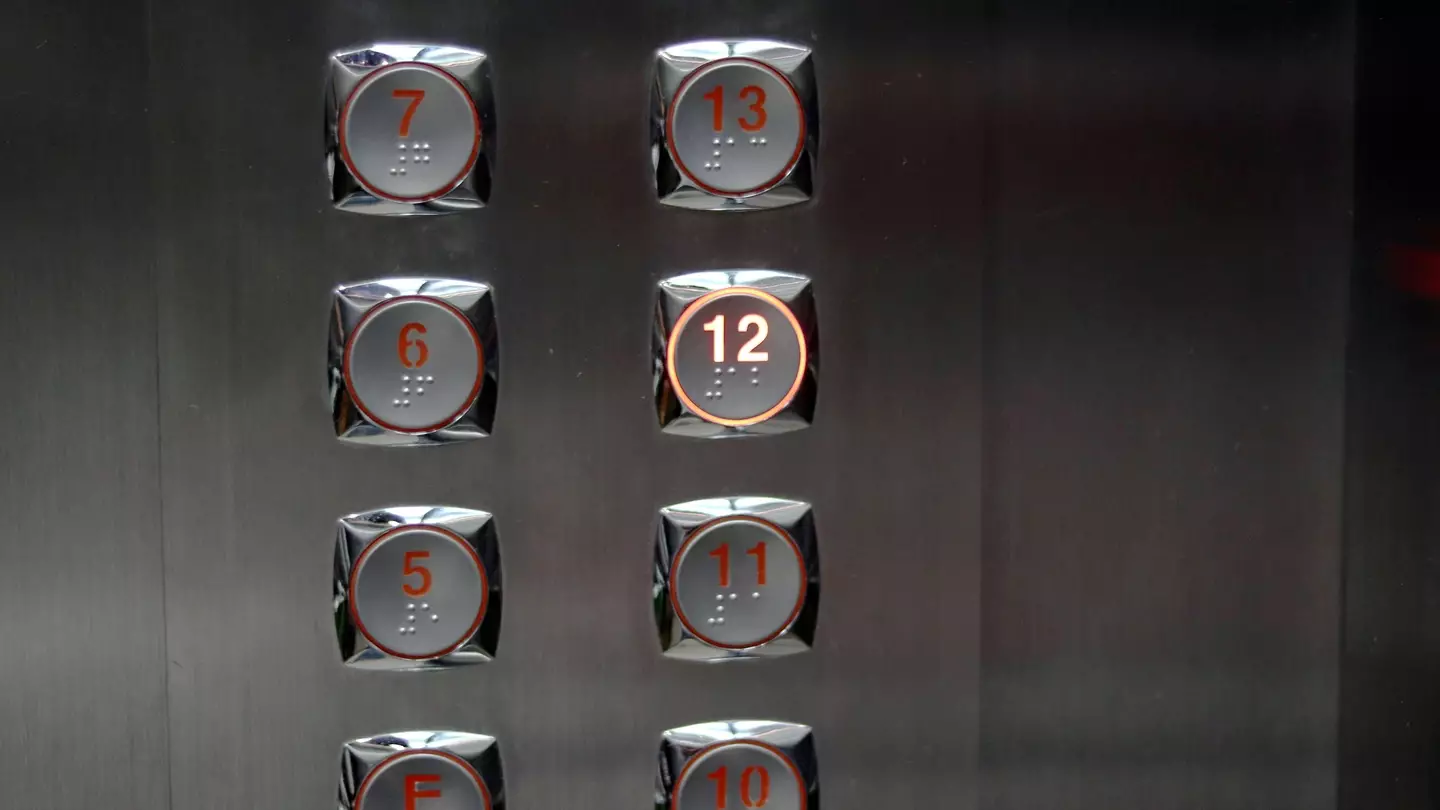
The practice is far more common than one might assume. A StreetEasy analysis found that in a survey of hundreds of residential buildings, the vast majority had no official 13th floor. Instead, elevator buttons and floor plans display alternatives like “12A” or “M” for mechanical. Otis Elevator, a leading manufacturer, confirms that most of its installations in the city are designed to skip the number entirely. This creates a peculiar reality where the floor itself exists, often housing utilities or storage, but it remains a ghost in the building’s official identity, unnamed and unacknowledged.
The phobia that drives this trend, triskaidekaphobia, has several potential origins. One of the most cited is Christian tradition, which holds that Judas Iscariot was the 13th apostle at the Last Supper. Another theory stems from Norse mythology, where the god Balder was killed after the 13th guest, Loki, arrived at a gathering. This historical baggage has made the number 13 a pariah in the minds of many, a symbol of misfortune that people would rather avoid, especially in their own homes.
For the real estate industry, catering to this fear is simply good business. Why risk a vacancy or a lower selling price because of a number? As one expert noted, it likely started with a single landlord who noticed that apartments on the 13th floor were harder to rent. Others followed suit, and what began as a marketing tactic gradually evolved into a standard custom. It’s a practical solution to an irrational problem, ensuring that every unit in a building is equally desirable, at least on paper.
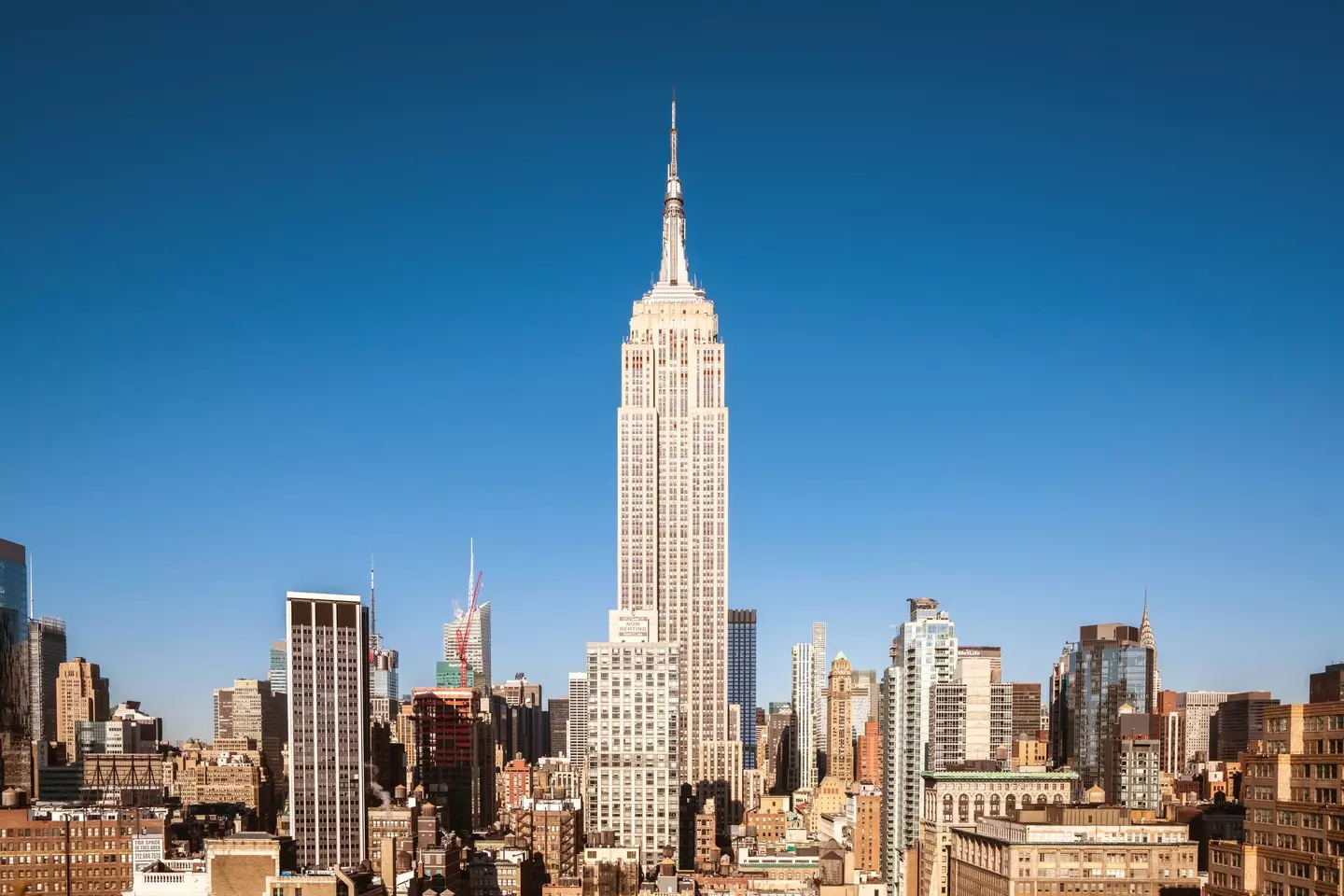
Despite the overwhelming trend, some of New York’s most famous buildings defy the superstition. The Empire State Building, an emblem of American ambition, includes a 13th floor, as does the historic Flatiron Building. Their refusal to participate in the practice serves as a reminder that not everyone is swayed by old wives’ tales. Yet, for the rest of the city’s skyline, the missing 13th floor remains a silent tribute to the power of belief, an invisible force that has literally reshaped the map of one of the world’s greatest cities.