The killing of conservative activist Charlie Kirk on September 10 has triggered a series of reactions online, including a disturbing trend of some celebrating his death. These expressions have led to a wave of job losses for those posting insensitive or hostile comments.
From educators and firefighters to journalists and even Secret Service agents, individuals have encountered swift consequences for their social media posts that appeared to rejoice in Kirk’s assassination. In some cases, these posts violated workplace policies against promoting violence or harming institutional reputations.
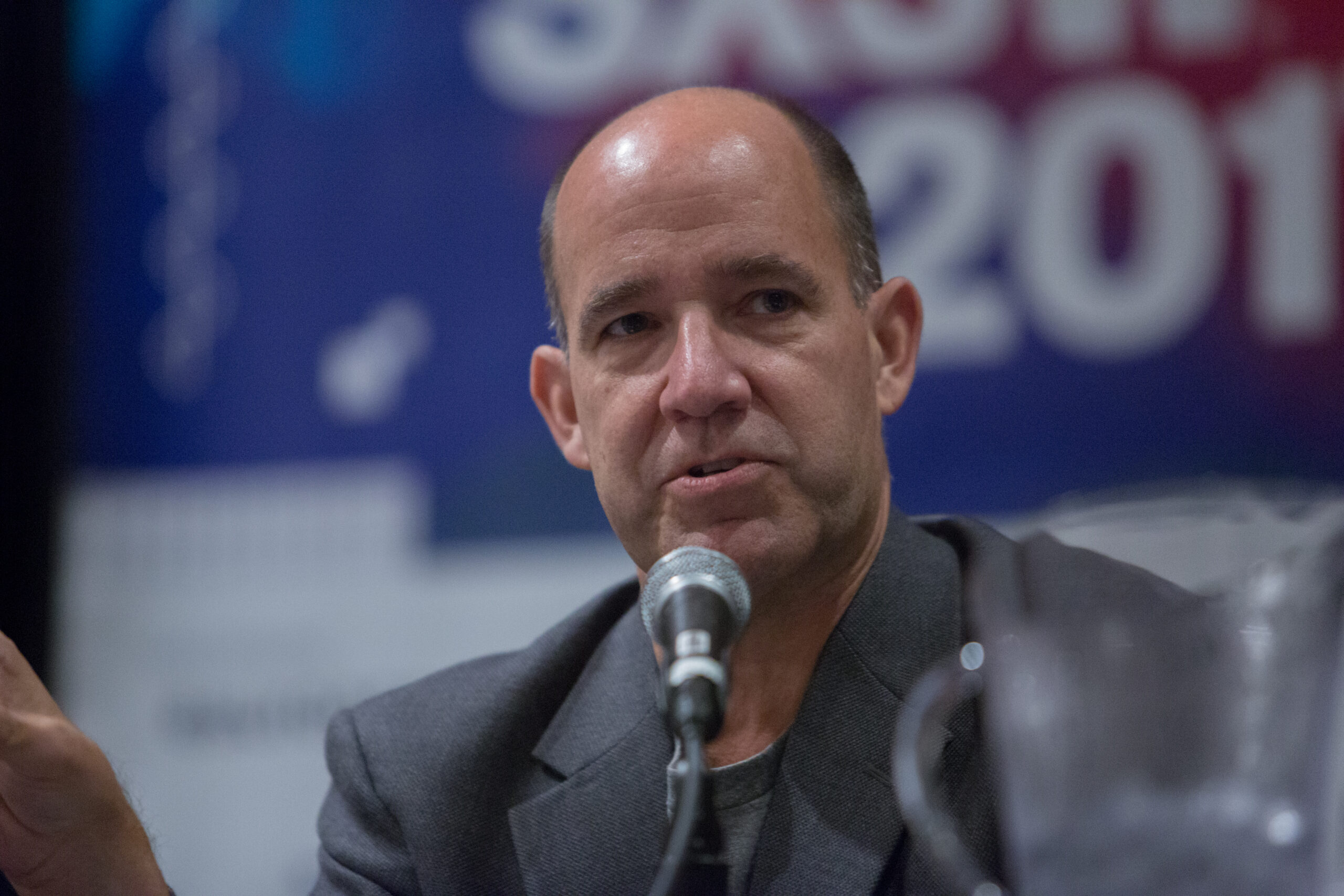
One prominent case is the firing of political analyst Matthew Dowd from MSNBC, who called Kirk “divisive” and linked him to an environment leading to violence. Similarly, DC Comics pulled a new Red Hood series after its writer celebrated Kirk’s death. The Carolina Panthers also fired a communications staff member over similar posts.
Adding to this, a website was launched targeting people who endorsed political violence in relation to Kirk’s murder, listing their employers and social profiles publicly. Right-wing voices have amplified this campaign, warning that celebrating violence has severe real-world consequences.
This controversy has sparked debate about the limits of free speech, especially when it intersects with public safety and social norms. Many argue that while people can have different views, excusing or supporting violence crosses a line that employers and society are unwilling to tolerate.
The ongoing fallout represents a stark reminder that online words can bring serious personal and professional risks, especially in a tense political climate following a high-profile murder.