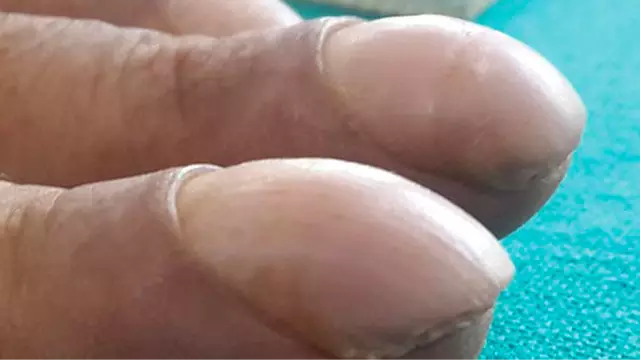
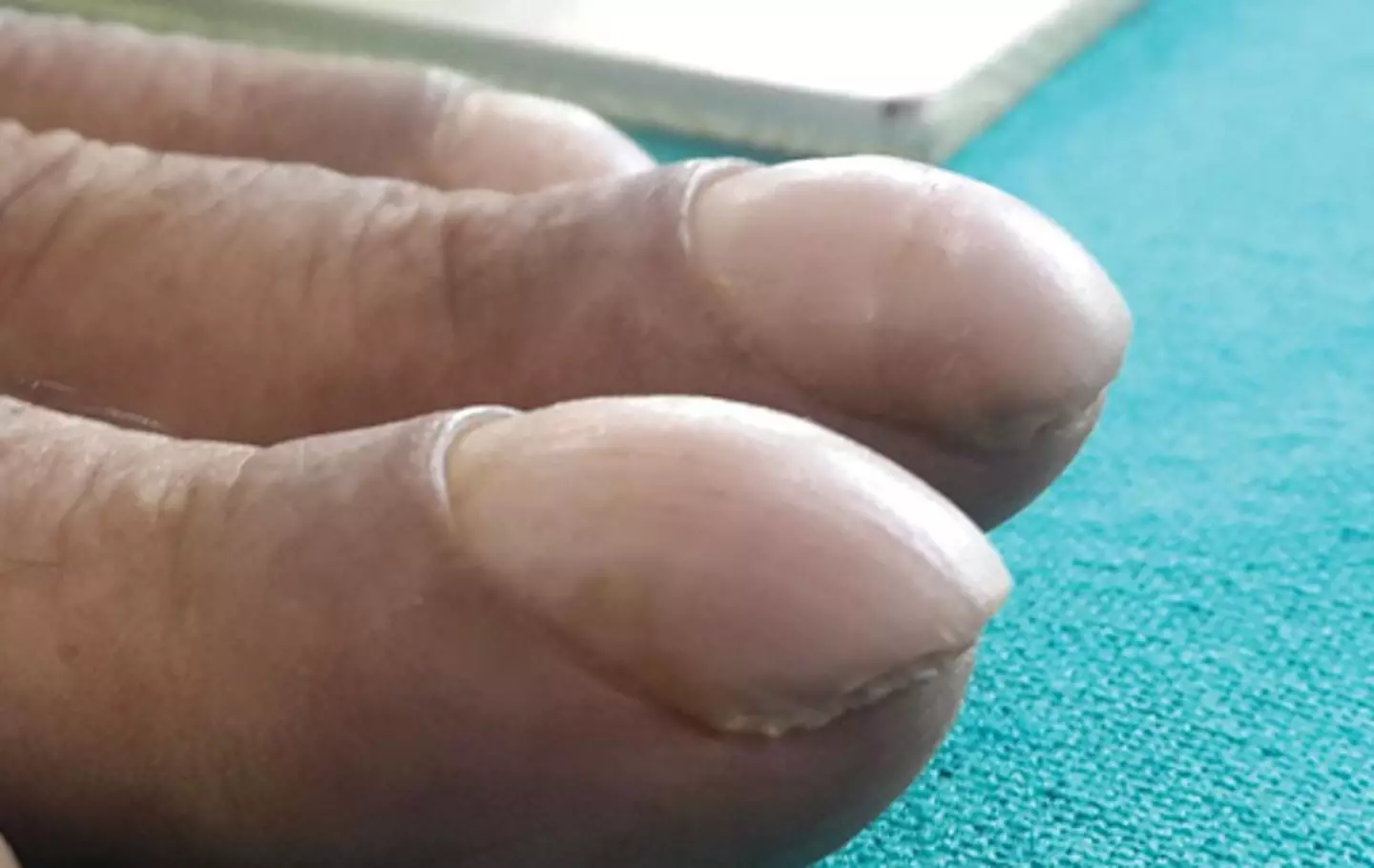
Clubbing is when your fingernails or toenails change shape and texture, growing wider and softer, almost as if they were swelling like an upside-down spoon. These changes often start on the thumb and forefinger but can affect all nails over time. While it may look strange, clubbing is a warning sign for serious health issues, particularly with the lungs and heart.
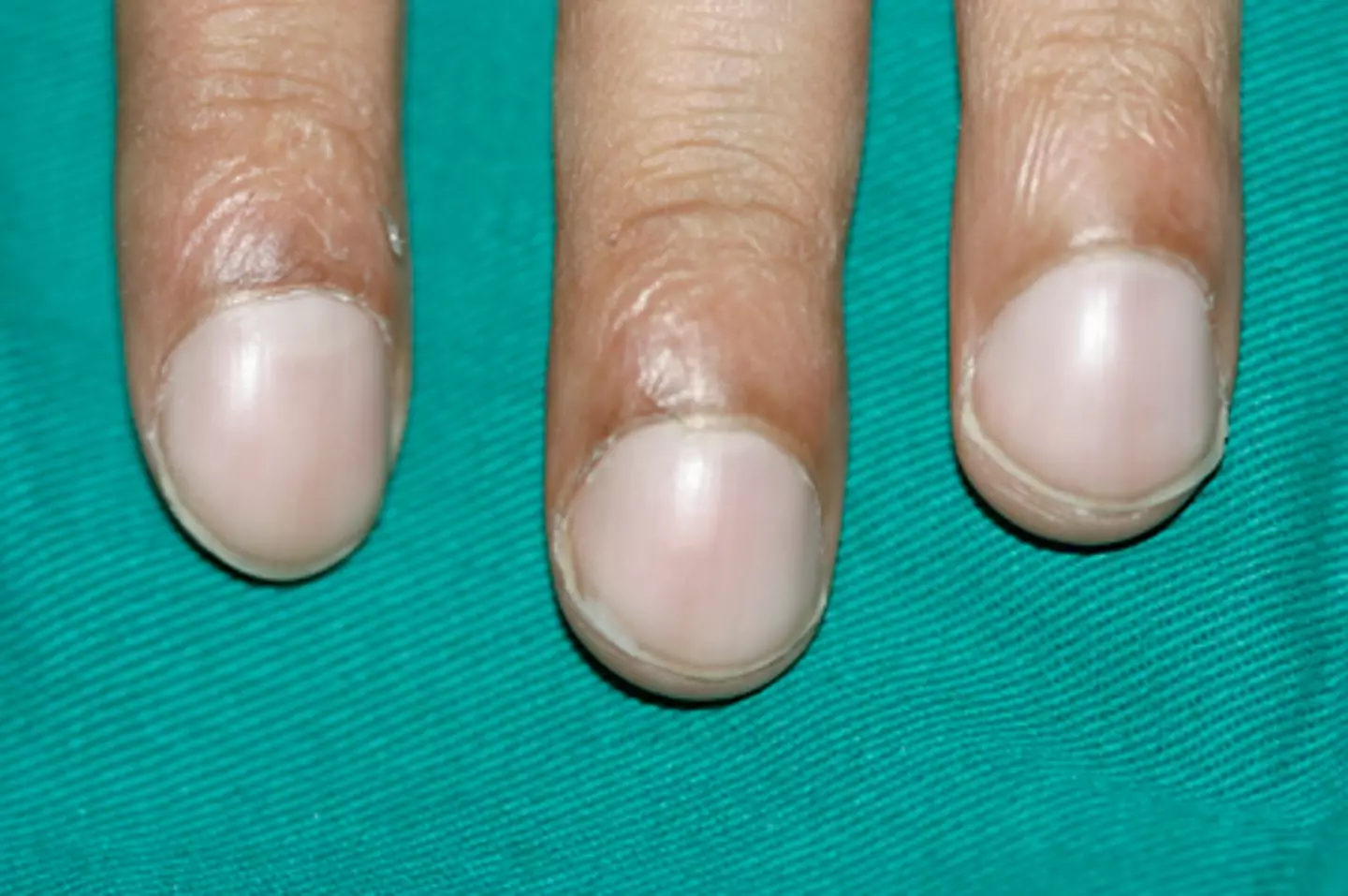
Common conditions linked to clubbing include lung cancer, infections, cystic fibrosis, and heart disease. People often overlook these nail changes because they happen gradually, but paying attention to them could save lives. Doctors describe early clubbing as the loss of the normal angle between the nail and skin, and nails can feel spongy or “float” when pressed.
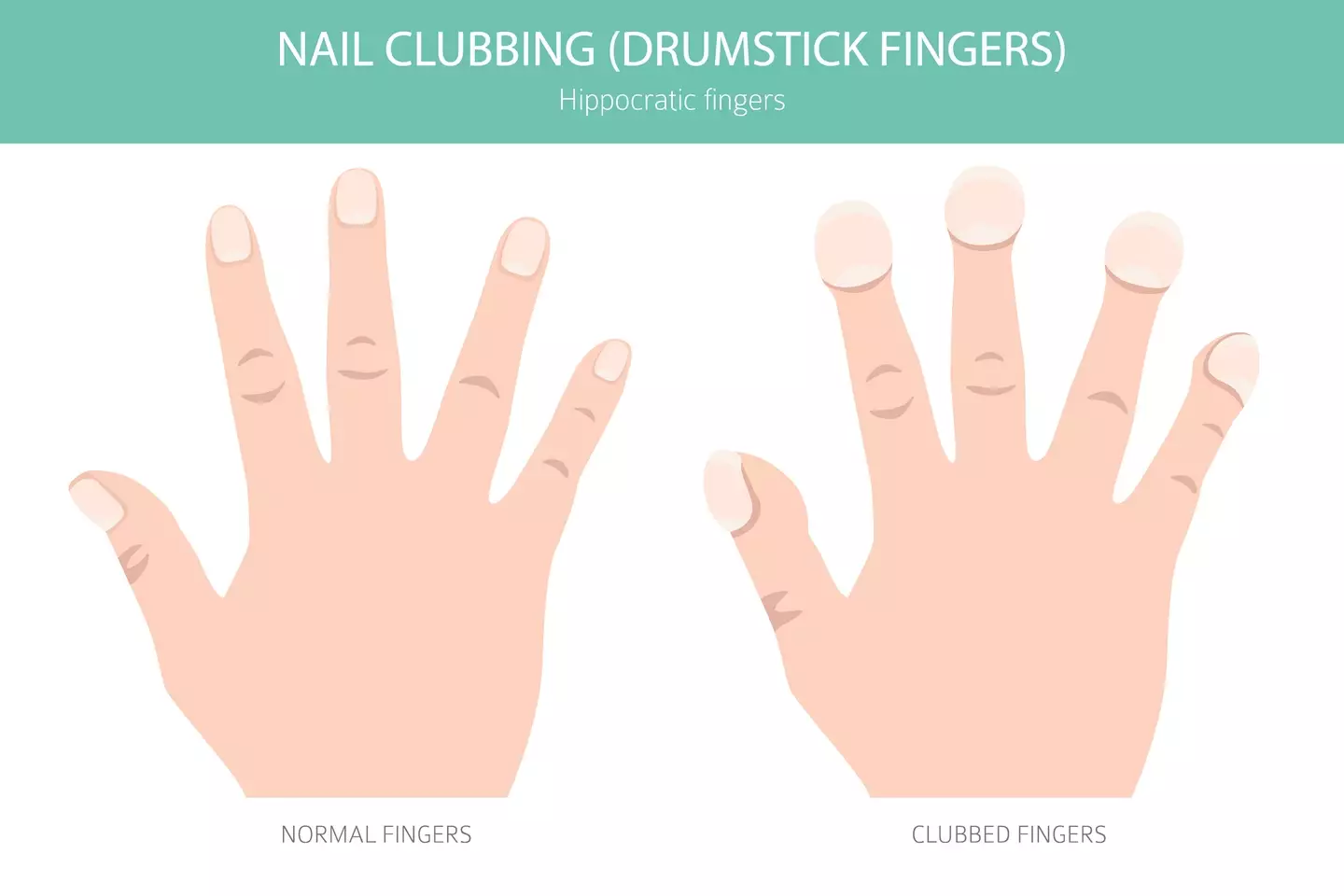
There is a simple clinical test called the Schamroth window test to identify clubbing: if placing the nails of opposite fingers together removes the usual diamond-shaped window, clubbing is present.
In some rare cases, dark lines forming under the nails may point to melanoma, which emphasizes the need for medical evaluation. Studies reveal lung cancer causes nearly 90% of clubbing cases, but not all lung cancer patients develop it. Consult a healthcare provider immediately if you see signs of clubbing or other nail abnormalities.