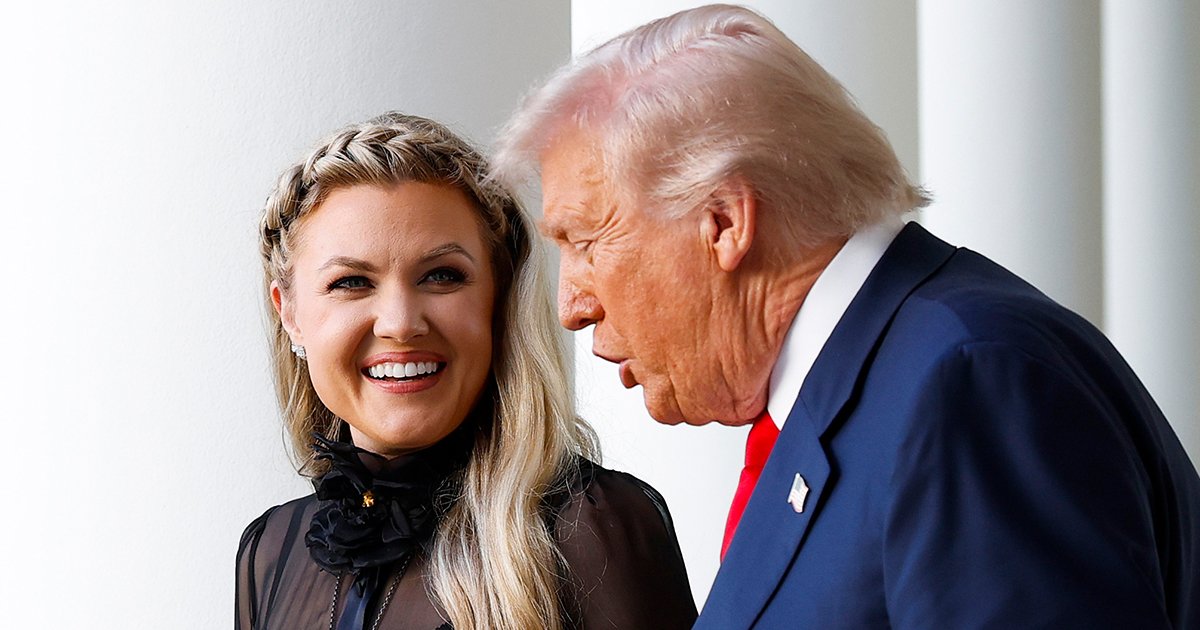
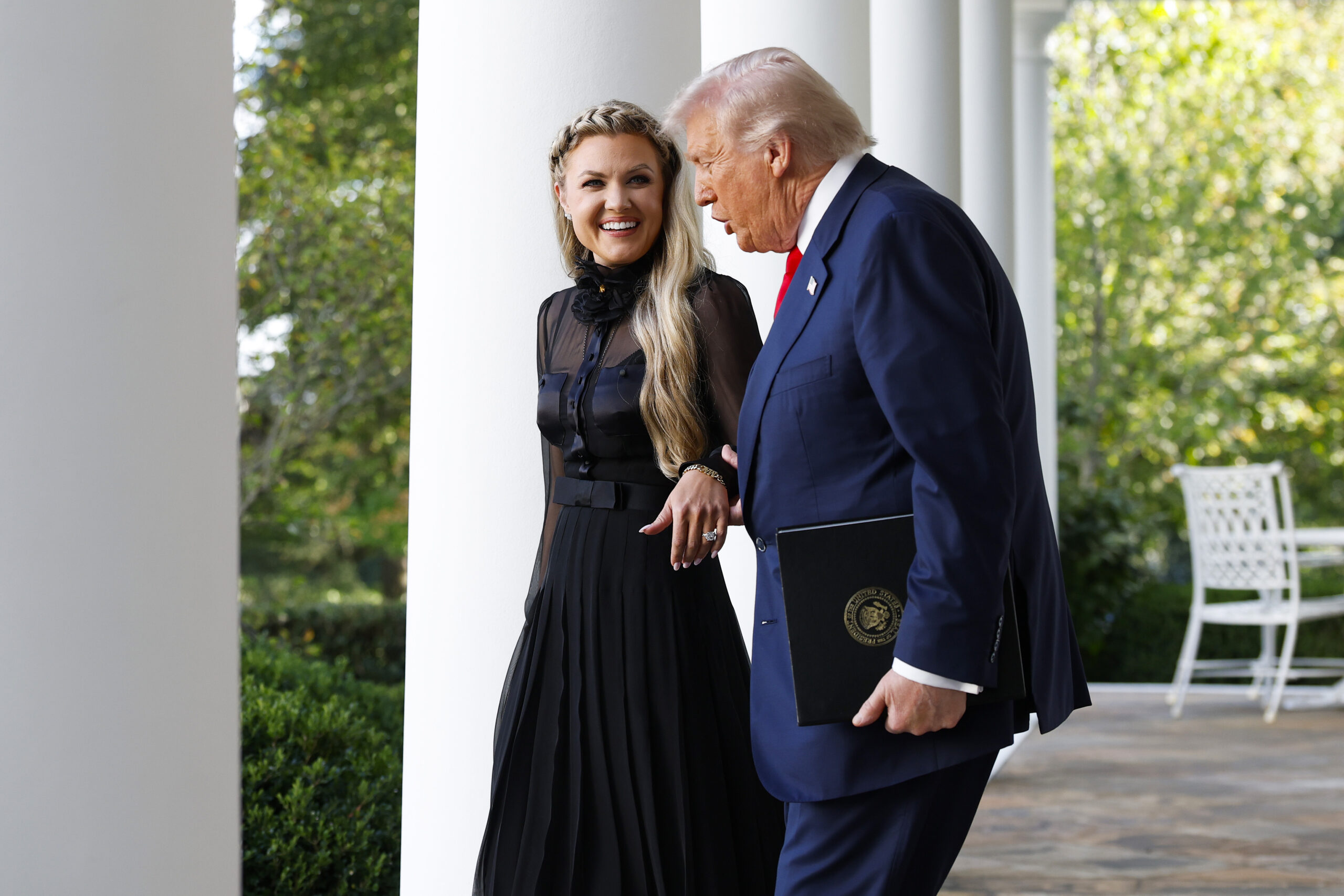
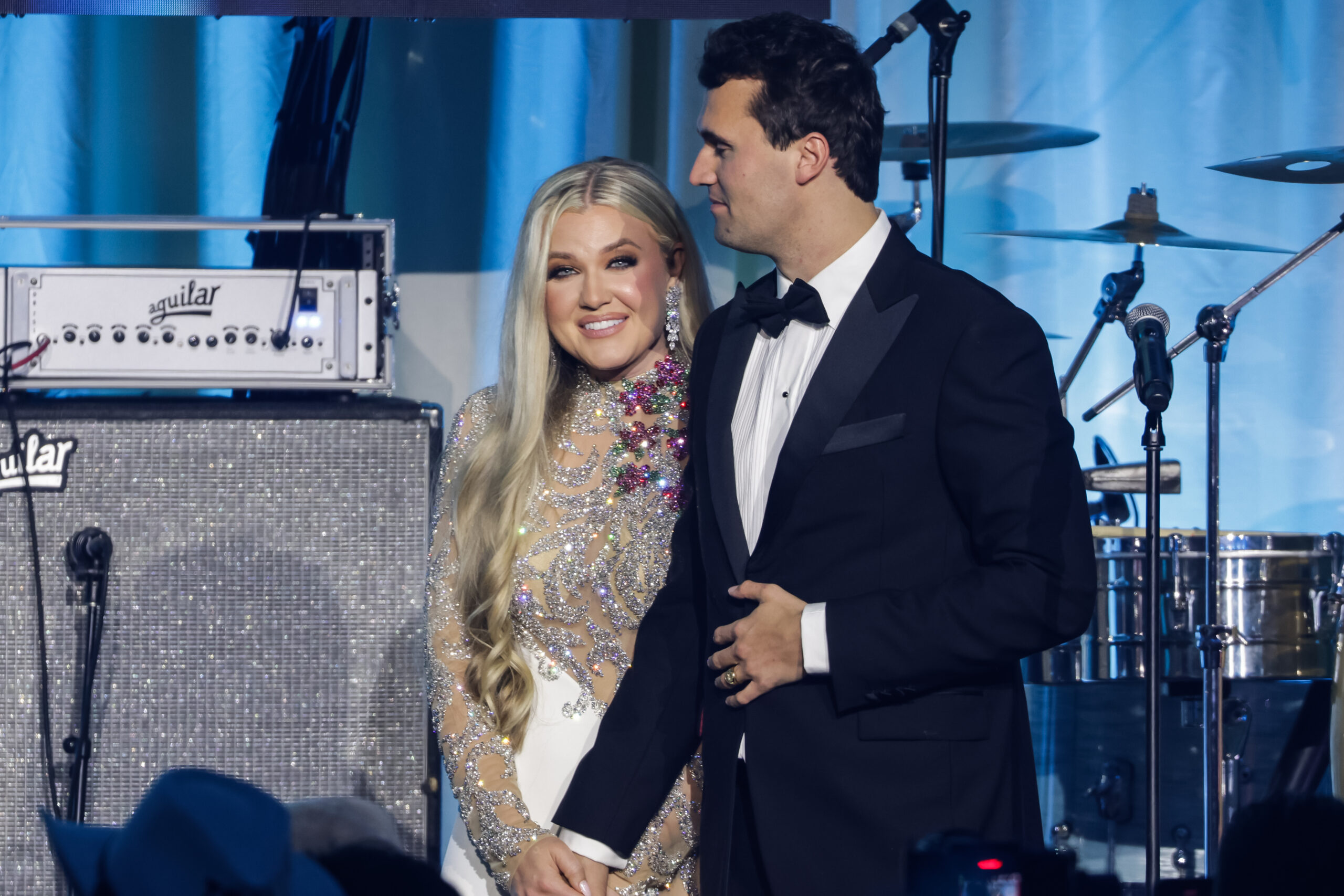
In the harsh glare of the public spotlight, a widow’s smile can become a controversial act. This is the difficult lesson learned by Erika Kirk in the weeks following the shocking murder of her husband, Charlie Kirk. After a memorial service that drew tens of thousands and as she assumed leadership of his political organization, Erika’s public moments of smiling and laughter were met not with understanding, but with criticism from certain quarters of the media and public figures who expected a perpetual state of mourning.
The most vocal criticism came from commentator Candace Owens, who took issue with Erika’s public demeanor shortly after Charlie’s death. This external judgment created a narrative that a grieving widow must conform to a specific, somber image, and that any display of positive emotion is a betrayal of that role. The controversy forced Erika to speak out, not to apologize, but to educate the public on the intricate and personal reality of loss.
Erika’s response was a masterclass in grace under pressure. She eloquently dismantled the idea that grief follows a straight path, explaining that her emotional state is as unpredictable as it is profound. She described the brutal swings between despair and comfort, between tears and smiles. She gave a voice to the silent struggle of many who have lost a loved one, articulating how moments of joy can surface unexpectedly, not in spite of the love she feels, but because of it.
She introduced a poignant philosophical point to the conversation, stating, “They say time heals. But love doesn’t ask to be healed. Love asks to be remembered.” This statement reframes her smiles not as a sign of moving on or a lack of sadness, but as an active, living tribute to her husband. The joy she feels with her children or in recalling a happy memory is a fulfillment of love’s final request: to be kept alive in the heart of the one who remains.
By sharing the truth of her experience, Erika Kirk has done more than just defend herself; she has broadened the conversation around grief for everyone. Her words are a call for empathy and a reminder that we cannot see the full picture of someone’s pain from a few public moments. As she carries Charlie with her through every ache and every new day, her journey reminds us that grief is not the opposite of love, but its final, powerful expression—one that can, at times, still include a smile.