The life of a celebrity is often glamorized, but for those who grow up on screen, the reality can be harsh and unforgiving. Millie Bobby Brown’s experience is a prime example of this double-edged sword. Known worldwide for her role in “Stranger Things,” she has spent her formative years in the public eye. A recent public appearance, however, sparked a familiar and troubling pattern of online abuse, shifting the focus from her professional achievements to cruel personal attacks about her body.
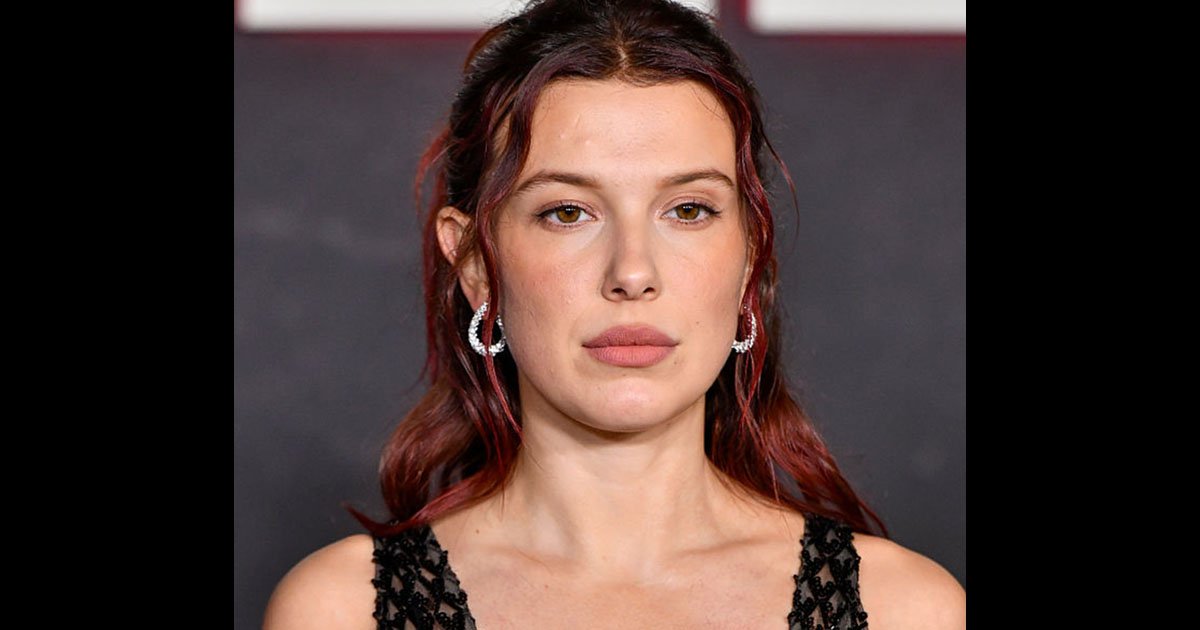
During a celebratory event for her hit show, Brown walked the red carpet in a sophisticated black gown. While the night was meant to honor the cast’s work, social media quickly became a forum for unsavory discussions about the actress’s physique. Behind the veil of online anonymity, users posted distasteful comments, reducing a talented performer to a target for body-shaming and demonstrating a profound lack of respect.

This incident is part of a persistent pattern Brown has faced throughout her young adulthood. Ever since she evolved from the child star the world first met, she has been subjected to intense scrutiny over her natural development. Critics have even wrongly speculated about surgical procedures, seemingly unable to accept that the young girl from “Stranger Things” has naturally become a woman. This constant analysis creates an environment where her very existence is picked apart.
In response, a strong chorus of defenders has rightly called out the absurdity and meanness of such critiques. Supporters have pointed out that the negative reactions often stem from a warped perception of women’s bodies, shaped by unrealistic media standards. It is a sad irony that in a modern, connected world, public understanding of normal female anatomy appears to have diminished, leading to such misguided and hurtful judgments.
Brown has not remained silent in the face of this ongoing criticism. She has previously used her platform to address the issue directly, calling on media outlets to stop using headlines that slam her body. Her plea is for basic respect and a focus on her work rather than her appearance. As she moves forward in her personal life, embracing marriage and motherhood, the hope is that the conversation will finally shift to celebrate her accomplishments and character, rather than perpetuating a cycle of shallow and damaging commentary.