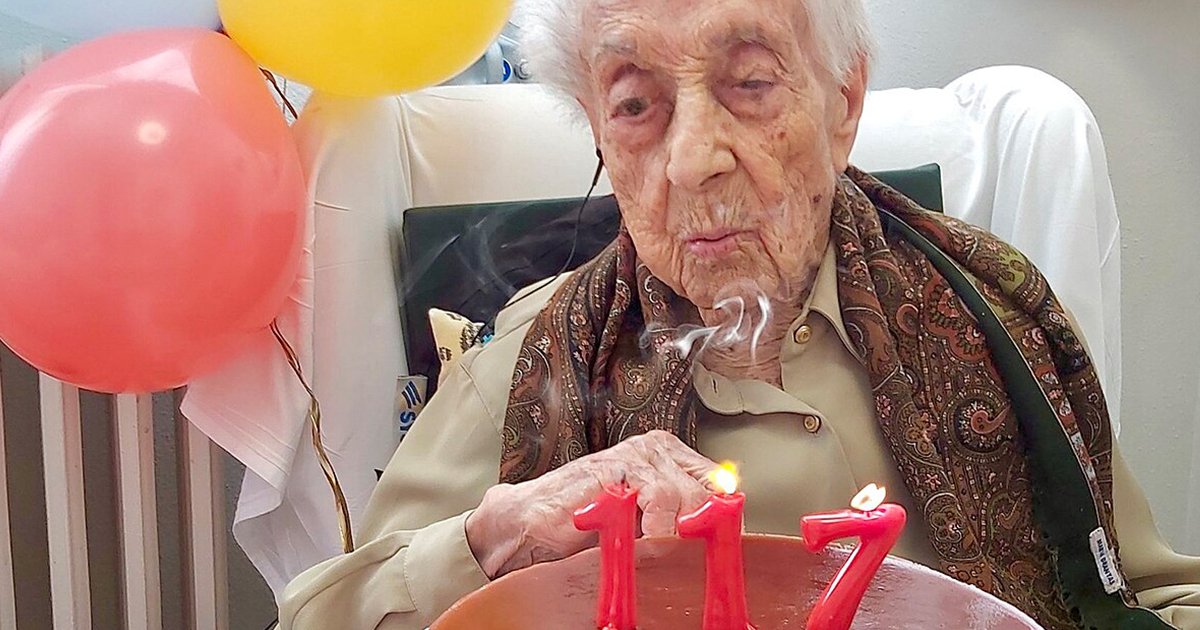
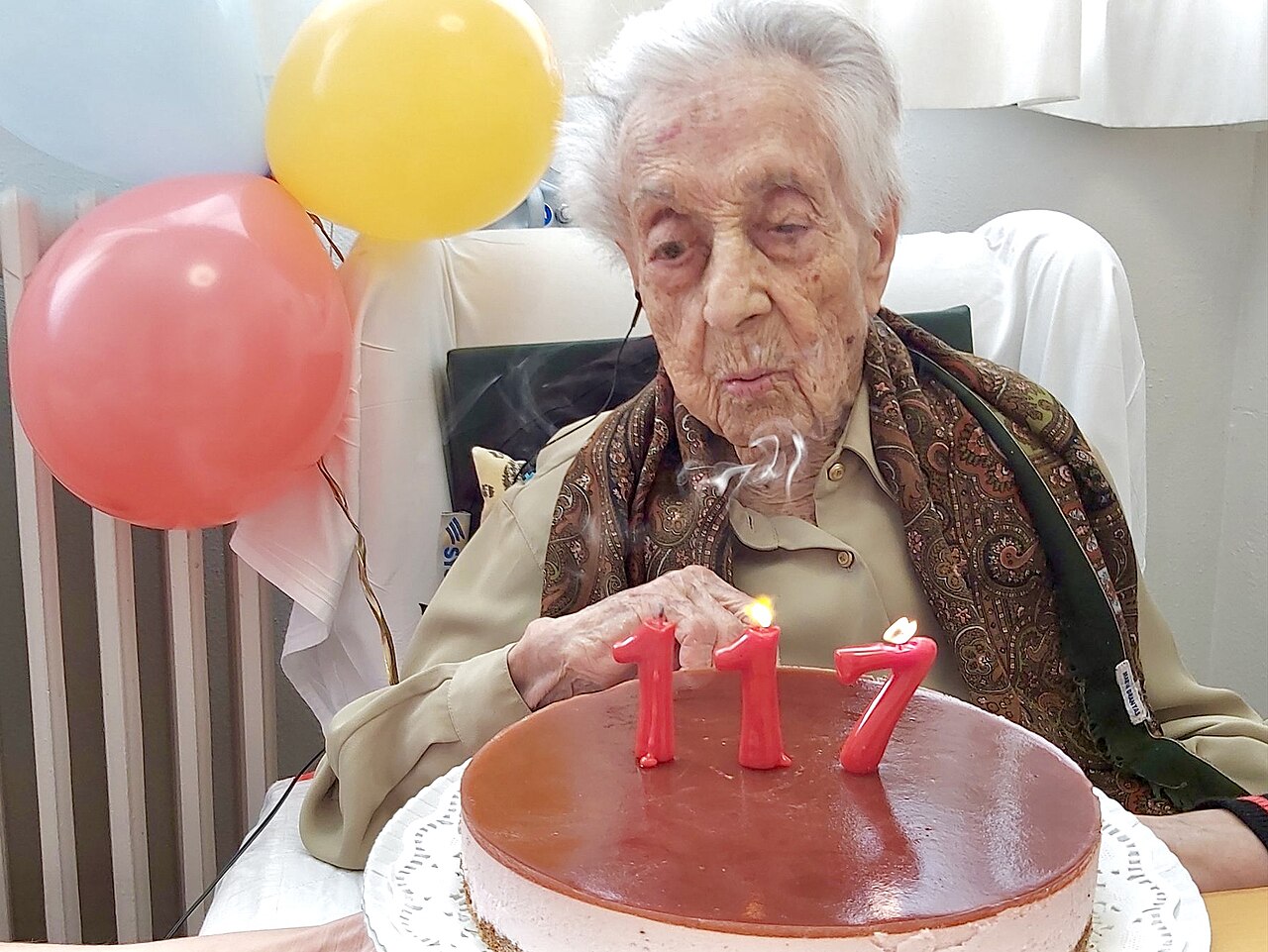
The extraordinary life of Maria Branyas Morera has provided scientists with an unprecedented opportunity to study the mechanics of extreme longevity. As the world’s oldest person before her death at 117, Maria consented to have her DNA analyzed, hoping her biological data could benefit humanity. The resulting research, conducted by a dedicated team in Spain, has delivered profound insights, challenging the inevitability of age-related decline and highlighting a powerful combination of genetic luck and conscious living.
Researchers were fascinated by Maria’s exceptional health profile. Dr. Manel Esteller, the lead investigator, stated that their work allowed them, for the first time, to separate being old from being sick. Their analysis showed that Maria’s cells functioned at a level equivalent to someone 10 to 15 years younger. A key factor was her optimal lipid levels, with remarkably low triglycerides and bad cholesterol, which contributed to her robust cardiovascular system throughout her life. This internal environment was a cornerstone of her enduring health.
A curious dietary habit emerged as a potential factor in her longevity: a daily consumption of probiotic yogurt. Maria favored a particular Spanish brand known for its beneficial bacteria that combat inflammation. This simple food, paired with her morning smoothie of eight cereals, points to a diet that supported her gut health and overall immunity. Her ability to recover from COVID-19 in her 110s stands as a testament to her resilient immune system, which was likely bolstered by such lifelong habits.
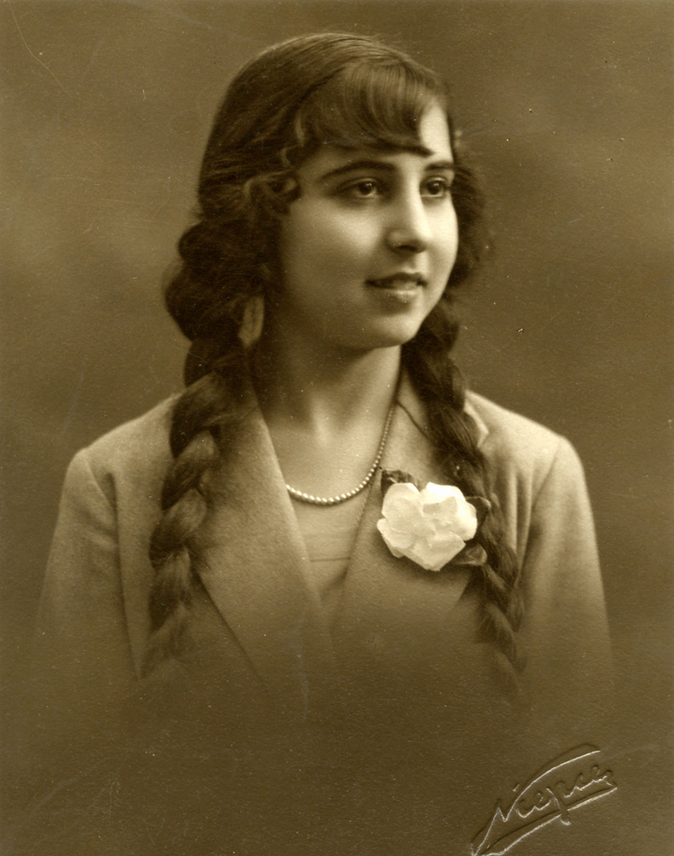
The study also explored the enigmatic role of telomeres in her longevity. Contrary to conventional wisdom, Maria’s short telomeres did not seem to hinder her. Scientists proposed that this characteristic might have paradoxically protected her by suppressing cancer cell proliferation. This finding suggests that the biological rules for supercentenarians may differ from those for the general population, opening new avenues for anti-aging research that looks beyond traditional markers.
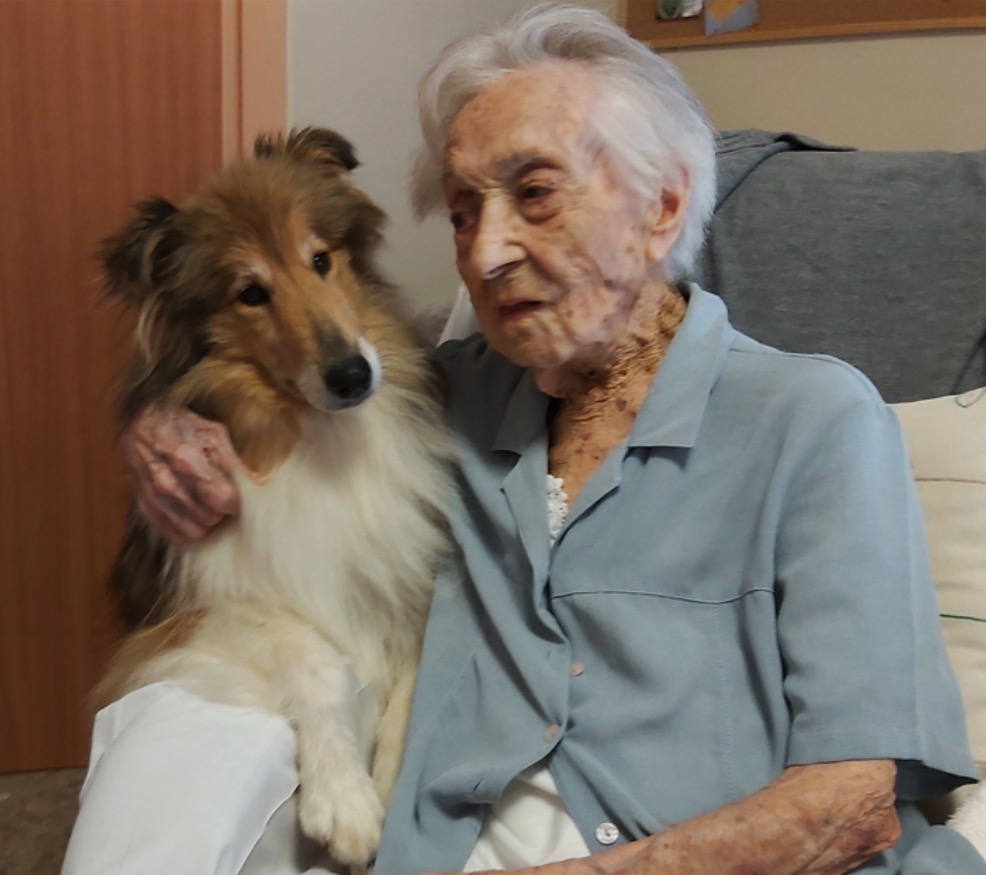
Maria’s personal philosophy, which she shared openly, emphasized mental and emotional peace. She believed in a life of order, strong family ties, positivity, and avoiding toxic relationships and unnecessary stress. Dr. Esteller concluded that the clues for extreme longevity are a mix between inheritance and lifestyle, possibly a fifty-fifty split. Maria Branyas Morera’s legacy is therefore a dual one: a unique genetic map for science and a timeless lesson in the art of living well.