
1. Erika Kirk’s Viral Critique
Erika Kirk’s recent comments on the Met Gala ignited a massive online debate within hours of posting. The video quickly went viral, accumulating millions of views as she directly addressed the lavish spending associated with the high-profile event. Kirk framed her argument around a simple yet provocative question: why allocate tens of millions to dresses when schools and infrastructure remain underfunded?
Her delivery was blunt and unapologetic. She quantified the disparity, pointing out that the average gala gown cost could exceed the annual budget of many public schools. This direct comparison gave her critique a tangible, almost shocking perspective that social media users quickly amplified.
Supporters praised her for bringing pragmatism to a world often obsessed with appearance, while critics claimed she oversimplified complex philanthropic and cultural practices. Regardless of stance, Erika Kirk’s video forced a conversation about values, priorities, and how wealthy donors choose to allocate their funds.
The viral nature of the clip demonstrated Kirk’s ability to cut through traditional media narratives and reach millions directly, proving that even in an era of sensational events, a strong, data-backed message could dominate public discourse.

2. The Met Gala and Its Lavish Spending
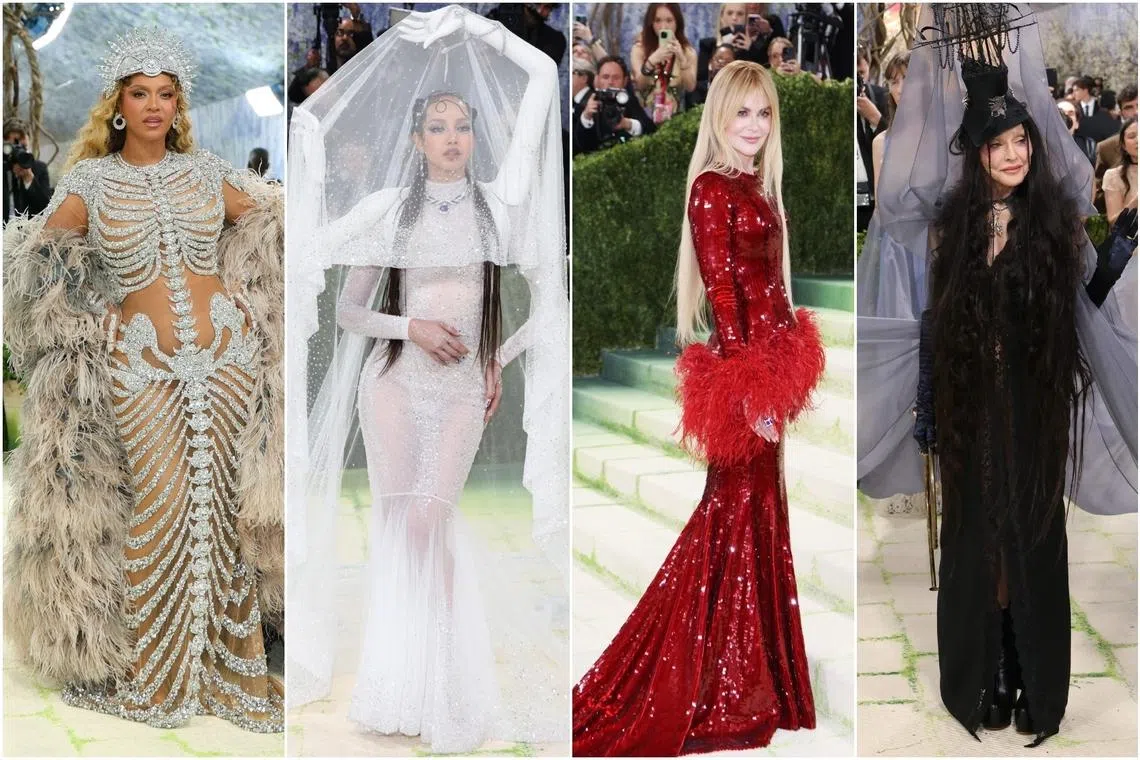
The Met Gala is often described as the pinnacle of opulent fashion, with gowns and accessories sometimes costing more than entire educational programs in certain districts. Erika Kirk highlighted this extreme disparity, emphasizing the moral and social implications of extravagant spending while essential services lag behind.
Fashion analysts argue that the Met Gala plays a significant role in promoting art and culture, providing exposure to designers, and generating publicity for the Metropolitan Museum. However, Kirk’s argument focuses on tangible outcomes rather than symbolic value. Her message contrasts the ephemeral thrill of celebrity appearances with the enduring benefits of investment in public infrastructure.
Kirk quantified her point further by referencing a $50 million figure, noting that such an amount could fund the construction and improvement of several schools in underprivileged areas. This stark comparison resonated with educators, policy analysts, and everyday citizens, prompting them to reevaluate the opportunity costs associated with such luxury events.
Social media quickly exploded with discussions. Hashtags highlighting the debate between fashion and social responsibility began trending, and news outlets amplified the conversation. Kirk’s critique became a focal point in broader debates about wealth distribution, public responsibility, and accountability in high-profile events.
3. The Public Reaction
The response to Kirk’s viral video was polarizing. Many praised her practicality, celebrating her willingness to speak truth to power and challenge a world often obsessed with appearances. Influencers and politicians alike commented on her critique, some framing it as an overdue reality check for affluent donors and cultural elites.
On the other hand, critics accused her of undermining a cultural institution, arguing that gala events have both symbolic and tangible benefits, such as promoting arts education and generating fundraising opportunities for museums. They contended that Kirk’s argument ignored the nuanced ecosystem that supports arts and philanthropy.
Despite the criticism, engagement with the video was extraordinary. Millions of viewers shared, commented, and debated her statements, with some calling for reforms in charitable spending while others questioned whether such public critiques would have any measurable impact.
Analysts noted that Kirk’s approach—combining data with moral reasoning—enabled her message to resonate across a broad demographic. By connecting opulent spending with societal needs, she provided a framework for people to discuss ethics and priorities in philanthropy without resorting to generic criticism.

4. TPUSA’s Proposed Leadership Role
A central aspect of Kirk’s critique involved positioning TPUSA as a potential leader in redirecting funds from extravagant events toward infrastructure projects. She argued that the organization’s network, resources, and political influence uniquely qualify it to oversee large-scale investments in education and public works.
Her proposal sparked debates among philanthropic and political circles. Could TPUSA realistically manage multi-million-dollar infrastructure projects? Some critics expressed concerns about mixing political agendas with educational investment, while supporters emphasized the organization’s capacity for large-scale operations and accountability.
Kirk highlighted the importance of transparency and measurable outcomes, suggesting that TPUSA could act as an intermediary, ensuring that donations reach the intended projects efficiently. This message appealed to both donors seeking impact and activists advocating for better oversight in charitable giving.
Additionally, Kirk’s proposal aligned with her broader political philosophy, emphasizing civic engagement, individual responsibility, and societal impact. By framing the discussion in these terms, she expanded the conversation beyond mere fiscal critique, highlighting the potential for organizational leadership in social reform.

5. Historical Context of Gala Critiques
Criticism of the Met Gala is not unprecedented. In previous years, public figures and analysts have questioned the morality and efficacy of spending millions on luxury events while essential social services remain underfunded. However, few have presented as direct and quantified a challenge as Erika Kirk.
Historically, critiques often focused on symbolism and media optics, overshadowed by the glamour of the event itself. Kirk’s approach, in contrast, combined clear numerical comparisons, practical proposals, and a call to action that resonated with a wide audience.
Observers noted that her video added historical depth to ongoing discussions about wealth, cultural responsibility, and philanthropy. By combining moral reasoning with concrete data, Kirk offered a new lens through which to evaluate the social impact of high-profile cultural events.
Her critique serves as a benchmark, demonstrating that the combination of social media influence and precise argumentation can drive significant discourse even in spaces traditionally dominated by spectacle and celebrity.

6. Potential Impact on Donors
If Kirk’s argument influences wealthy donors, the consequences could be substantial. Redirecting funds from ostentatious gala spending toward measurable infrastructure improvements could reshape philanthropic norms.
Financial advisors and philanthropic experts suggest that public accountability plays a major role in shaping donor behavior. Kirk’s viral video may inspire greater scrutiny of where and how donations are deployed, encouraging contributions that generate tangible societal benefits rather than ephemeral cultural capital.
Additionally, her proposal for TPUSA to oversee such initiatives could encourage organizations to rethink their role in managing funds and implementing projects. Even partial implementation of her recommendations could establish a precedent for increased transparency and strategic philanthropy.
The debate also highlights broader questions regarding the responsibilities of public figures in guiding social priorities. Kirk’s engagement demonstrates that individuals with visibility can influence collective decision-making and challenge entrenched spending patterns.
7. Criticism and Counterarguments
Despite widespread engagement, critics have raised several counterpoints. Many argue that the Met Gala serves multiple purposes beyond mere extravagance, including fundraising, cultural promotion, and professional networking. Redirecting funds might be legally or logistically complex due to donor restrictions and organizational mandates.
Some analysts also suggest that Kirk’s critique risks oversimplifying a complex financial ecosystem, where both symbolic and tangible outcomes coexist. While the argument for redirecting funds is compelling, implementing such changes could face institutional resistance.
Yet, even critics acknowledge the value of provoking dialogue. Kirk’s viral video has succeeded in sparking widespread debate, challenging assumptions, and encouraging public discourse about priorities, transparency, and accountability in both philanthropy and culture.
8. Conclusion and Future Implications
Erika Kirk’s viral intervention may have lasting effects on both TPUSA and the broader conversation around philanthropy and public responsibility. Early reports indicate that several donors are considering partial redirection of funds toward pilot infrastructure projects.
TPUSA has reportedly initiated discussions on overseeing small-scale school and community improvements, signaling tentative steps toward turning public debate into practical action. While large-scale implementation remains uncertain, the conversation represents a potential shift in public expectations and donor behavior.
The story concludes with a cautiously optimistic note. Kirk’s critique, though controversial, has prompted reflection, planning, and potential reform. Even if initial changes are modest, the viral video serves as a blueprint for how public figures can combine data, ethics, and influence to challenge societal norms and inspire action.