
When a severely impaired 13-year-old girl named Genie Wiley was discovered in 1970, she became an unintended key to one of science’s great mysteries. Her tragic circumstances offered a rare, and ethically fraught, opportunity to study the development of language and human behavior. Rescued from a life of unimaginable confinement and abuse, Genie was a blank slate, having been deprived of all but the most brutal human interactions. Her story is a dual narrative of scientific pursuit and profound human suffering, a case that continues to haunt the fields of linguistics and psychology.

The abuse Genie endured at the hands of her father, Clark Wiley, was methodical and complete. Believing her to be disabled, he imprisoned her in a small room, isolated from all sensory input. For over a decade, she was restrained to a chair, beaten for vocalizing, and fed a minimal diet. She never heard the rhythms of normal speech or felt the comfort of a loving touch. The result was a child who, at puberty, functioned on an infantile level. She could not speak, struggled to walk, and her understanding of the world was limited to the four walls of her prison. Her rescue was not just an act of saving a life, but an opening into a previously inaccessible realm of human experience.

The scientific community mobilized quickly around Genie. Researchers were fascinated by the critical period hypothesis, which suggests that the human brain has a limited window for acquiring language. Genie was a living test of this theory. Under careful observation and care, she began to show signs of cognitive life. She learned to recognize words and began to use them, though she never mastered the rules of grammar. She communicated through gestures and pictures, demonstrating a clear intelligence and personality that had survived the horrors of her childhood. For a time, it seemed that nurture could overcome even the most brutal nature.
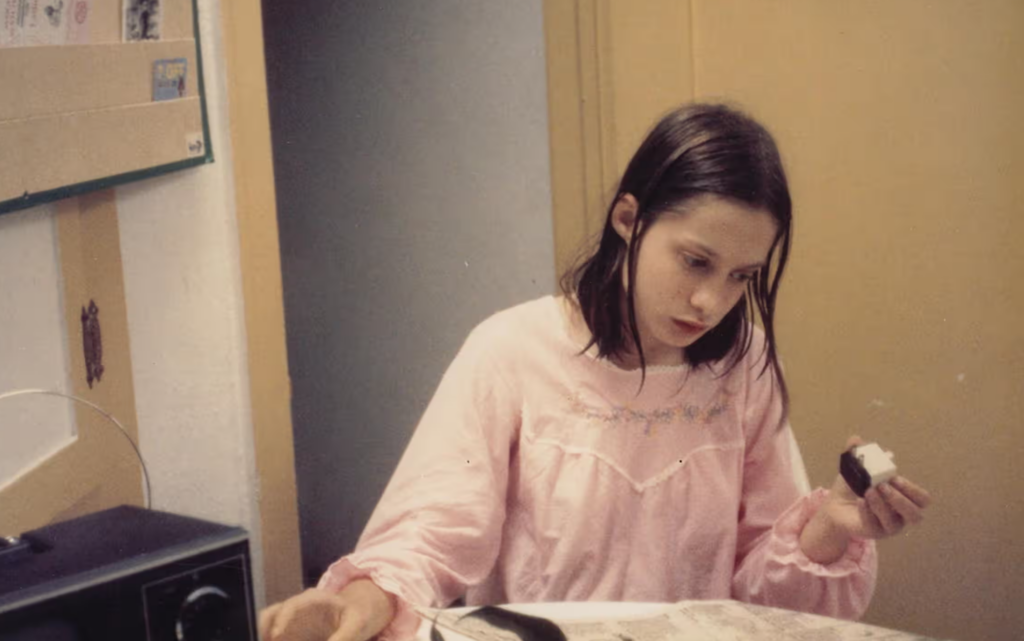
Yet, the story took a devastating turn. As Genie grew older, the very people who sought to understand her lost access to her. Placed back into her mother’s care and then into the state’s adult foster system, she regressed dramatically. The stable, stimulating environment that had allowed her to progress was replaced by a series of institutions where she was once again neglected and abused. The scientists who had formed deep bonds with her, such as Susan Curtiss, were permanently cut off, left with only their data and their memories. Genie faded back into obscurity, her potential forever stunted by a system that failed to protect her a second time.
The legacy of Genie Wiley is a complex and painful one. It provides crucial, if heartbreaking, evidence about the innate requirements for becoming a fully realized person. It also serves as a cautionary tale about the relationship between research subjects and researchers, highlighting the moral responsibility that comes with study. While her case advanced our understanding of the human brain, the cost was a human life spent almost entirely in darkness. Today, Genie is believed to be alive in a confidential care facility, a permanent symbol of lost potential and the enduring need for ethical compassion.