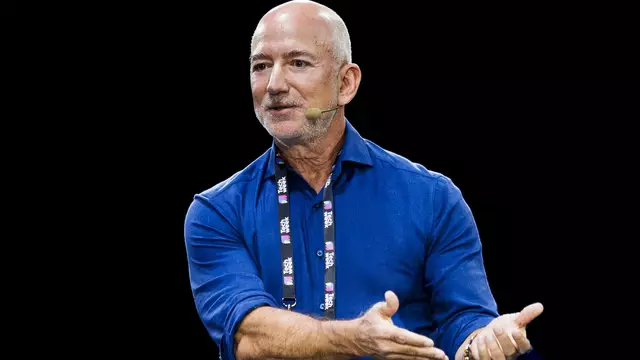
In a world often dominated by headlines of crisis and conflict, Jeff Bezos has presented a refreshingly optimistic view of the future. The tech billionaire believes that human civilization is heading toward a period of unprecedented abundance and expansion, driven by powerful technological advances. His predictions include a dramatic human migration to space and the transformative power of artificial intelligence, painting a picture of a future that is more about opportunity than obligation.
Bezos directly challenged the notion that we should be discouraged about the state of the world. Instead, he argues that now is an incredibly exciting time to be alive. He bases this optimism on the accelerating pace of invention, which he sees as the primary engine of human progress. Just as past inventions lifted societies out of poverty and scarcity, he believes modern tools like AI will create a new level of civilizational wealth, solving complex problems and improving quality of life across the globe.
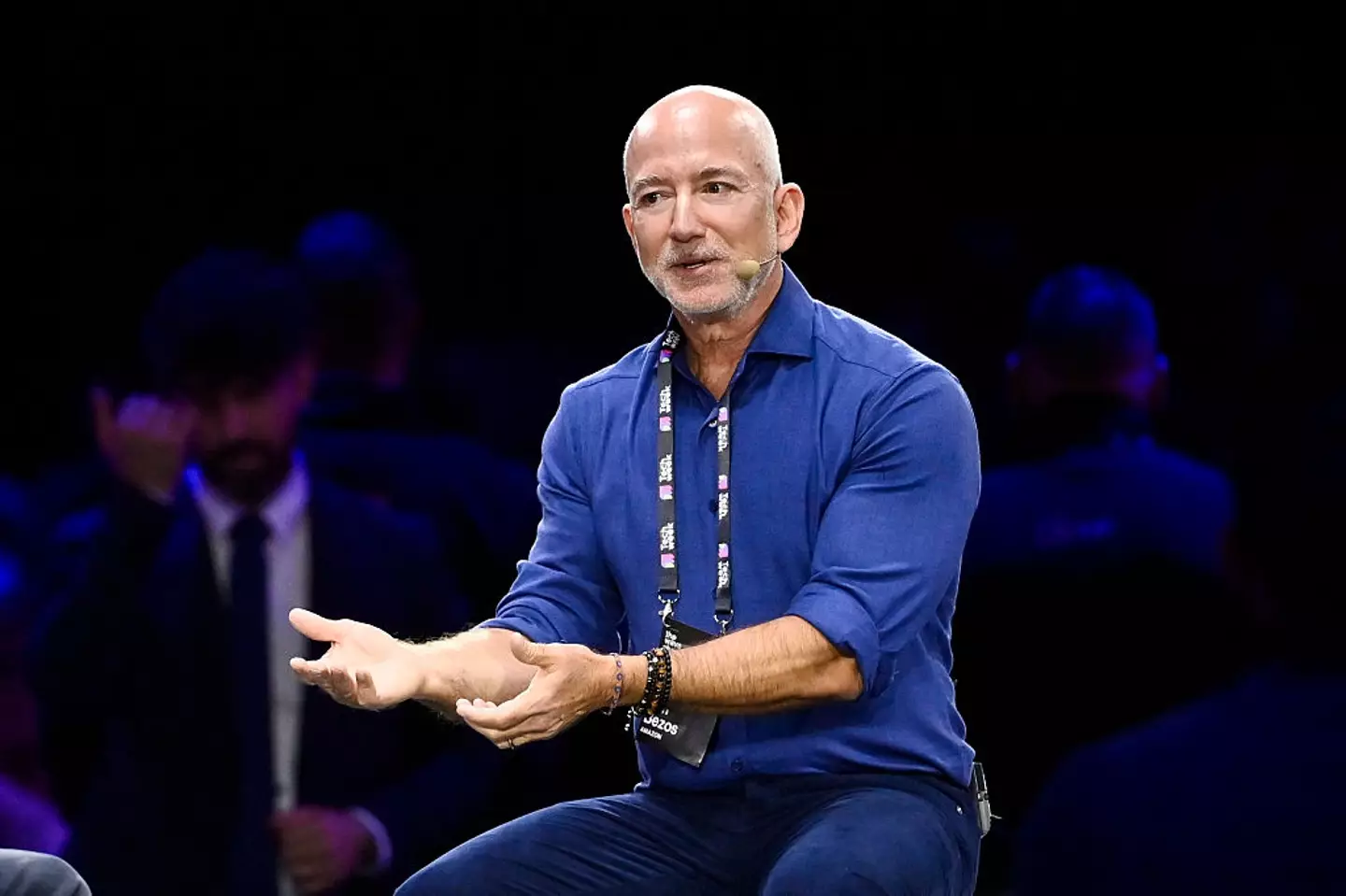
The most captivating element of his vision is the idea of millions of people living in space. Bezos predicts this will become a reality within the next few decades, and it will be a voluntary movement. People will be drawn to the novelty and challenge of building a new life off-world. This stands in stark contrast to apocalyptic scenarios, suggesting a future where humanity is thriving and has the luxury of expanding its horizons purely for the sake of exploration and growth.
.jpg)
A key insight from his talk was the clarification of humanity’s role in space. He stated plainly that we do not need to send people to perform manual labor on other planets or moons. That work will be done more effectively and cheaply by robots. This frees human settlers to focus on higher-level tasks—governing, innovating, creating culture, and building communities. It redefines space colonization from a grim industrial effort into a social and entrepreneurial endeavor.

This future is already in its earliest stages of planning. NASA and private companies are actively researching how to construct habitable structures on the moon using local materials. Concepts for glass domes that could house entire cities are being seriously developed. Bezos’s prediction serves to normalize this ambitious trajectory, suggesting that what sounds like science fiction today could be the reality for the next generation. His overarching message is one of hope, envisioning a future where technology unlocks new possibilities for human flourishing both on Earth and beyond.