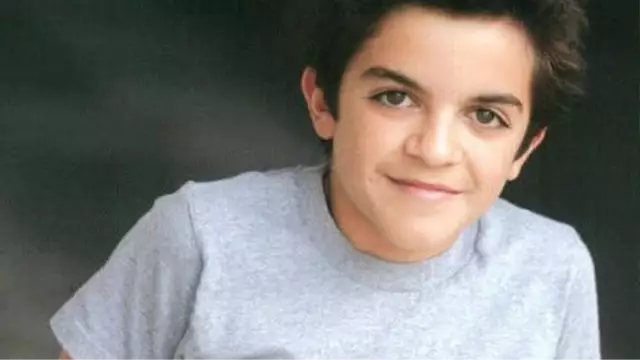
A disquieting video circulating online has brought the plight of former child star Tylor Chase into the public eye. Chase, recognizable to a generation as Martin Qwerly from Ned’s Declassified Survival Guide, appears in the clip looking unkempt and confirming he is the same actor from the hit Nickelodeon show. The footage, suggesting he is experiencing homelessness in Los Angeles, has prompted an outpouring of worry from fans who remember his cheerful on-screen persona from 2004 to 2007.
In a revealing twist, the fan who posted the video attempted to organize financial support through a GoFundMe but was contacted by Chase’s mother. The mother’s message was a candid and cautionary plea. She thanked the fan for her kindness but urgently warned against giving her son money directly, stating it could “possibly hurt him.” She revealed Chase’s severe struggles with managing his life, including an inability to keep phones or handle his medication. Her heartbreaking conclusion was that her son, whom she described as a “good, sweet kid,” is in desperate need of medical intervention, not monetary donations.
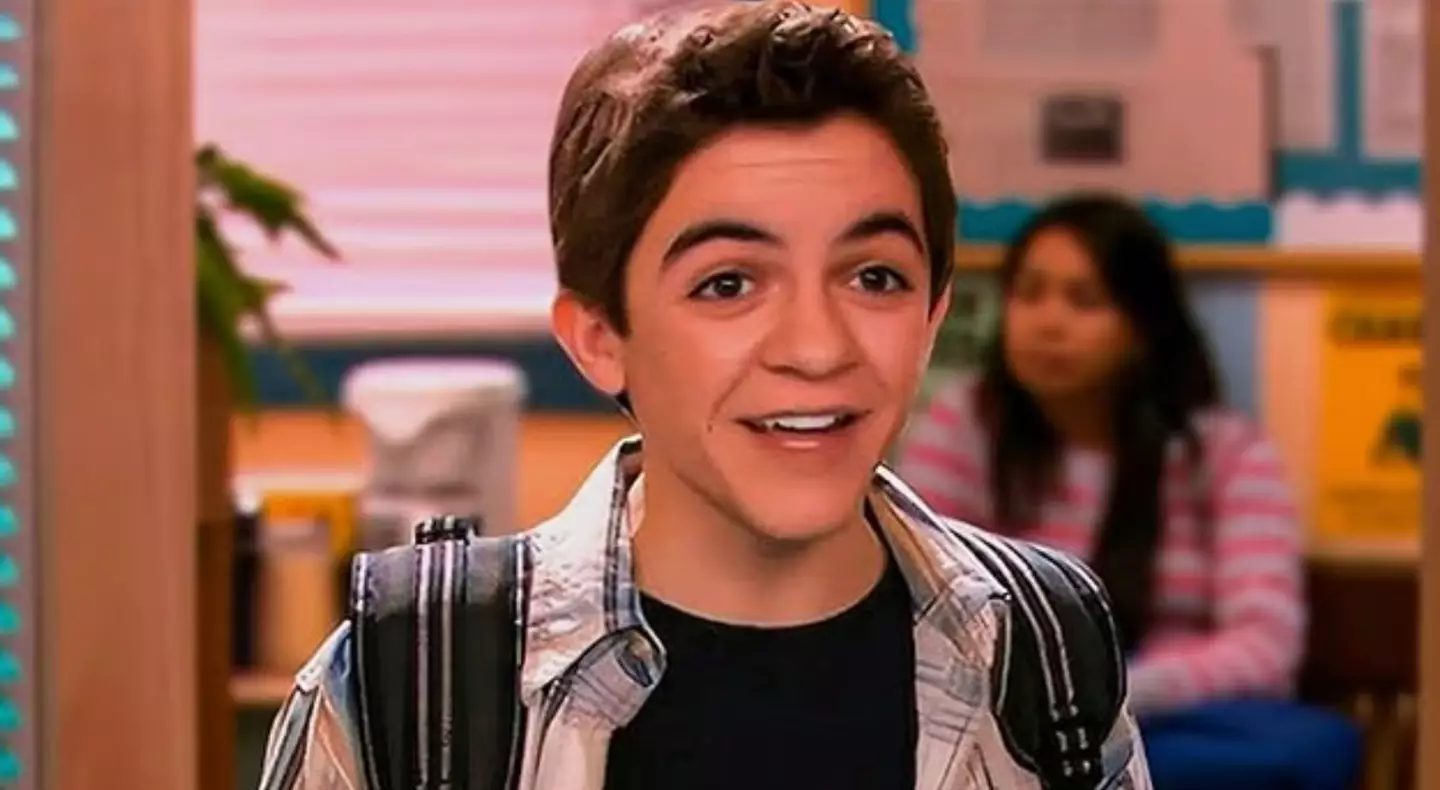
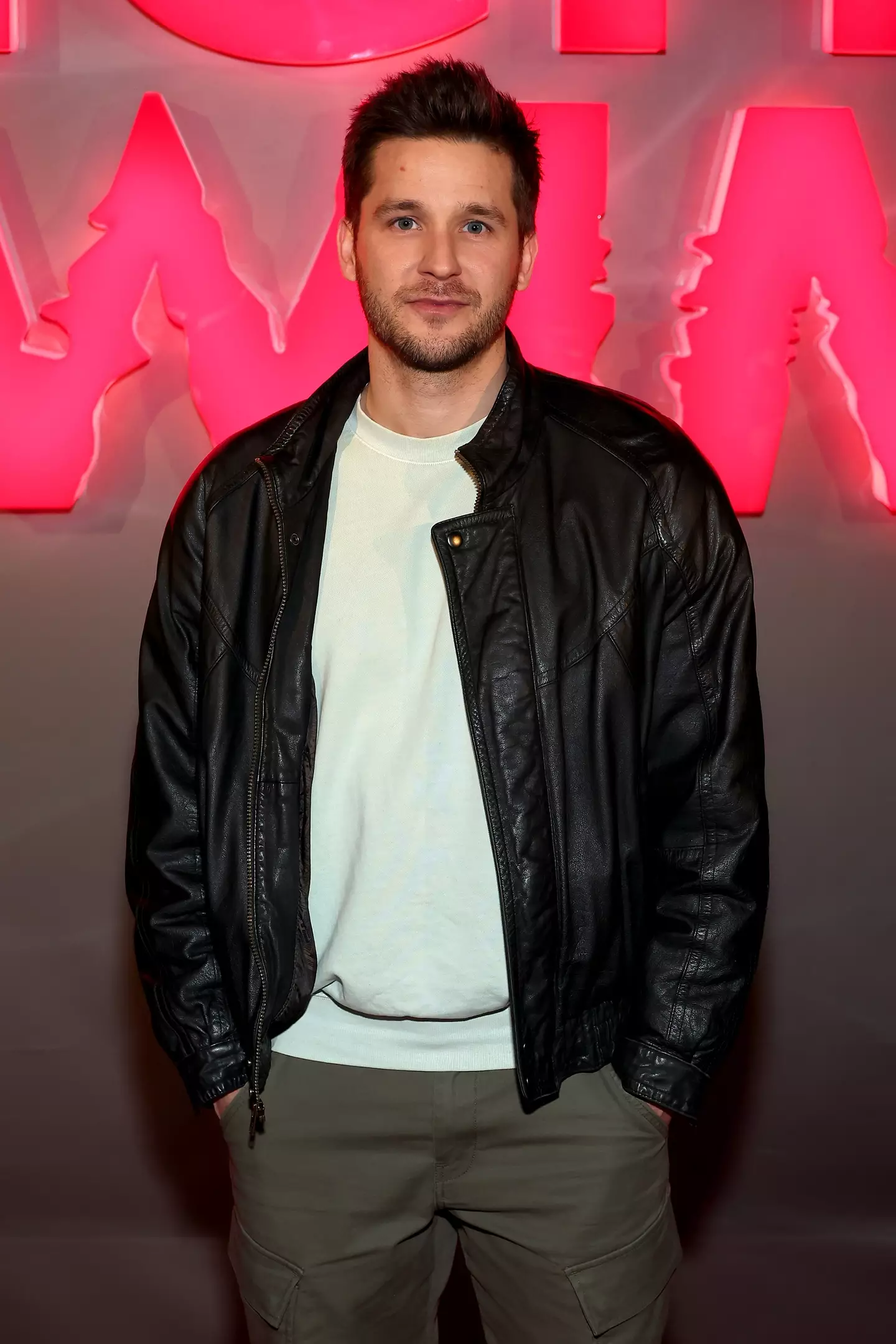
The situation gains further dimension with comments from Chase’s former co-star, Devon Werkheiser. Expressing his sorrow, Werkheiser recalled Chase’s gentle nature as a child and acknowledged the profound difficulty of helping someone grappling with deep mental health and addiction issues who does not want help. This sentiment reflects the painful limbo families often face, caught between love and the harsh reality of a loved one’s autonomy, even in self-destruction.
Local law enforcement has confirmed their frequent encounters with Chase, noting they offer him services and support during each interaction. Despite persistent efforts to connect him with mental health resources, substance abuse programs, and housing, he has declined all assistance. This highlights a critical and often overlooked aspect of such crises: the challenge of delivering help to those who, for complex reasons rooted in illness or trauma, cannot or will not accept it.
The viral concern for Tylor Chase underscores a broader conversation about the well-being of child stars and the lasting shadows that can follow early fame. More importantly, it showcases a mother’s painful wisdom in a public forum, redirecting well-intentioned energy toward the kind of structured, professional help that might make a real difference. His story is a tragic reminder that some of the most public falls happen in the most private of battles, and that recovery must often begin with a consent that is heartbreakingly hard to give.