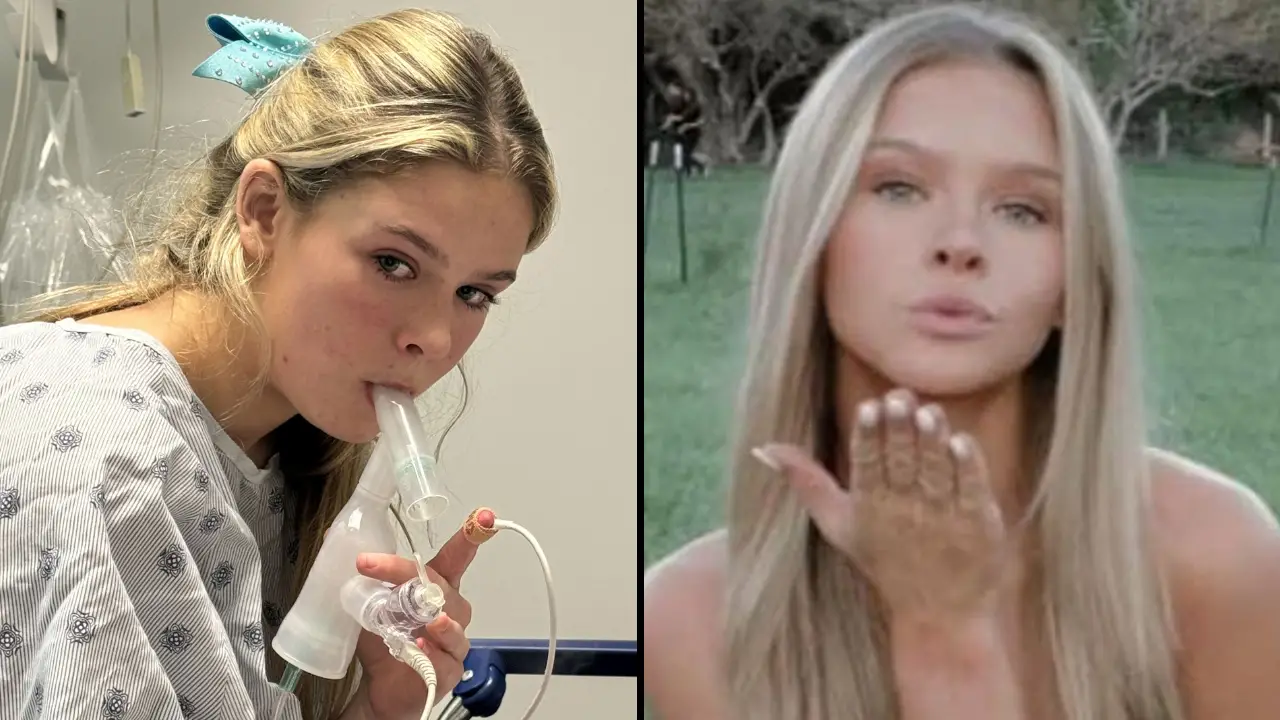
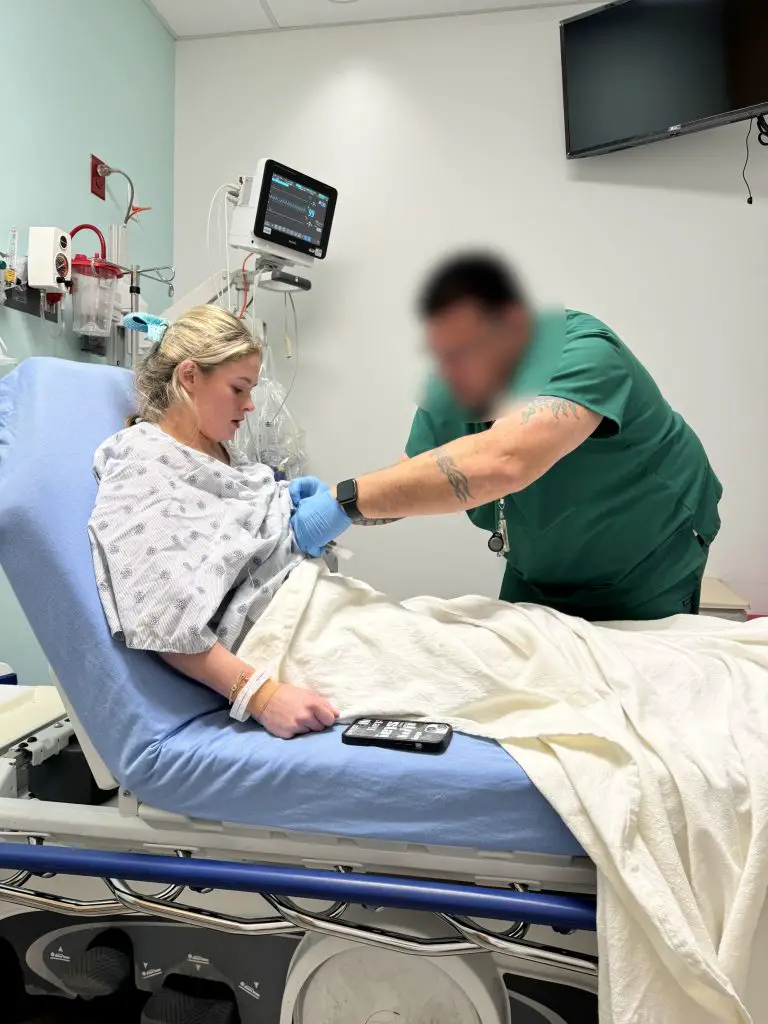
A frantic call about being unable to breathe was the first clue that something was terribly wrong. For Brianne Cullen, a 17-year-old from Nevada, the cause was a condition most people associate with industrial accidents, not teenage habits: bronchiolitis obliterans, known as “popcorn lung.” Her diagnosis, linked directly to three years of vaping, has made her a cautionary example as health experts issue renewed warnings about the dangerous chemicals hidden in flavored e-cigarettes.

Brianne’s vaping began as a secret way to cope with anxiety. What seemed like a simple monthly purchase of a flavored vape pen introduced her lungs to diacetyl, a chemical used to create creamy and buttery flavors. This same compound caused severe lung disease in workers at microwave popcorn plants, giving the illness its unusual name. In Brianne’s case, the damage built slowly until her body could no longer compensate, culminating in a respiratory crisis during a strenuous cheerleading practice.
The diagnosis means living with a permanent lung injury. “Popcorn lung” scars and narrows the tiniest airways, leading to a chronic cough, wheezing, and breathlessness. While doctors told Brianne’s family they caught it early, the scarring is irreversible. Her daily life now involves managing these symptoms, a stark contrast to her previous active routine. She has quit vaping, but the consequences of her past habit are a constant presence.
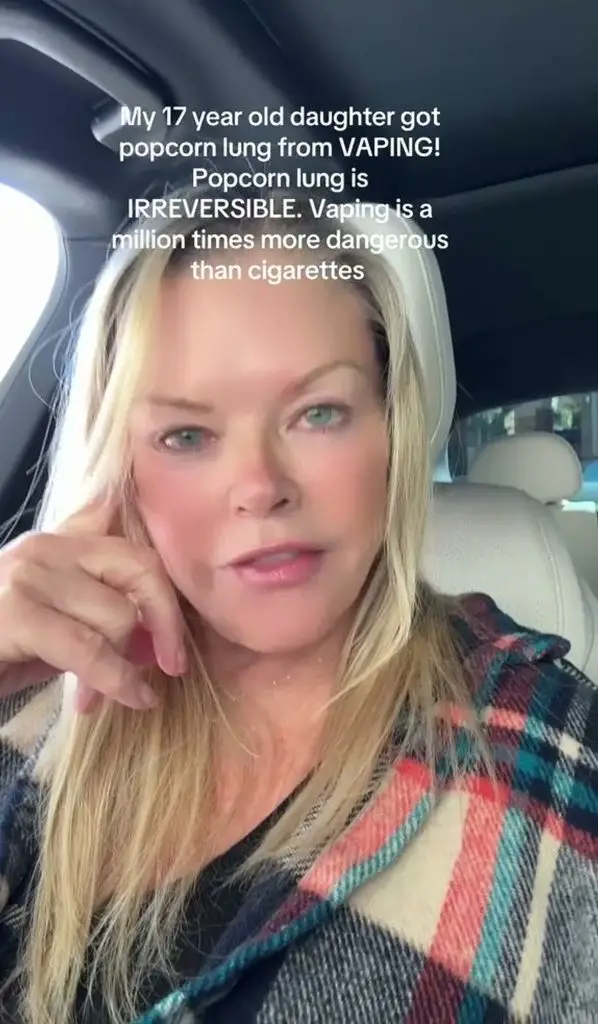
Now, Brianne’s mother, Christie Martin, is speaking out to prevent other families from experiencing this shock. She emphasizes the need for awareness and compassion, noting that parent-shaming only silences important conversations. Her message is that vaping risks are not fully understood, much like the dangers of smoking were once underestimated, and that protecting young people requires removing harmful flavoring agents from products they can access.

Health organizations echo this urgency. Studies confirm that diacetyl is prevalent in many vaping liquids, posing a direct inhalation risk. The American Lung Association and other experts stress that inhaling these chemicals can cause lasting damage, making vaping a significant public health concern, particularly for adolescents. Brianne’s story gives a face and a future to these warnings, illustrating that the threat of “popcorn lung” is not a historical footnote but a very present danger, hidden in the sweet-smelling vapor of an e-cigarette.