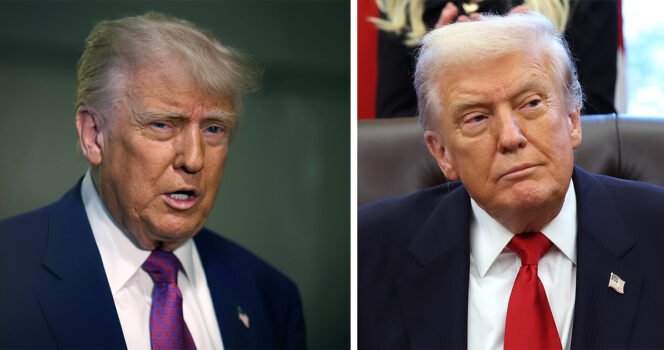
A new pledge from Donald Trump has set off a national conversation about government payouts and economic policy. Using his preferred social media platform, the former president declared his intention to provide a two-thousand-dollar dividend to nearly everyone in the United States, funded by what he describes as the tremendous success of his tariff initiatives. This bold promise, while politically eye-catching, immediately faces serious questions about its realism and execution in the practical world.
In his statement, Trump framed the United States as an economic powerhouse, citing low inflation and record stock market performance as evidence of his policies’ effectiveness. He asserted that tariff revenues are now measured in the trillions, a sum he claims is so substantial that it can finance direct payments to citizens while simultaneously reducing the country’s enormous debt. The message was clear: his strategic use of tariffs has created a financial windfall that can be shared with the American people.
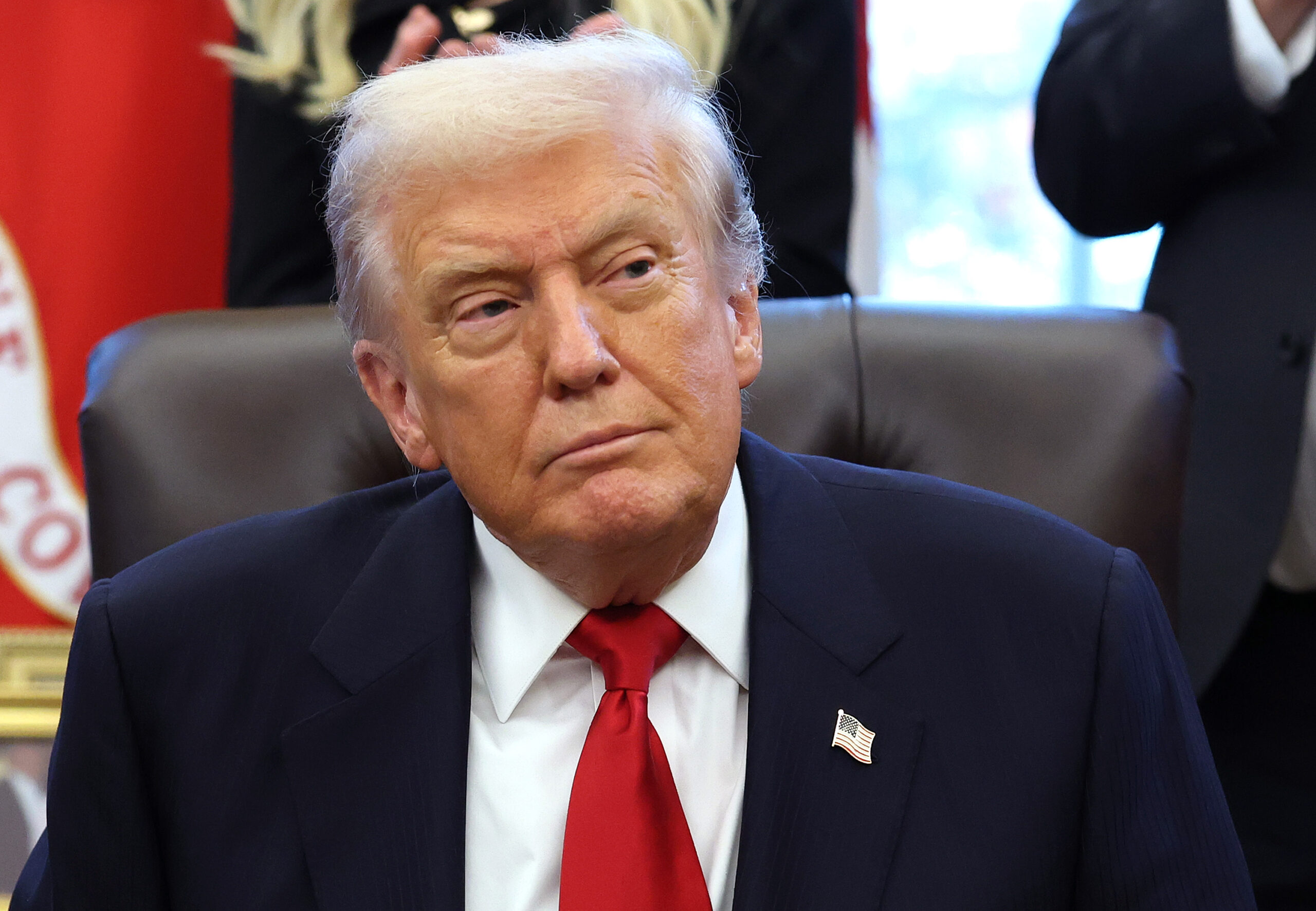
Despite the appealing nature of this proposal, economic experts have been quick to point out the significant gaps in its logic. The primary issue is a massive discrepancy between the projected cost of the dividend and the actual revenue collected. Estimates suggest funding the payout could require well over three hundred billion dollars, a figure that far exceeds the net revenue generated by the tariffs thus far. This simple math presents a fundamental problem for the plan’s viability.
Compounding the financial issue is an ongoing legal challenge that threatens the entire enterprise. The legality of the tariffs themselves is in question, with the Supreme Court poised to make a definitive ruling after several lower courts found them to be an illegal use of presidential power. The proposed dividend is entirely dependent on this contested revenue stream; if the tariffs are invalidated by the courts, the promise of a two-thousand-dollar payment vanishes with them.
For the average American, the key takeaway is to maintain a realistic perspective. The announcement lacks essential specifics, leaving the eligibility criteria and distribution timeline entirely unclear. While the notion of free money from the government is always attractive, this particular promise is built on a foundation of uncertain revenue and unresolved litigation. It may be wise to wait for more than a social media post and for the money to actually appear in bank accounts before making any plans for how to spend it.