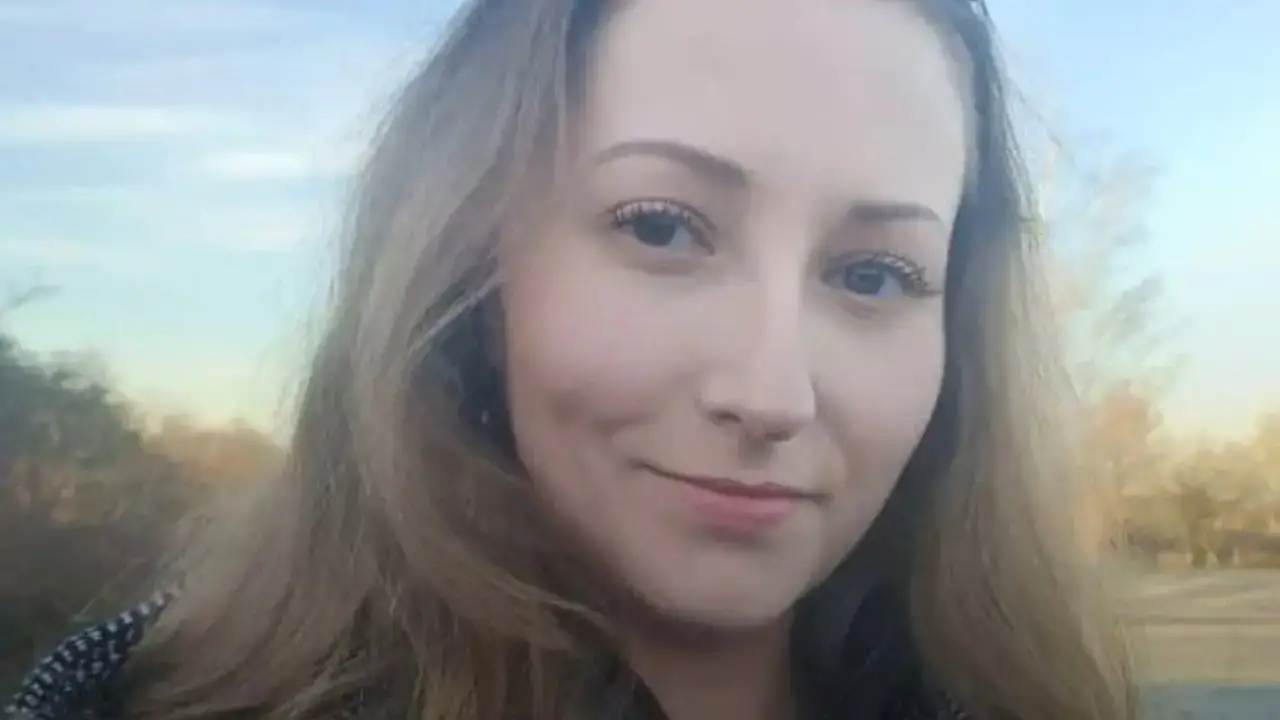
The Netherlands is known for its pragmatic and compassionate approach to end-of-life care. In a small village there, Zoraya ter Beek, a woman of 29 with no terminal physical illness, prepared for her own death. She was not surrounded by hospital equipment but by the familiar comforts of her own home. Her suffering was not something an X-ray could reveal. It was a constant, internal storm of autism, depression, and borderline personality disorder that had, after years of struggle, left her with one unwavering conviction: she could not go on.

Zoraya’s path to this decision was paved with years of therapeutic attempts and medical interventions. She had fought hard for a future, but the hope for one had slowly dimmed. The turning point came when the very professionals tasked with her care confirmed that they had reached the limit of their ability to help. The words from her psychiatrist, “There’s nothing more we can do,” were not a betrayal, but a validation of her own exhausting reality. With no prospect of improvement, she saw euthanasia not as a desire for death, but as the only remaining escape from unbearable psychological pain.

The legal landscape in the Netherlands made her choice a possibility. The country’s euthanasia law requires a meticulous review process to ensure the patient’s suffering is unbearable and hopeless, and that the request is voluntary and well-considered. While the law is most often associated with cancer and other physical ailments, its application to psychiatric suffering is its most controversial frontier. Zoraya was part of a quiet, growing statistic, a reflection of a society grappling with how to address mental anguish that is as severe and intractable as any physical disease.

In the face of such a profound decision, Zoraya focused on the details of a peaceful transition. She imagined her final moments on her sofa, with her doctor taking the time to settle her nerves. She rejected the grandiose notion of a “safe journey,” preferring to think of it as a “nice nap.” This was not a dramatic farewell but a deeply personal and controlled choice. She was honest about her fear of the unknown, yet she found more terror in the certainty of her continued suffering than in the mystery of what lay beyond.

The story of Zoraya ter Beek spread quickly, igniting a complex tapestry of responses. Some saw her as a hero for claiming autonomy over her own life and death. Others saw a tragic failure of a system that should never stop offering hope. Her narrative forces a uncomfortable but necessary conversation about the nature of suffering itself. It asks us whether we can truly understand another person’s pain, and whether the right to a dignified end should be reserved only for those whose illnesses we can see on a scan. Zoraya’s final choice remains a powerful, haunting plea for the recognition that some wounds are too deep to heal.