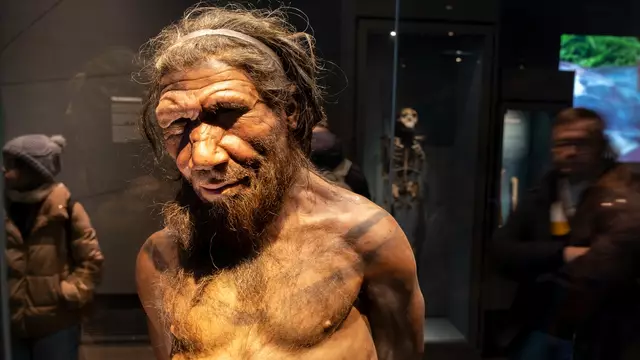
The image of the hulking, simple-minded Neanderthal has been stubbornly persistent in our culture, often portrayed as an evolutionary dead end that our brilliant ancestors outsmarted. This narrative of a separate and failed human species is now collapsing under the weight of scientific evidence. The truth, revealed by advances in genetics, is far more profound and personal. The Neanderthals never truly went extinct; their story did not end with a bang, but with a whisper that continues in the genetic makeup of most people on Earth today.
The pivotal clue emerged from laboratories sequencing ancient DNA. Scientists discovered that many modern humans carry traces of Neanderthal ancestry. This finding fundamentally altered the conversation about human history. It proved that when Homo Sapiens migrated out of Africa and encountered Neanderthals in Eurasia, the interaction was not solely defined by competition. There was also cooperation, cohabitation, and procreation. These encounters were intimate enough to leave a permanent mark on our genome, suggesting a complex relationship that spanned millennia.
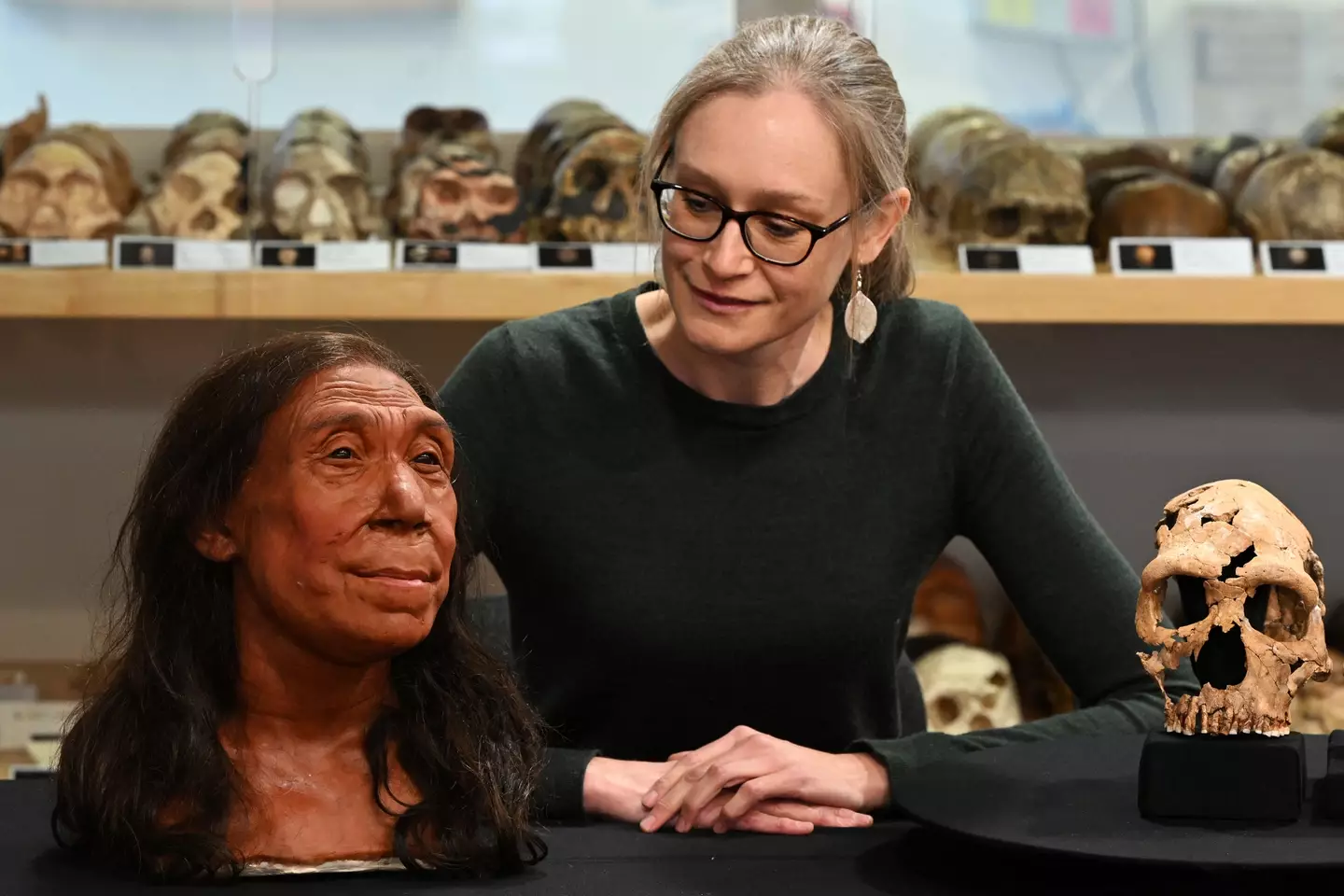
A groundbreaking mathematical model, detailed in a recent issue of Nature, offers a compelling explanation for how the distinct Neanderthal population faded from view. The research indicates that through repeated interbreeding with the expanding Homo Sapiens population, the Neanderthal genetic identity was gradually absorbed. Think of it as a slow-motion merger rather than a hostile takeover. The model demonstrates that even with low rates of interbreeding, the larger and more connected Homo Sapiens groups would, over time, genetically subsume the smaller, more isolated Neanderthal communities.
This process of assimilation was likely the dominant force behind the Neanderthals’ disappearance as a separate physical group. It does not preclude other struggles, such as adapting to a changing climate, but it provides a peaceful and continuous narrative that fits the genetic evidence. Some Neanderthal genes may have even provided a survival advantage, helping our ancestors thrive in new environments, which would have encouraged their spread throughout the subsequent human population.
.jpg)
This new perspective invites us to see human evolution not as a simple family tree with a single trunk, but as a tangled and interwoven vine. The Neanderthals were not our losers; they were our partners. They contributed to who we are today. The next time you look in the mirror, consider that you might be seeing a faint echo of a long-lost cousin. The heavy-browed Neanderthal may be gone as a separate species, but a part of them endures, a living fossil carried within the DNA of billions, ensuring they are anything but extinct.