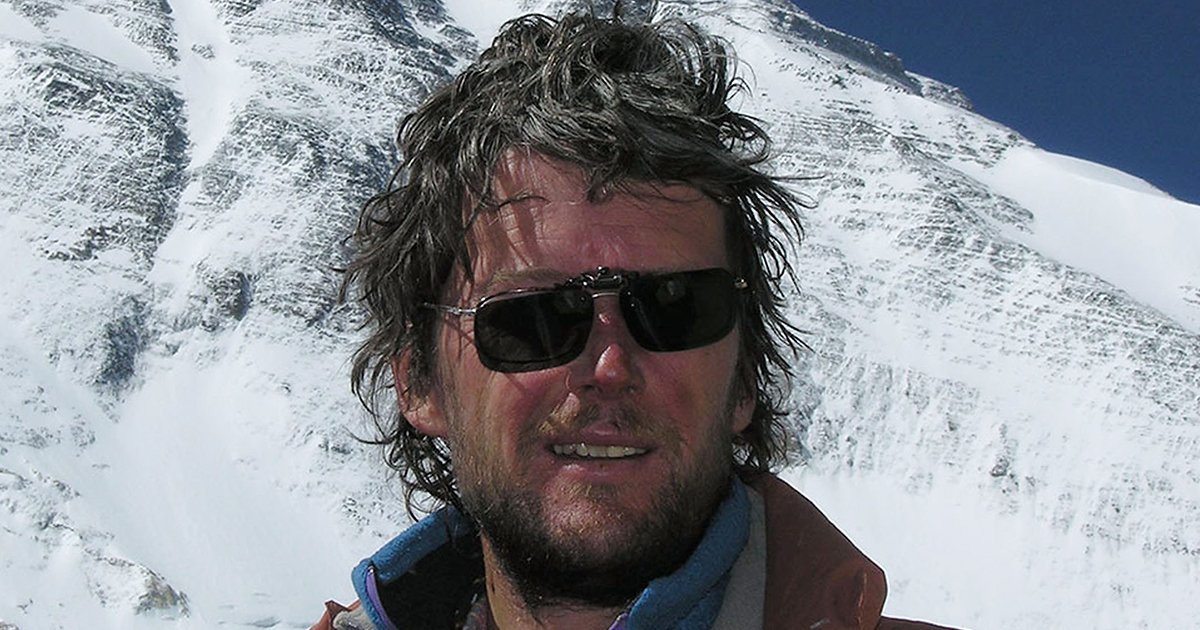
Some stories are so extraordinary they change our understanding of what is humanly possible. The tale of Lincoln Hall is one of those stories. It is a narrative that unfolds on the rooftop of the world, where the rules of life are rewritten by thin air and extreme cold. In 2006, Hall experienced every climber’s worst nightmare high on the slopes of Mount Everest, only to live through a miracle that continues to echo through the mountaineering community. His journey is a gripping saga of tragedy, hope, and the selfless courage of others.
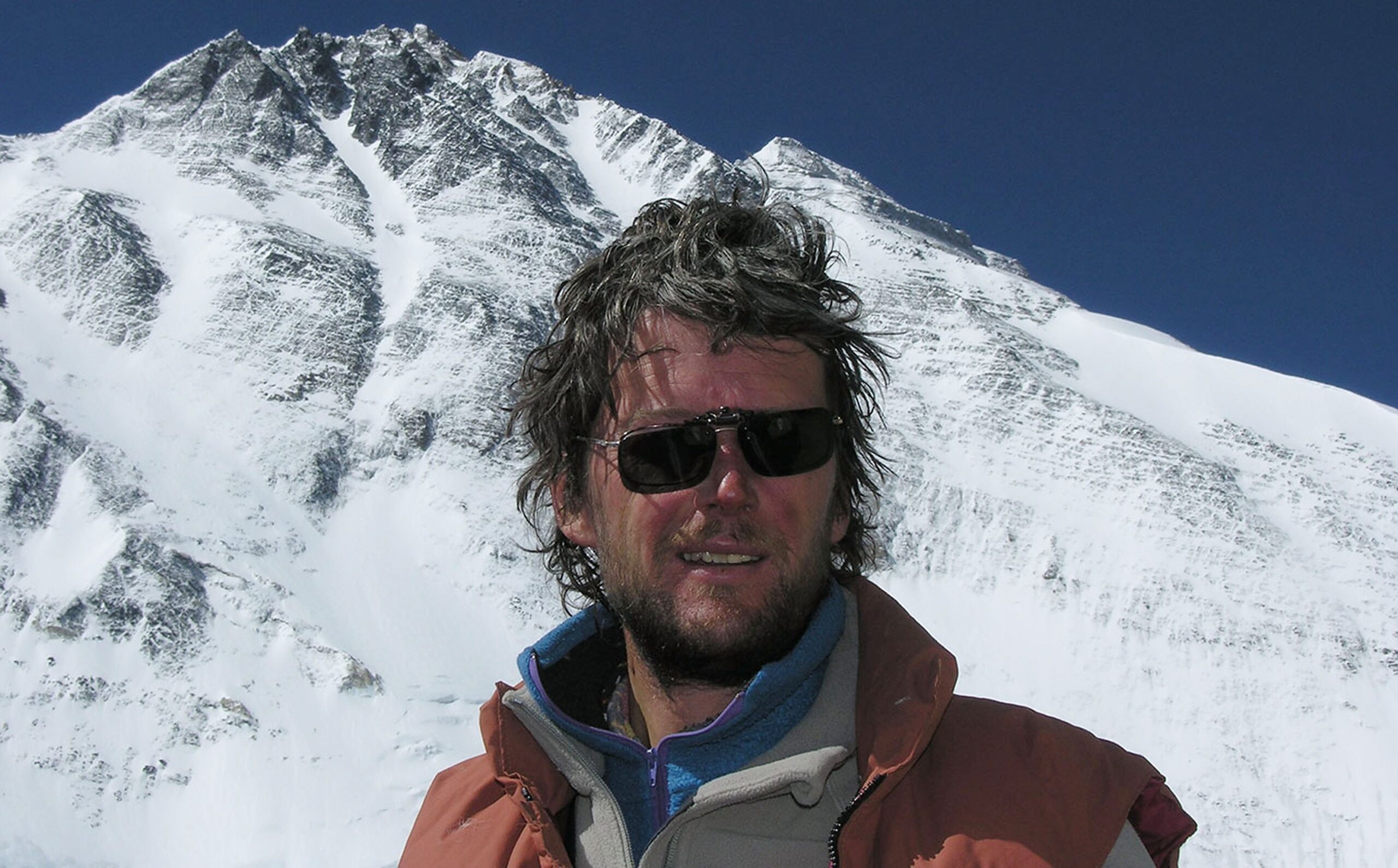
The dream turned into a crisis near the summit. After a grueling ascent, Hall was struck by a sudden and severe altitude sickness that caused his brain to swell, a condition known as cerebral edema. His condition deteriorated rapidly, and despite the desperate efforts of his team, he was declared dead as night enveloped the mountain. In a heartbreaking and practical decision, his guides were forced to leave his body behind and descend. News of the tragedy reached his family, who began to mourn their loss, believing his story had reached its end.
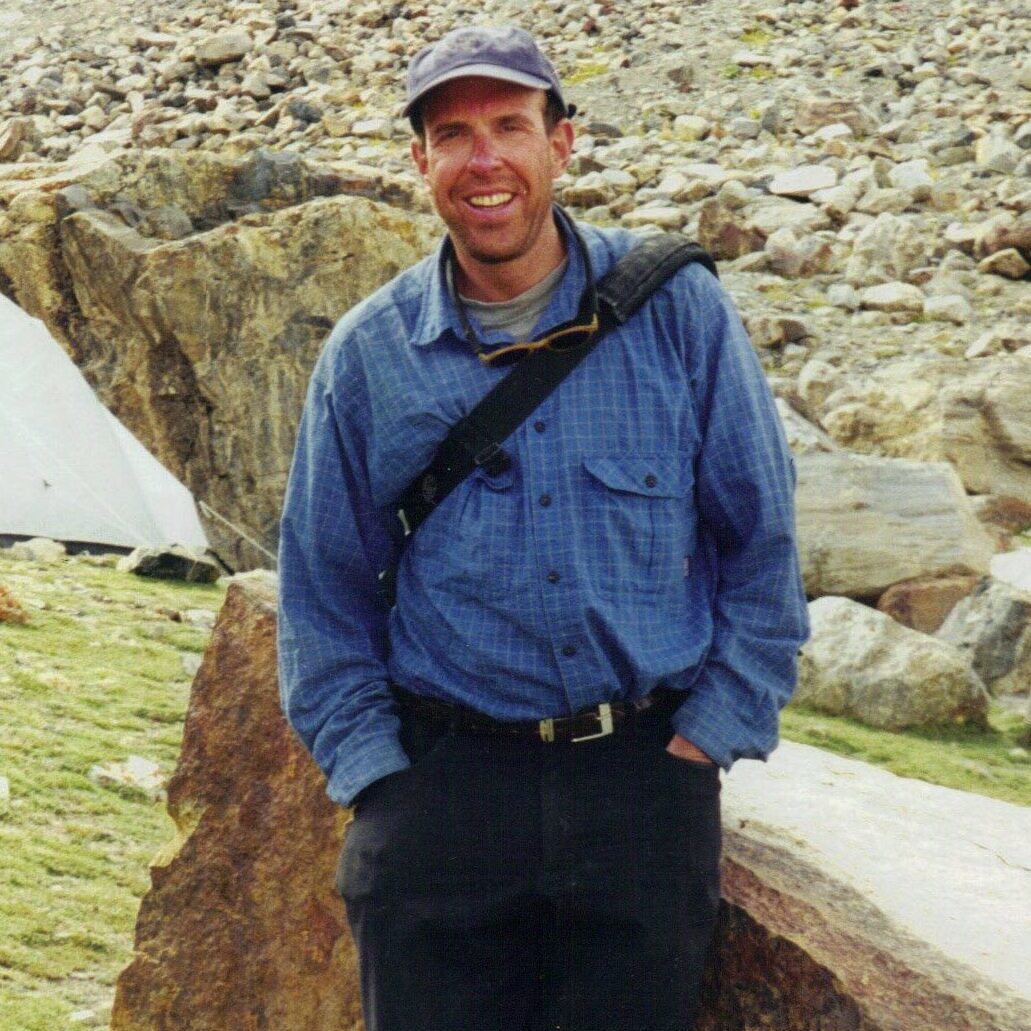
But Lincoln Hall’s story was far from over. He spent a solitary night on the mountain, exposed to the brutal elements at an altitude where few can survive even with full support. Stripped of his vital equipment by those who believed he was gone, he battled unimaginable cold and hypoxia. By some incredible twist of fate, he was still alive the next morning, though his mind was adrift in delirium. It was then that a team of climbers, including the American Dan Mazur, stumbled upon the impossible—a man they had been told was dead, sitting on a ridge and conversing with imaginary companions.
Confronted with this shocking scene, Mazur and his team did not hesitate. They immediately gave up their own summit ambition, an immense personal sacrifice after years of preparation and effort. They chose to focus all their energy on saving a life, sharing their precious resources and warmth with the disoriented Hall. Their actions on that exposed ridge represent one of the most profound examples of ethics in the high-altitude world, a powerful reminder that some things are more important than standing on top of a mountain.
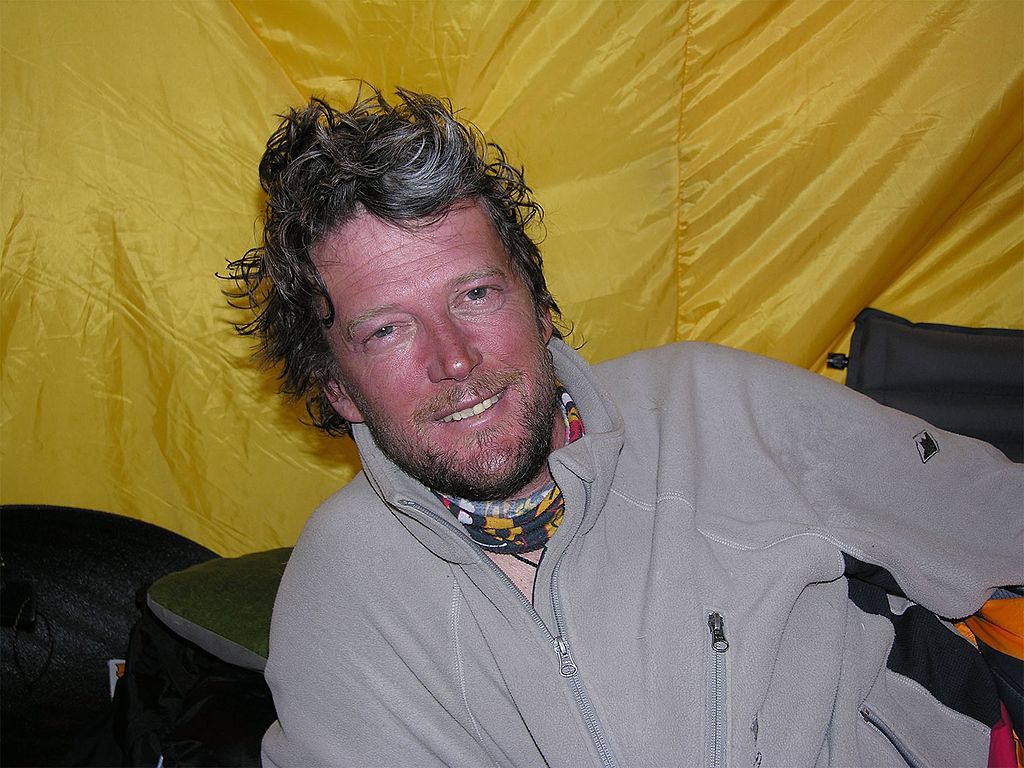
Lincoln Hall was eventually brought down to safety, where he faced a long recovery from frostbite and the physical trauma of his ordeal. He never blamed his original team for the impossible decision they faced, and he used his second chance at life to inspire others through his writing and speaking. The rescue team was hailed for their heroism, having proven that even in the most desperate circumstances, compassion can prevail. Hall’s miraculous survival stands as an enduring beacon of hope and a testament to the unyielding will to live.