New York City, a historic melting pot of cultures and backgrounds, is on the verge of a milestone moment. Today’s mayoral election could see the city elect Zohran Mamdani as its first-ever Muslim mayor. At 34 years old, the democratic socialist is the frontrunner in a race that has captivated the city and sparked a national conversation about identity, representation, and the future of urban policy in America. The potential for this historic first adds a profound layer of significance to the electoral process.
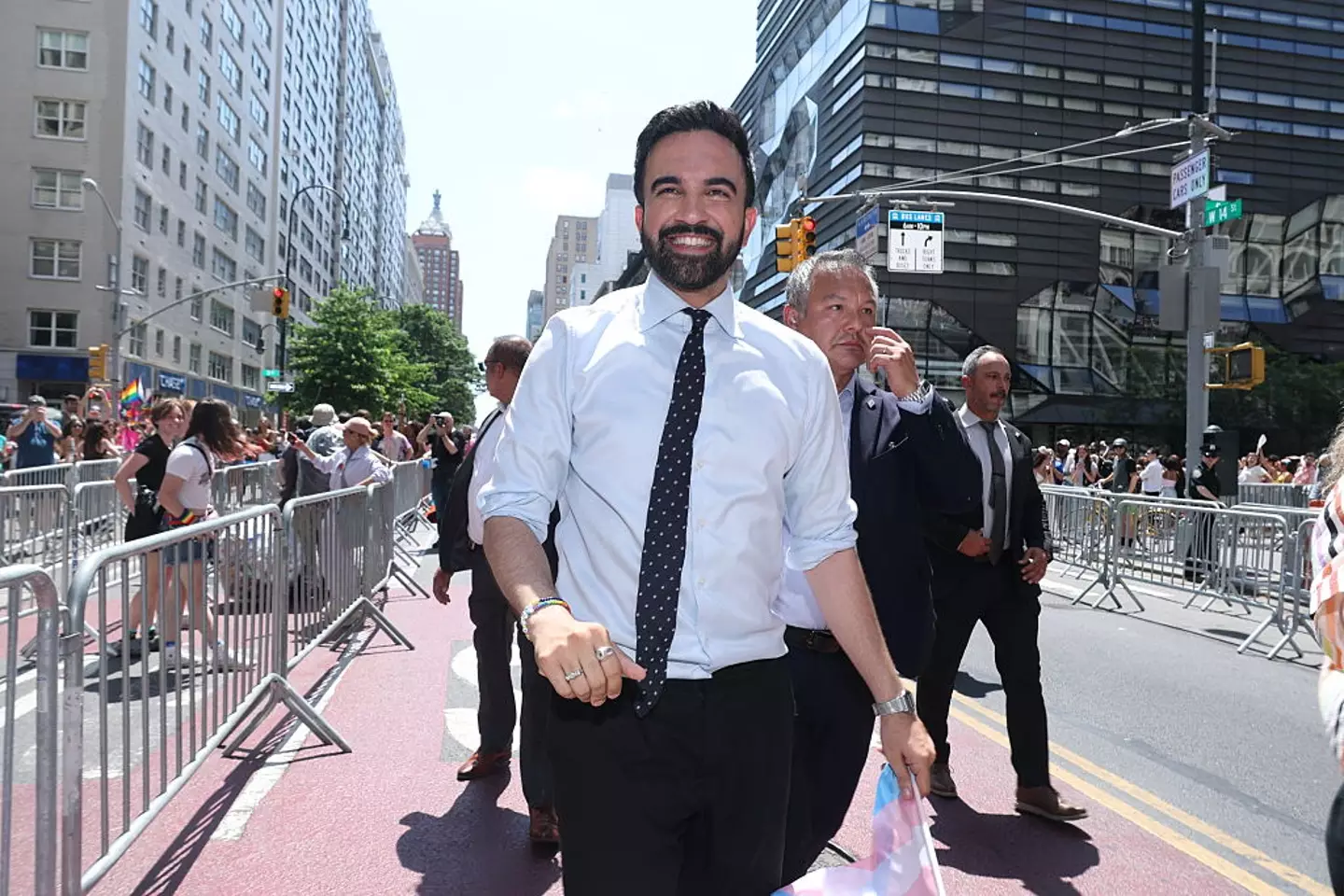
Mamdani’s candidacy represents a departure from the political establishment. His policy platform is unapologetically progressive, focusing on addressing the city’s stark economic inequality. He has championed the cause of raising taxes on the ultra-wealthy, a massive expansion of affordable housing, and protecting tenants through rent freezes. For many young voters and communities feeling left behind by the city’s rapid gentrification, his message offers a radical and hopeful vision for a more equitable New York.
.jpg)
The race has not been without controversy, much of it stemming from the national stage. Former President Donald Trump inserted himself into the conversation with a series of pointed attacks directed at Mamdani. In an interview, he dismissed the candidate as a “communist” and later made a personal remark about their comparative appearances. These comments, widely criticized as delusional and inflammatory, have highlighted the divisive national rhetoric that often surrounds progressive candidates of color.
Despite the external noise, the focus for many New Yorkers remains on the symbolic power of this election. The prospect of a Mamdani victory is seen by his supporters as a long-overdue step toward a government that truly reflects the diversity of the city itself. It signals a potential shift in who holds power and what priorities are centered in City Hall, moving beyond traditional political lineages toward a more inclusive and representative model of leadership.
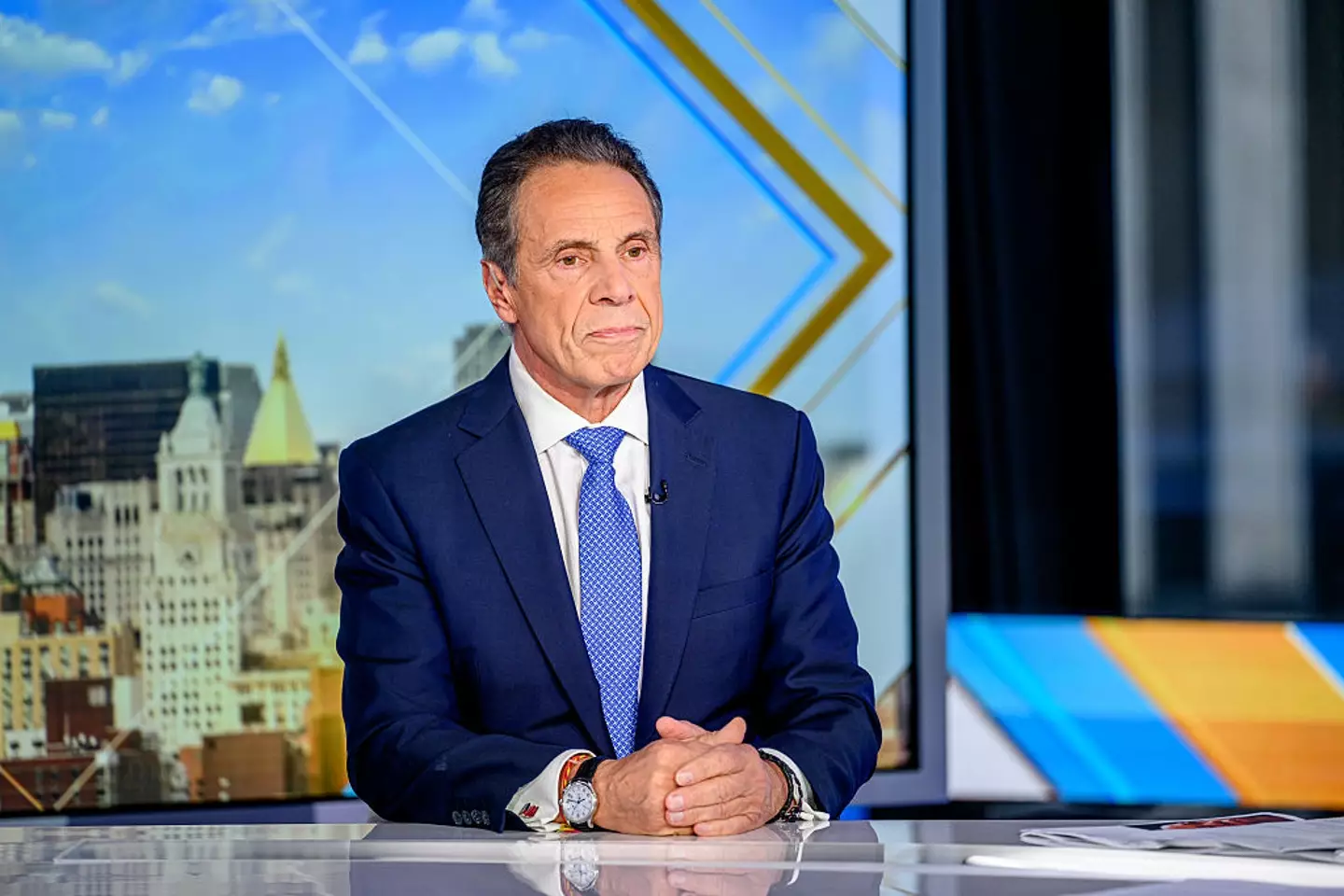
As the polls close across the five boroughs, the city holds its breath. The announcement of the winner, expected shortly after 9 p.m. ET, will not only decide the city’s chief executive but will also mark a defining moment in its cultural history. Whether New Yorkers choose Mamdani’s transformative vision or opt for the experience of Andrew Cuomo, the outcome will be interpreted as a statement about the kind of city New York aspires to be in the 21st century.