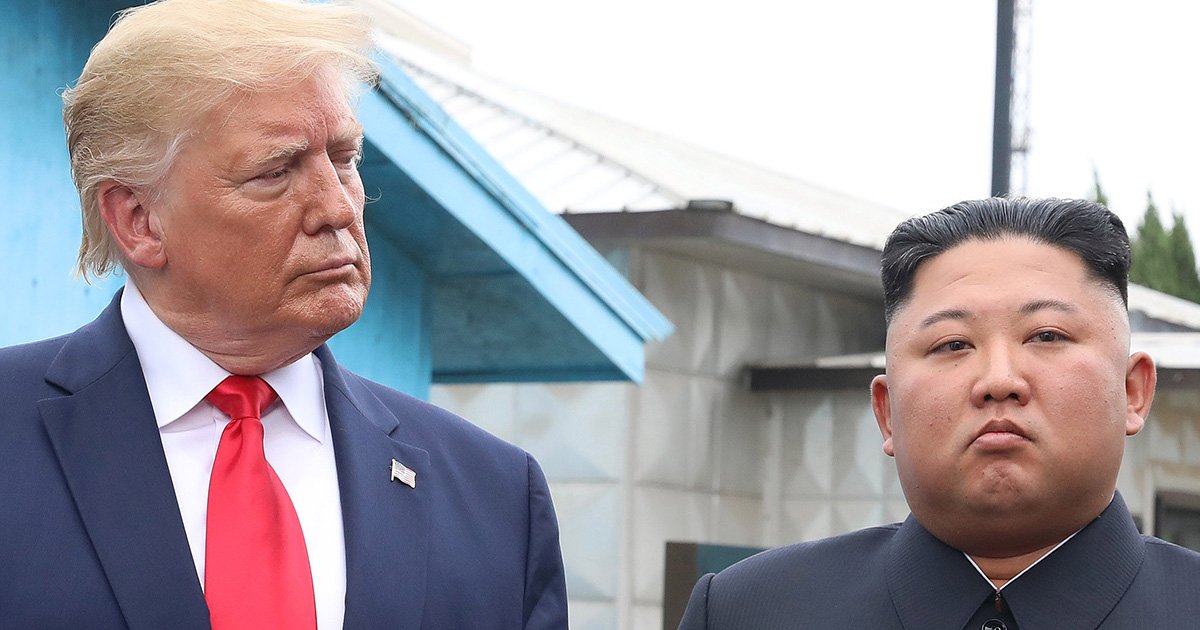
The chapter of international diplomacy that once featured former President Donald Trump and North Korea’s Kim Jong Un exchanging compliments and historic handshakes appears to have closed. During his recent trip to Asia, Trump made a very public attempt to reopen it, expressing his affection for the North Korean leader and openly inviting a meeting while he was in South Korea. This gesture, however, was met with a response that was both silent and loud, revealing a relationship that has cooled significantly since its peak.
Trump’s approach was characteristically direct and media-savvy. He used his platform aboard Air Force One to send a personal message, recalling their good relationship and stating his love to meet again. He even grinned as he tasked the press pool with spreading the word, demonstrating a belief that their unique personal dynamic could once again transcend complex political hurdles. This strategy had worked before, leading to their iconic meeting at the DMZ, which was watched around the world.
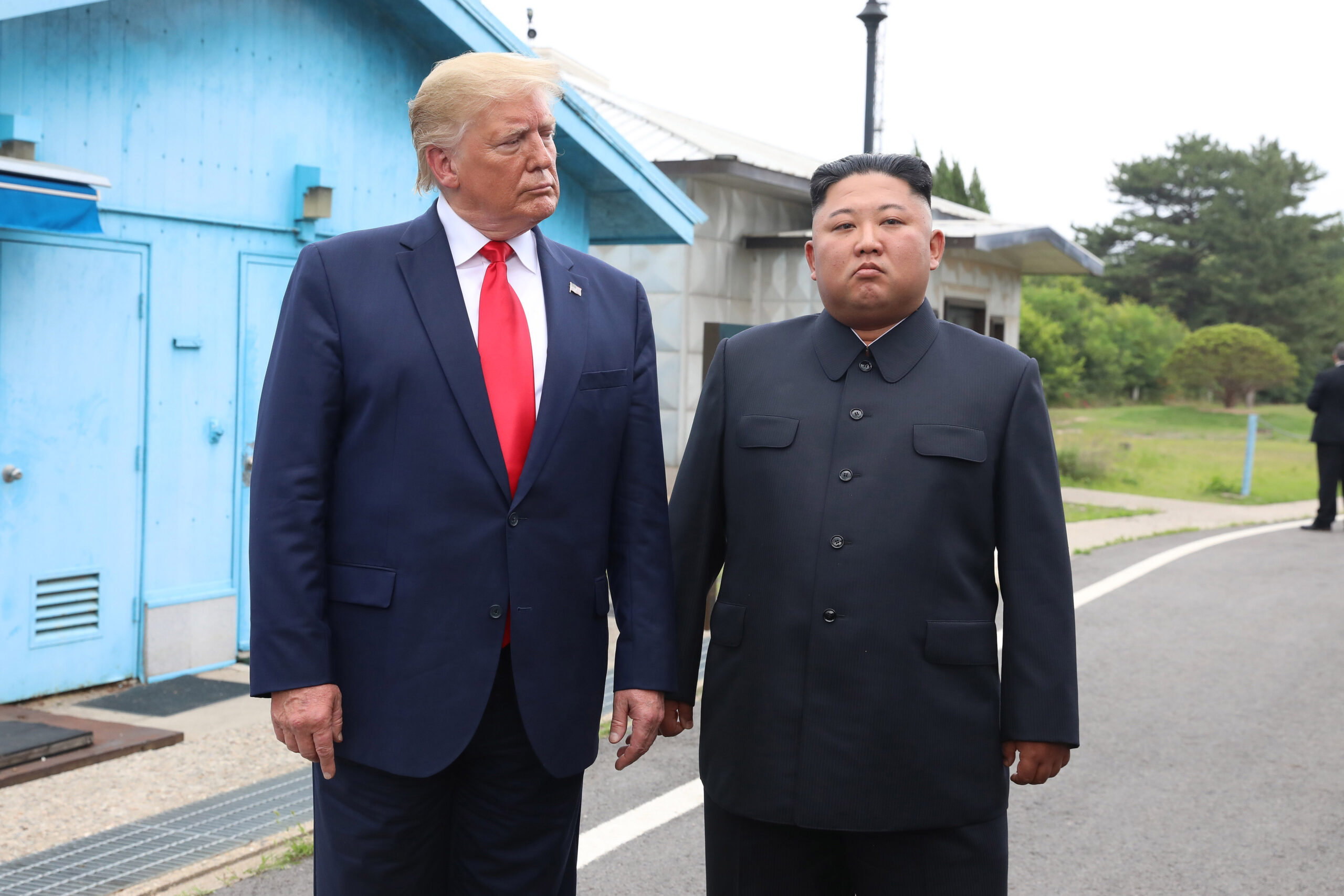
But the man on the other side of the border had moved on. Kim Jong Un’s response, delivered through official state media before Trump’s arrival, was polite but firm. He spoke of “fond memories” but immediately followed with a list of non-negotiable conditions. By demanding the U.S. abandon its core goal of denuclearization, Kim effectively turned down the invitation without ever having to explicitly say “no,” a shrewd diplomatic move that placed the onus for the failed meeting on Washington’s policies.
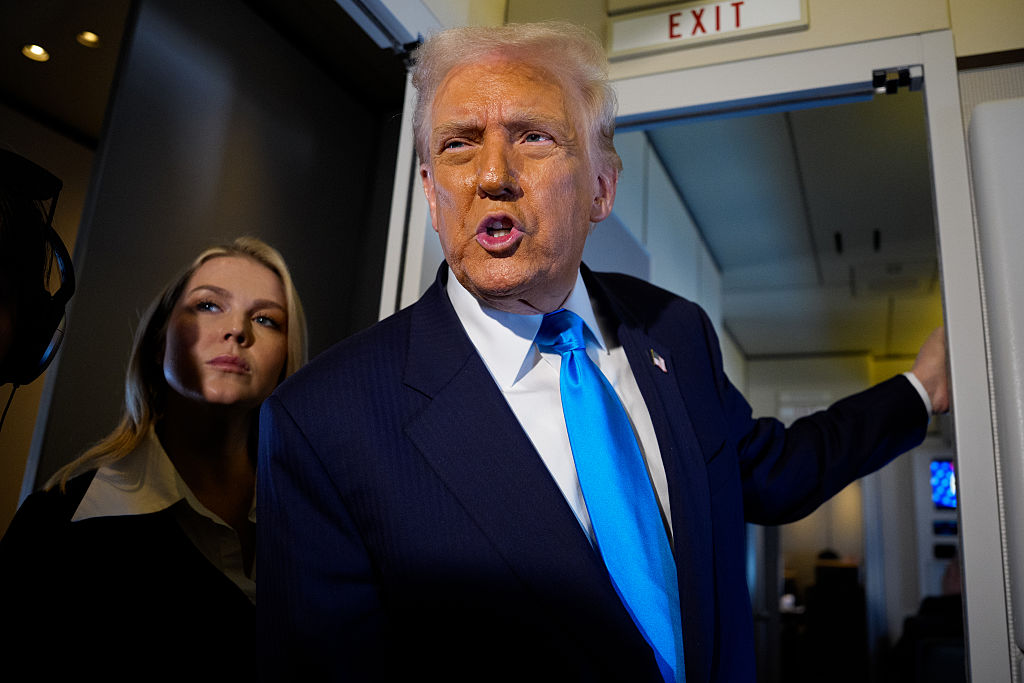
The message was reinforced not with words, but with action. The test-firing of cruise missiles as Trump traveled to the region was a deliberate and provocative act. It served as a stark reminder of the ongoing tensions and a clear signal that Pyongyang was not in the mood for a friendly reunion, especially one that did not come with pre-approved concessions on sanctions or security.
The outcome was a diplomatic anticlimax. Trump confirmed no meeting would take place, and the much-hyped potential reunion fizzled. The situation illustrates a simple truth in international relations: while personal chemistry can create dramatic moments, it is often insufficient to sustain a dialogue when fundamental interests clash. The brief and unusual friendship between the two leaders seems to have run its course, leaving the future of U.S.-North Korea relations as uncertain as ever.