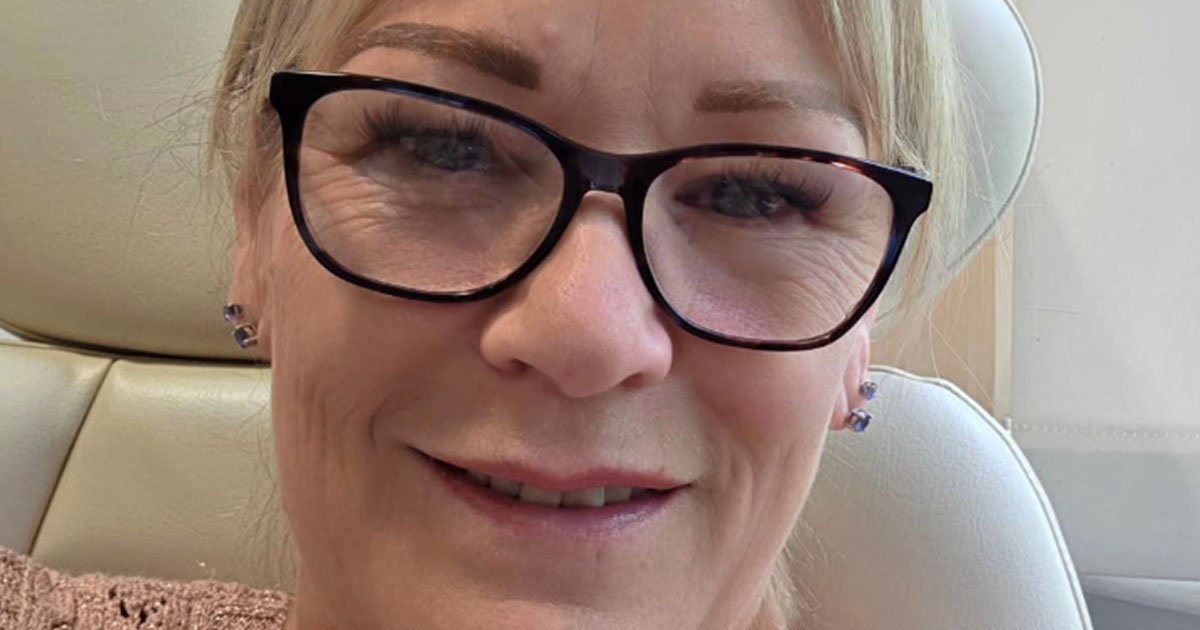
Paula Hudgell’s life has been defined by using her voice for those who cannot speak for themselves. After adopting her son Tony, who was a victim of severe abuse, she became a national advocate for child welfare. Now, she is using that same powerful voice in a deeply personal battle, sharing her story of being dismissed by doctors 14 times before being diagnosed with terminal bowel cancer. Her experience is a rallying cry for women to trust their guts and champion their own health.
View this post on Instagram
A post shared by Paula Hudgell OBE & Tony Hudgell BEM (@tonyhudgell.bem)
For four years, Paula navigated a confusing landscape of symptoms and medical gaslighting. Her reports of digestive trouble were consistently met with a quick IBS diagnosis. The cyclical nature of her symptoms—flaring up and then settling down—made it easy for others to dismiss her and for her to doubt herself. This is a familiar story for many women, whose health concerns are often not taken as seriously as men’s, leading to critical delays in diagnosis for conditions like heart disease and cancer.
The breakthrough came not from a doctor’s office, but from within. Paula describes a moment of profound clarity, feeling as if her late mother was urging her to act. Coupled with the information she gained from bowel cancer awareness ads, this intuition gave her the tools and the tenacity to change her approach. She contacted her doctor with an unshakeable demand for testing, embodying the assertiveness that women are sometimes discouraged from showing.
View this post on Instagram
A post shared by Paula Hudgell OBE & Tony Hudgell BEM (@tonyhudgell.bem)
The test results confirmed her long-held suspicions, but the cancer was already at stage 4. Now facing a terminal diagnosis, Paula’s fight has transformed. It is no longer just about survival, but about quality of life and precious time with her family. She is considering an incredibly invasive surgery, a testament to her unwavering will to live and her devotion to her children.
Paula Hudgell’s story is more than a health warning; it is an empowerment lesson. She exemplifies the critical need for women to persist in the face of dismissal and to treat their own health with the same urgency and conviction they would offer a loved one. Her legacy is a powerful message: your instinct is your most valuable diagnostic tool. Do not let anyone silence it.