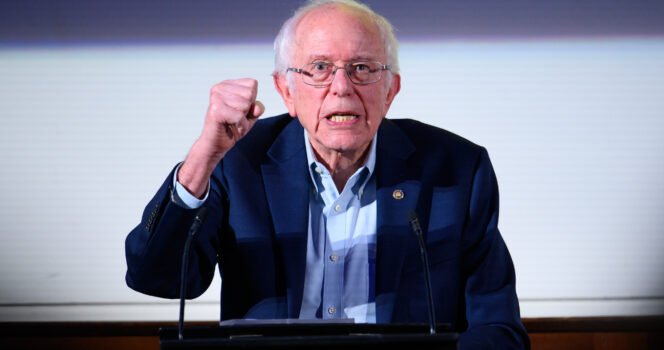
In an unprecedented blurring of lines between personal business and public service, President Donald Trump has amassed a fortune through legal settlements during his time in office. While he proudly refuses his $400,000 presidential salary, his earnings from lawsuits against corporations like Meta, YouTube, and CBS dwarf that figure many times over. This phenomenon has ignited a fierce debate, with Senator Bernie Sanders leading the charge by labeling the arrangement a “kleptocracy” and exposing the eye-popping totals involved.
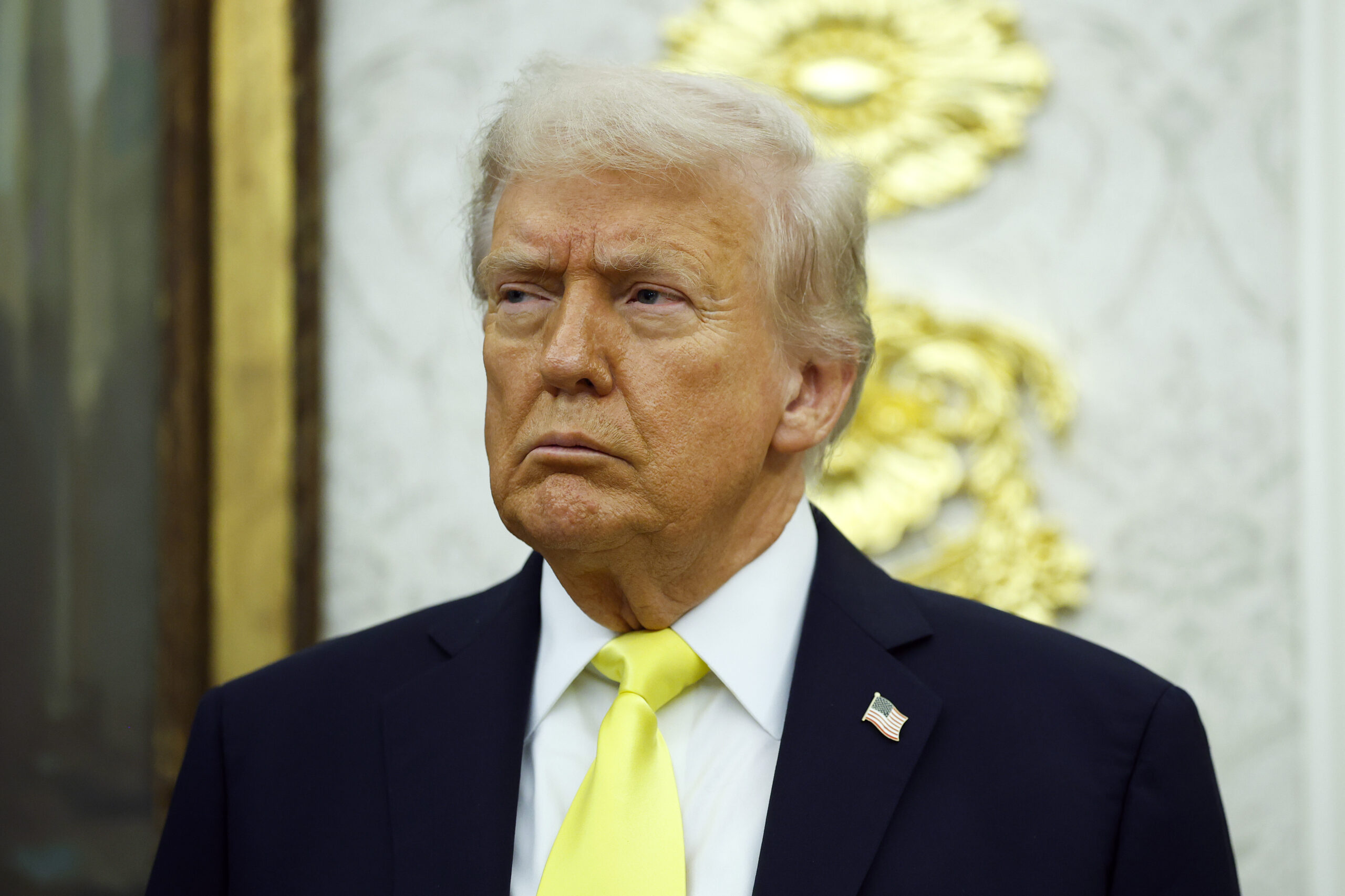
The sequence of settlements reads like a corporate hit list. It began with a $25 million agreement from Meta, followed closely by a $24.5 million payout from YouTube. Both stemmed from lawsuits over account suspensions. The platform X settled for $10 million, and traditional media giant Paramount paid $16 million after a dispute over a CBS interview. Senator Sanders amplified these figures on social media, suggesting the CBS-related total was actually $36 million when future advertising commitments were included, showcasing a complex web of financial gains.
Bernie Sanders’ critique went beyond simply listing the settlements. He framed them as part of a larger pattern of immense financial inflows, including billions from crypto and hundreds of millions from law firms. The most startling entry on his list was a potential $230 million settlement currently being sought from the Department of Justice. The notion that a president could sue a department within his own administration for compensation has sent shockwaves through political and legal circles, challenging foundational principles of governance.
This is what kleptocracy looks like.
In 2025, Donald Trump has received:
$3 billion: mostly from crypto
$940 million: law firms
$400 million plane: Qatar
$36 million: CBS
$25 million: Meta
$24 million: YouTube
$16 million: ABC
$10 million: XNow $230 million from DOJ?
— Bernie Sanders (@BernieSanders) October 22, 2025
President Trump’s response to the controversy has been to downplay the monetary aspect. He has claimed a lack of detailed knowledge about the figures and suggested that any money received from the DOJ would be given to charity. However, this has done little to assuage critics who see a deep-seated conflict of interest. The concern is that the power and influence of the presidency could be used to pressure entities, both private and governmental, into lucrative settlements they might not otherwise agree to.
The core of the issue lies in the perception of the office. Is it appropriate for a sitting president to engage in profit-seeking litigation? Supporters may see it as a rightful defense against powerful corporations, while detractors view it as a dangerous monetization of the highest office in the land. As these settlements continue to mount, they are reshaping the public’s understanding of the presidency, turning the Oval Office into a new frontier for financial gain and raising profound questions about where the line should be drawn.