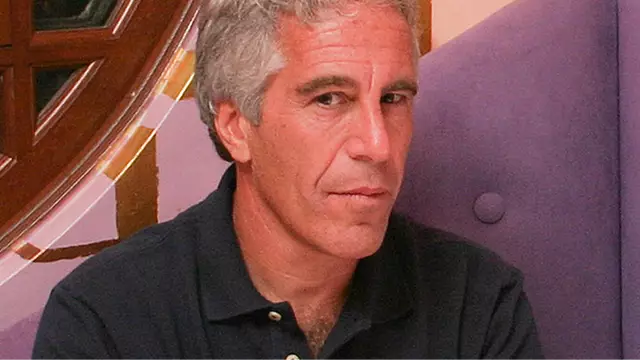
The latest document release in the long-running Jeffrey Epstein case provides two key pieces of information: new names in the flight logs and a detailed defense of the controversial plea deal that allowed Epstein to avoid federal prosecution a decade before his death. The House Oversight Committee’s files reveal that Walter Cronkite, the iconic news anchor, was a passenger on Epstein’s jet in 2007, traveling to the US Virgin Islands near Epstein’s private estate.
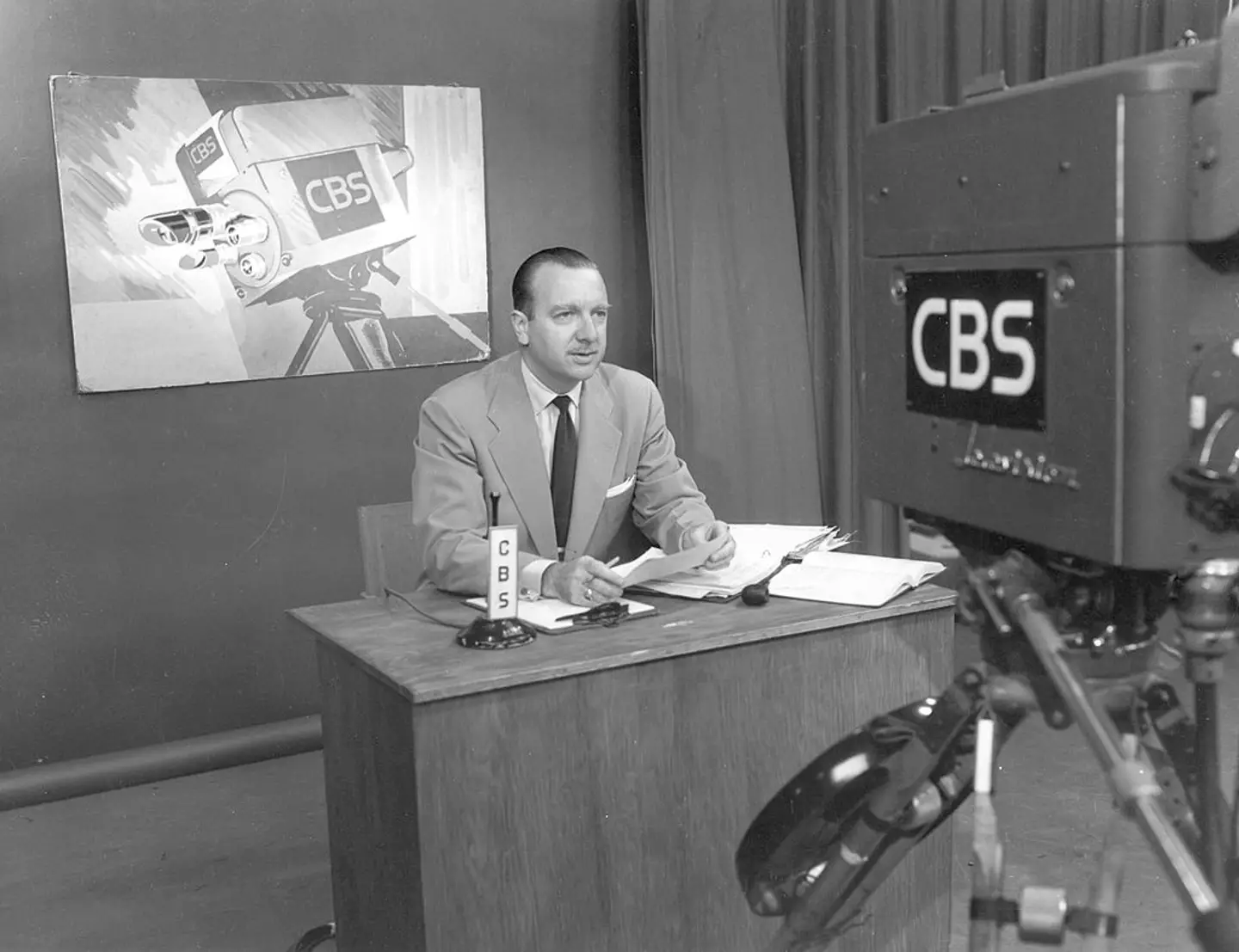
The inclusion of Cronkite’s name, while notable due to his stature, is a reminder of a critical legal distinction: presence on a flight log is evidence of association, not culpability. The logs, which span from the 1990s to 2019, list hundreds of names, including politicians, royalty, and business leaders. As General Attorney Pam Bondi has stated, there is no evidence of a “client list” for criminal activity, and the logs alone do not implicate passengers in Epstein’s crimes.
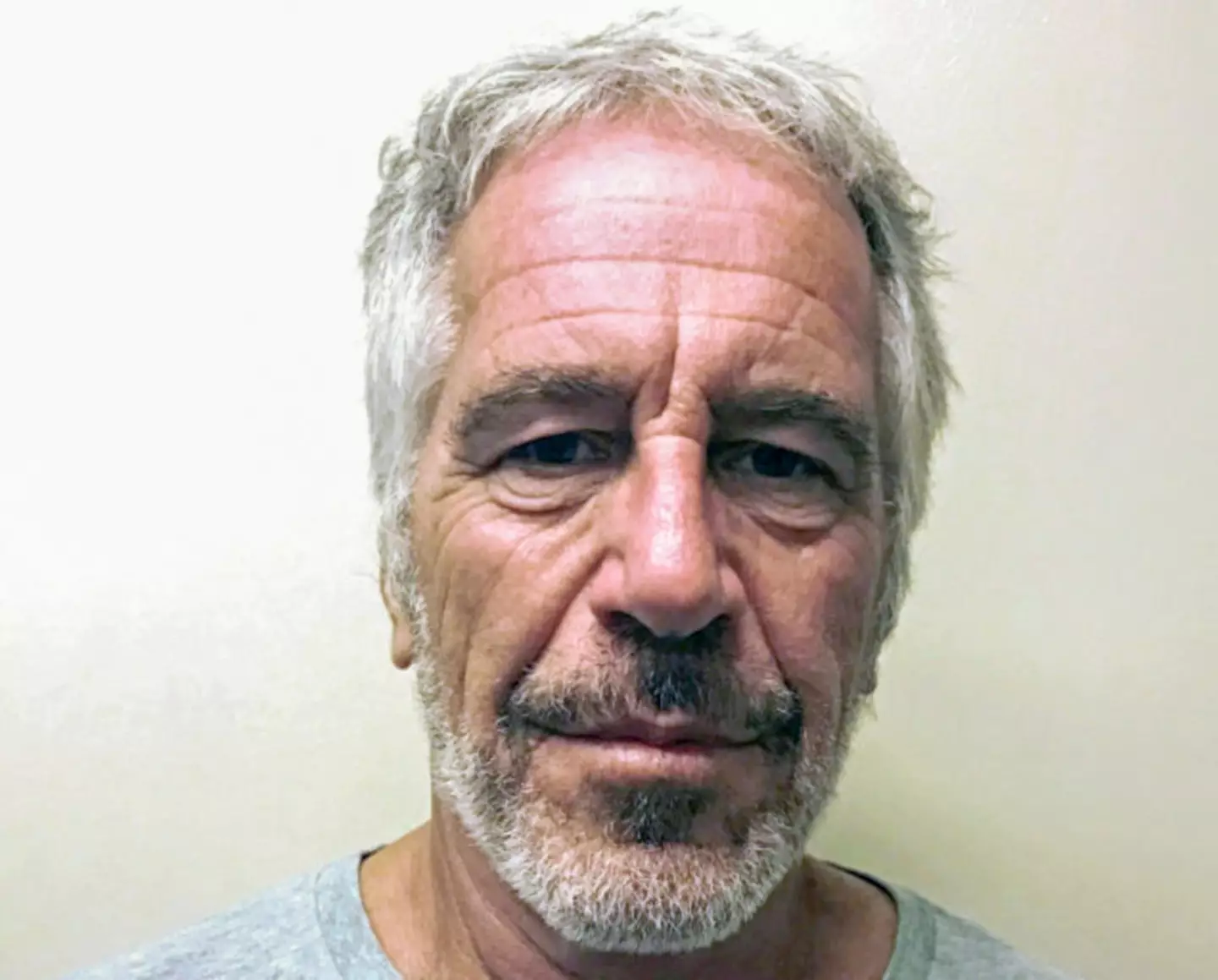
Perhaps the more legally significant part of this document release is the transcript of the committee’s interview with former US attorney Alex Acosta. Acosta was the prosecutor who oversaw the 2008 non-prosecution agreement with Epstein. In his testimony, Acosta offered a robust defense of his decision, outlining the significant challenges his office faced at the time. He cited “evidentiary issues with the victims,” including witnesses who refused to testify or had “changing stories.”
Acosta argued that given the legal landscape and the evidence available in 2008, the plea deal was a calculated risk to ensure a conviction. He stated that the judgment was “that it was better to have a billionaire serve time in jail, register as a sex offender and pay his victims restitution than risk a trial with a reduced likelihood of success.” This testimony provides crucial insight into the prosecutorial reasoning that has been widely criticized in the years since Epstein’s crimes gained greater notoriety.
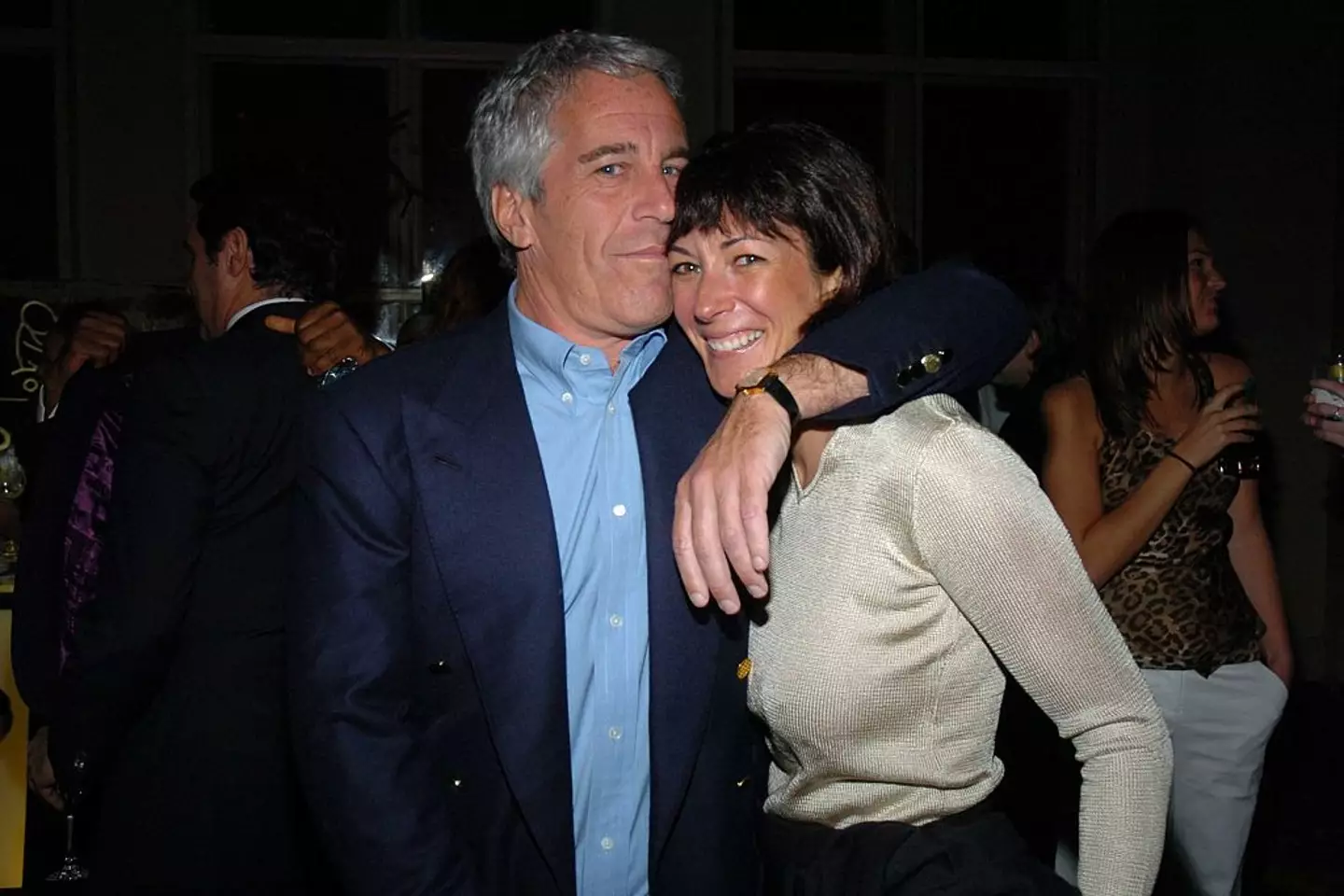
The simultaneous release of the flight logs and Acosta’s testimony creates a complex picture. On one hand, it reveals the extensive social network Epstein used to bolster his reputation. On the other, it delves into the legal maneuvering that allowed him to escape full accountability for years. As the estate of Walter Cronkite and other named individuals may face questions, the legal community continues to analyze the profound failures in the initial prosecution of Jeffrey Epstein.