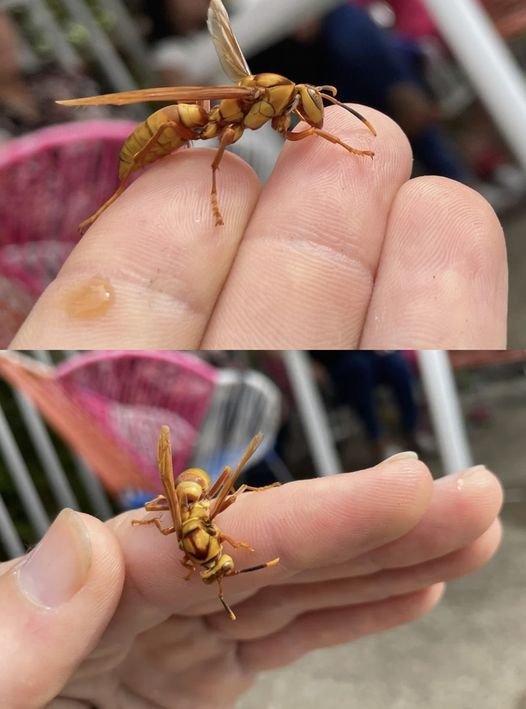
Wasps are one of those insects that can make anyone uneasy, especially if you’re afraid of stings. Unlike bees, wasps don’t lose their stingers and can sting repeatedly. Their sting hurts fast and causes swelling and redness. For most, it’s painful but manageable. However, if you have allergies, a wasp sting can become life-threatening, so watch for serious symptoms like trouble breathing or swelling of the throat.
If you get stung, don’t panic. Move away slowly from the area to avoid more stings. If you see a stinger left behind, don’t pull it out with tweezers because that can release more venom. Instead, scrape it gently off with a fingernail or a card. Clean the sting with soap and water, then apply a cold pack wrapped in cloth to ease the pain and swelling. You can take pain relievers or antihistamines if needed, but always follow the label directions.
Be alert to any worsening symptoms and seek emergency help if you feel dizzy, have difficulty breathing, or notice rapid heartbeat. To prevent stings, avoid wearing bright colors or strong scents outdoors, keep food covered, and seal trash cans. If you spot a wasp nest, don’t try to remove it yourself—call a professional.
Wasps may be scary, but understanding how to respond to their sting helps you stay safe and calm. They’re important for nature, so it’s best to respect them while keeping a safe distance.