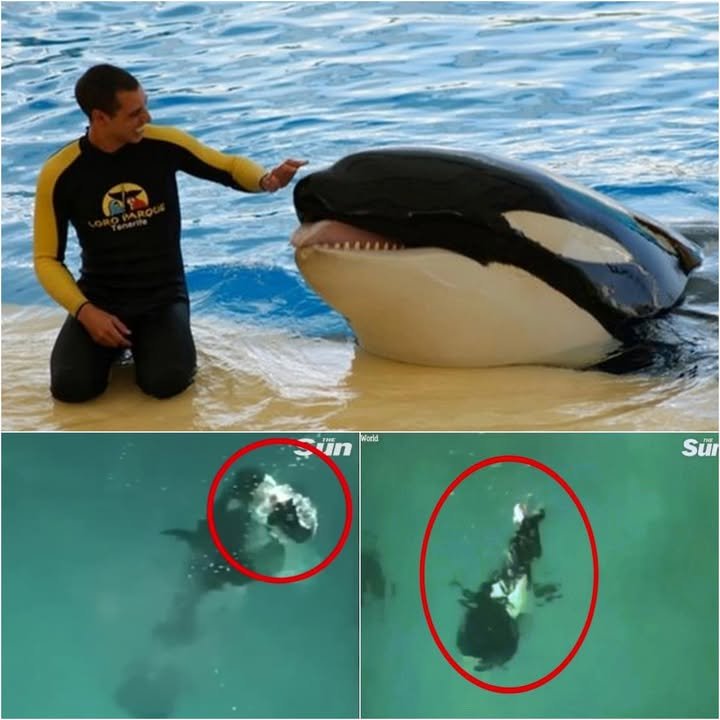
The fatal incidents involving orca trainers Alexis Martínez and Dawn Brancheau revealed the harsh realities of keeping killer whales in captivity for entertainment.
Keto, a captive-born orca at Loro Parque, attacked Martínez in 2009 during a Christmas show rehearsal, causing severe injuries that led to his death.
In 2010, Tilikum, held for decades at SeaWorld, killed senior trainer Brancheau during a performance, shocking audiences.
Both orcas led lives numerically and emotionally distant from their wild relatives, confined in tanks and deprived of natural behaviors—factors experts believe contributed to their aggression.
The documentary Blackfish brought these issues to light, spurring public debate on the ethics of orca captivity.
Trainers remain vulnerable despite their training and affection for the whales, as these powerful animals retain predatory instincts.
SeaWorld phased out orca shows and breeding programs in the aftermath, but captive orcas remain, while Loro Parque faces calls for retirement of their orcas to sanctuaries.
These tragedies underscore the potential consequences of prioritizing entertainment over welfare and safety.